
What Even Is a Microschool?
Your student just spent 45 minutes sitting in the third row of a classroom with 52 other kids, and the teacher asked exactly zero questions about what they actually understood. This is normal in India. This is also why microschools exist.
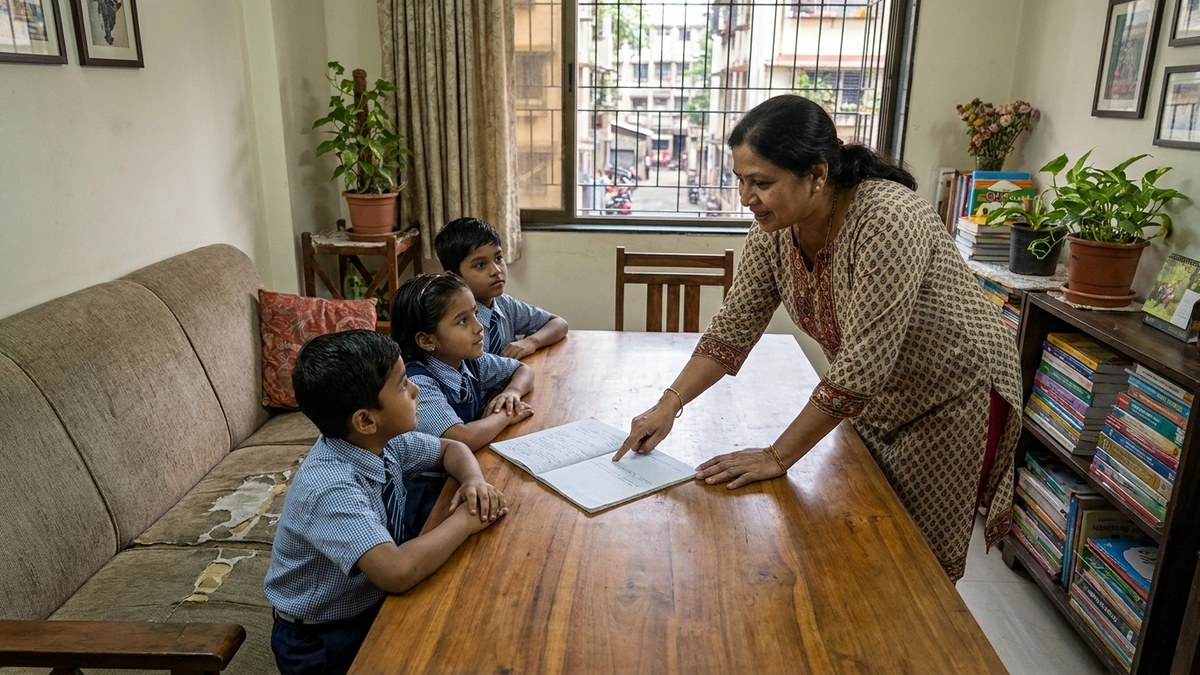
A microschool is a learning space with 15-20 students maximum, usually run by one or two trained educators, focusing on personalised learning paths instead of one-size-fits-all curriculum delivery. The model has exploded globally, and India is catching up fast. But here’s the truth: most Indian teachers and edupreneurs still don’t fully understand what makes a microschool different from just running a smaller tuition centre.
Let’s be honest. The difference isn’t just about numbers. It’s about philosophy.
Key Takeaways
- What is a microschool? A small learning space, usually 12 to 20 students, led by one or two educators with personalised learning paths.
- Traditional schools optimise for scale and one pace, while microschools adapt to each student’s pace.
- Microschools blend board syllabus requirements with student interests and flexible schedules.
- The teacher acts as a guide who coaches and supports, not only a lecturer.
- A microschool is more than a smaller tuition centre because of its philosophy and personalised approach.
Microschool vs Traditional School: The Real Gaps
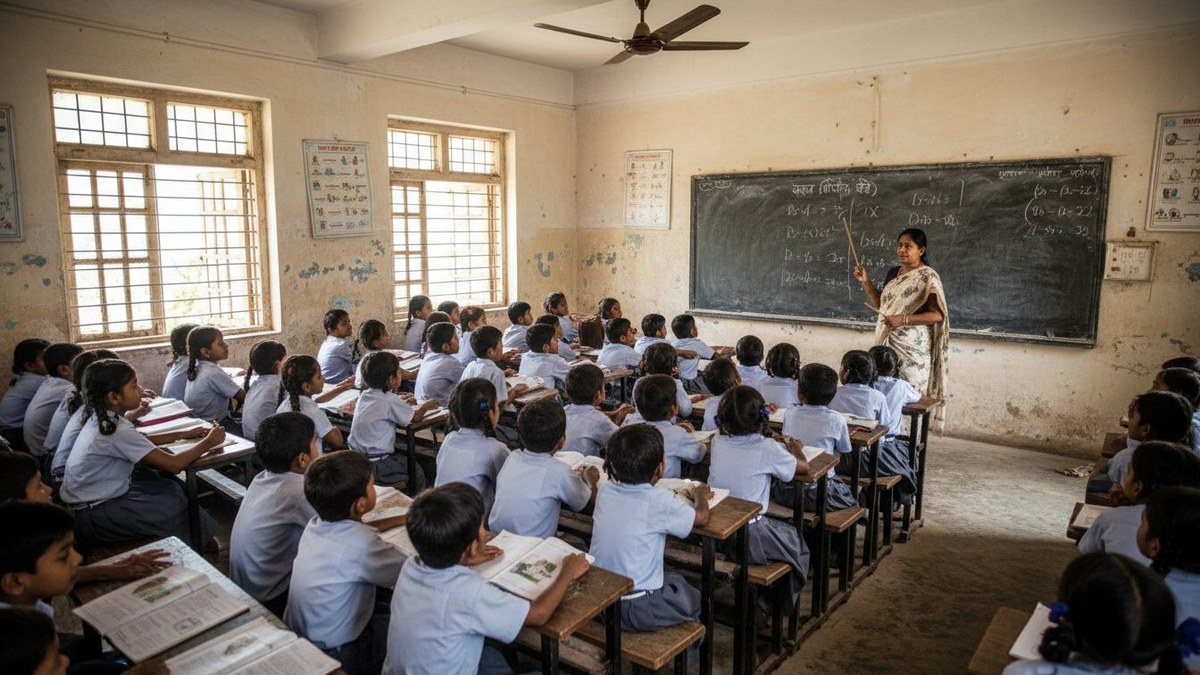
Most people don’t realise that traditional schools optimise for scale, not learning. They optimise for batch processing. You have 50 kids, one curriculum, one pace, one assessment method. Some kids finish in 20 minutes. Others need 45. The system doesn’t care. It moves on.
This model operates on completely different logic:
- Class size: Traditional school has 40-60 students per classroom. Microschool has 12-20.
- Curriculum flexibility: Traditional school follows rigid board curriculum (CBSE, state boards). This model blends board requirements with student interests and pace.
- Teacher role: Traditional teacher lectures and manages behaviour. Here, the educator mentors, observes, and adjusts daily.
- Assessment: Traditional school relies on quarterly exams and marks. Small learning spaces use continuous observation, project-based assessment, and skill tracking.
- Physical space: Traditional school is formal, institutional. A microschool can be a home, community centre, or co-working space.
- Parent involvement: Traditional school keeps parents at arm’s length. The microschool model involves parents in learning conversations weekly.
In India, the movement is still young. But the demand is real. Parents are tired of their kids being invisible in massive classrooms. Teachers are tired of being glorified content delivery machines. Something has to shift.
Here’s what’s important: A microschool isn’t just a tuition centre with fewer students. It’s a fundamentally different operating model. You’re not cramming more topics into the same 8-hour day. You’re going deeper with fewer students, tracking individual progress, and adjusting teaching in real-time.
Why Small-Scale Schools Are Growing in India
The numbers tell a story. India’s school system educates over 260 million students across roughly 1.5 million schools. The average class size in public schools is 40-50 students. In urban private schools, it’s still 35-45. Teachers are burned out. Students fall through cracks. Parents are anxious.
Microschools address this gap. They sit between homeschooling and traditional schools. They offer structure, qualified educators, peer learning, and flexibility. Some follow CBSE curriculum but teach it differently. Others design hybrid models that blend board requirements with skill-based learning.
The model also makes economic sense for educators. You don’t need a large building, dozens of staff, or massive infrastructure. One trained educator can run this kind of school from a community centre or even a well-designed home space. This is why many home tuition teachers are exploring microschools as their next step. If you’re already running a home tuition business, scaling to a microschool is a natural evolution.
The Indian Landscape Right Now
The microschool movement in India is still finding its feet. Some operate as learning pods (small community-based groups), others as formal schools registered with state education boards, and many exist in the grey zone of unregistered but legitimate learning centres.
The regulatory environment is unclear. The Ministry of Education hasn’t issued specific guidelines for this model. Most operate under existing tuition or informal education frameworks. This creates both freedom and risk.
What’s clear is that parents want alternatives. Urban parents especially are willing to pay for smaller, more responsive learning environments. Rural and semi-urban areas are exploring these schools as a way to retain students who would otherwise migrate to cities for “better” options.
What Parents Actually Care About
Parents aren’t choosing between this model and traditional schools based on ideology. They care about outcomes. Does my child learn better? Are they happy? Do they get individual attention? Can I afford it?
Research from UNESCO consistently shows that smaller learning groups with trained educators produce better engagement and retention. Students in these settings report higher confidence, better peer relationships, and clearer understanding of concepts.
Traditional schools still have advantages: board recognition, structured curriculum alignment with CBSE standards, established credibility. But they can’t offer what smaller settings do: individual learning plans, flexible pacing, and genuine mentorship.
How to Start or Scale Into This Model
If you’re a tuition teacher considering this shift, here’s what matters:
- You need a clear learning philosophy (not just “smaller classes”).
- You need systems for tracking individual progress (not just test scores).
- You need basic technology to manage learning records, parent communication, and assessments.
- You need a professional space (even if it’s a well-designed home or community centre).
- You need to understand your local regulatory requirements.
Many educators are exploring the learning pod model, which is essentially the same structure. If you’re interested in this direction, you can start a homeschool co-op in India as an entry point.
The technology piece matters. You’ll need reliable software to manage student data, learning progress, and parent updates. You’ll need a stable setup that works whether you’re teaching from home or a community space. This is where having proper equipment makes a real difference. Something like APNA PC (Rs.30,000 complete bundle with education software, Mini PC i3 7th Gen with 8GB RAM and 128GB SSD, monitor, keyboard, mouse, webcam, and headset, plus 3-year warranty and installation) gives you a professional foundation without the cost of building full IT infrastructure.
The Bottom Line
Microschools aren’t a trend. They’re a response to a real problem: traditional schools can’t give individual attention to 50 kids simultaneously. That’s not a flaw in the teachers. It’s a flaw in the model.
If you’re an educator or edupreneur in India, understanding this model isn’t just intellectually interesting. It’s practically important. Whether you’re running a tuition centre, thinking about starting one, or exploring new education models, the microschool framework offers real alternatives.
The question isn’t whether microschools will work in India. They already are. The question is whether you’ll be part of building them.
Frequently Asked Questions About What is a microschool
What is a microschool in simple words?
A microschool is a small school with a handful of students, often in a home or community space, where learning is personalised. One or two educators guide the group. It focuses on pace and understanding.
How is a microschool different from a regular school?
Class size is much smaller, the curriculum is more flexible and the teacher acts as a guide. Traditional schools follow a fixed pace for large groups. A microschool adapts to each learner.
Is a microschool the same as a tuition centre?
No, a tuition centre usually supports school learning for specific subjects, while a microschool provides a fuller learning experience. The difference lies in structure, philosophy and personalisation, not only size.
How many students are in a microschool?
Most microschools keep groups small, around 12 to 20 students. Smaller numbers allow personal attention. The exact number depends on space and the educator.
Does a microschool need a computer?
A computer is helpful for lesson planning, records, online resources and student projects. A shared home computer works better than a phone for documents and presentations. It does not need to be expensive.
NEP 2020 encourages flexible, learner-centred education and recognises the need for alternative models of schooling, especially for small and remote communities.