How Parents Can Help Kids Learn Better Every Day ?
A simple conversation between a parent and teacher on moving beyond marks with practical learning, safer digital study habits, and a future-ready approach.
A simple conversation between a parent and teacher on moving beyond marks with practical learning, safer digital study habits, and a future-ready approach.
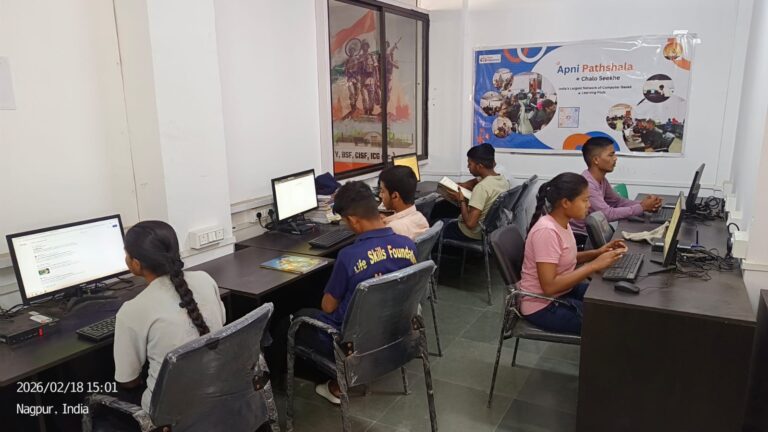
A long-form conversation between two parents on practical education, AI usage, digital safety, and building a student-first learning environment with Apna PC.
POGIL flips the classroom by turning students from passive note-takers into active thinkers who construct their own understanding. Through structured teamwork and guided inquiry, learners build both deep subject mastery and real-world skills like critical thinking and communication. It’s education that treats students like capable adults — not memory machines.
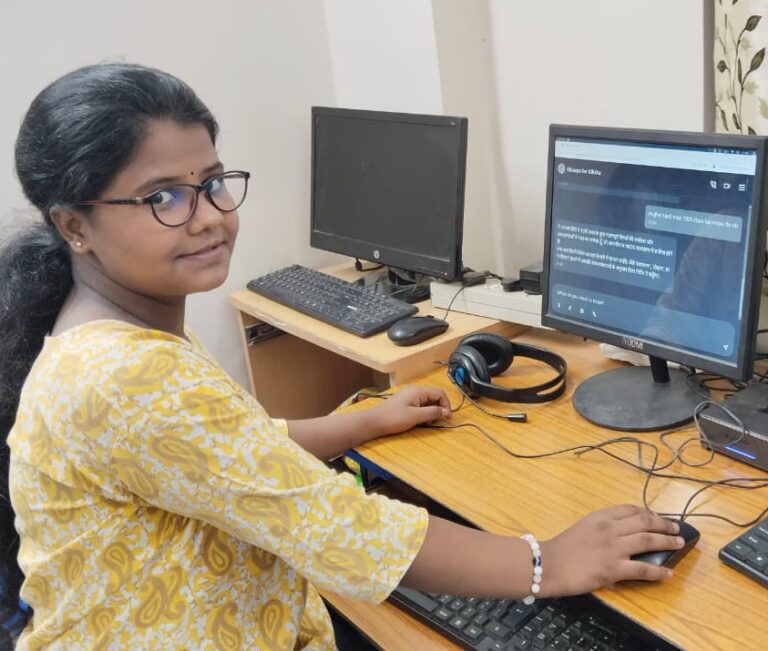
Indian companies complain they can’t find good workers—and when they do, they don’t stay. That’s not a talent problem. It’s a strategy failure. Higher pay offers temporary relief, but education creates permanent loyalty. When companies invest in a worker’s learning ecosystem—especially their children’s education—something powerful happens: pride replaces resentment, careers replace jobs, and loyalty stops being transactional. Gifting an Education PC isn’t charity. It’s intelligent capitalism that builds skills, dignity, and a future-ready workforce.
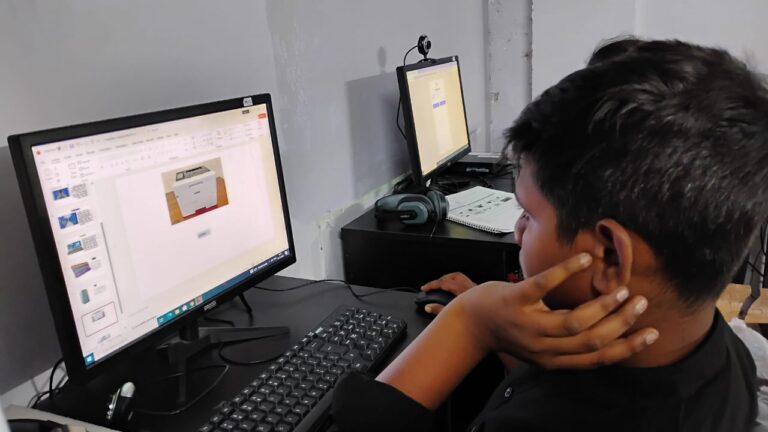
Parents know the schooling system is broken—but fear keeps them stuck in it.
Following the herd feels safe, even when it quietly kills curiosity and confidence.
Real education begins when parents stop waiting for permission and start acting.
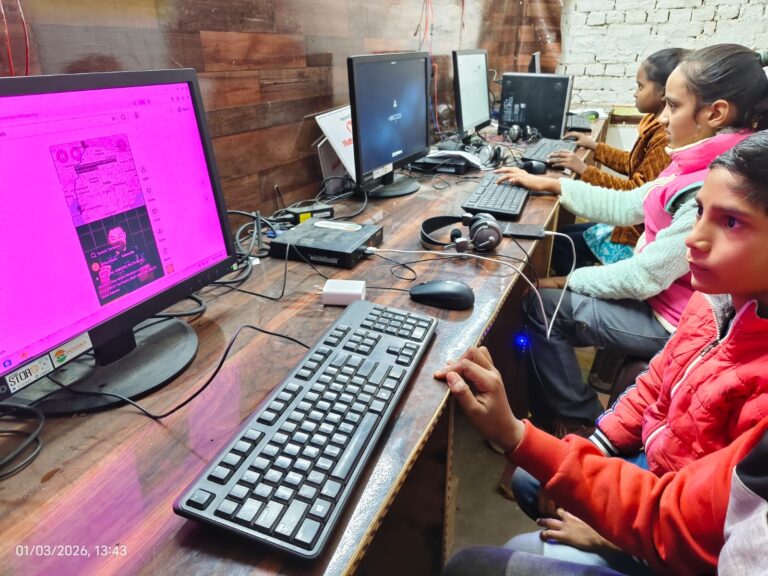
Most successful adults didn’t thrive because of school, but despite it.
If you want your child to be future-ready, stop optimising for marks—and start designing for learning.
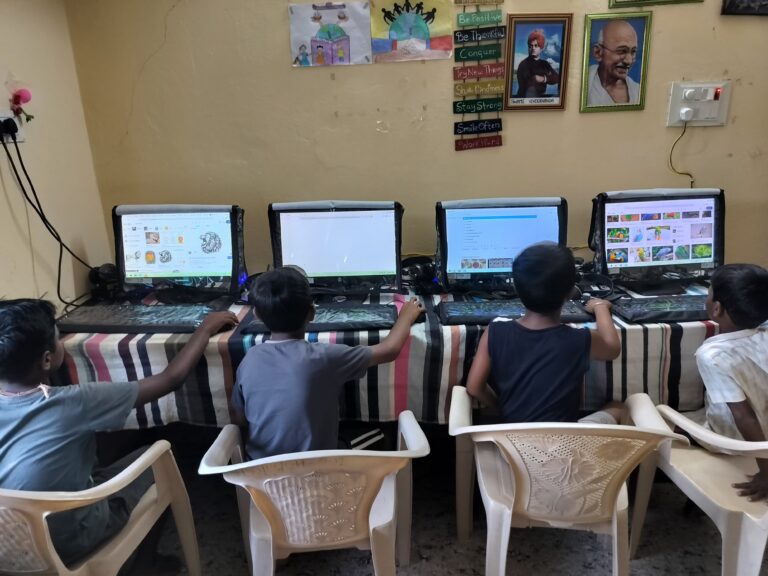
Indian education doesn’t equalise — it widens gaps. Coaching centres replace schools, marks reward privilege, and homework punishes the under-resourced. If parents want their children to learn deeply rather than just survive exams, community microschools offer a 10x smarter, cheaper alternative.
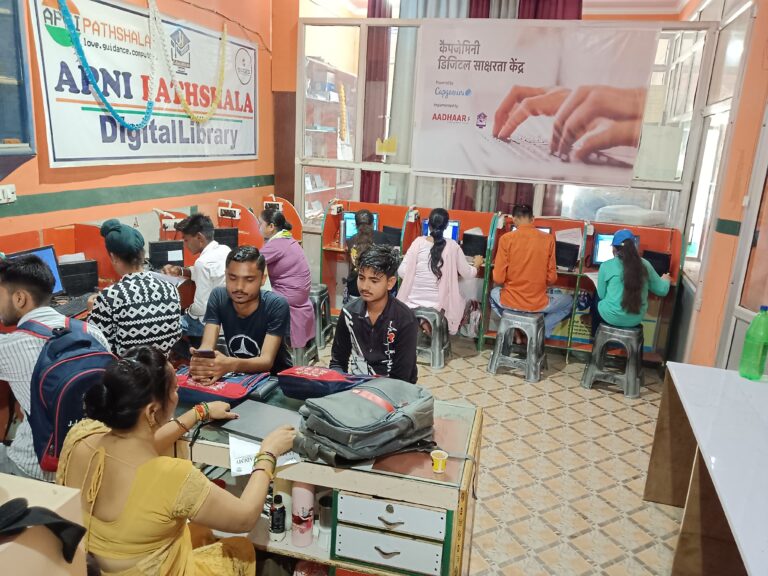
Indian schooling produces anxiety, not intelligence. Children are ranked, coached, and crushed into uniformity. Marks reward memorisation, not creativity. The future belongs to kids who think, adapt, create, and communicate — and only parent-led systems can nurture that potential.

India’s next education revolution won’t come from new schools — it’ll come from affordable AI tutors and smart business models that make quality learning accessible to every child.
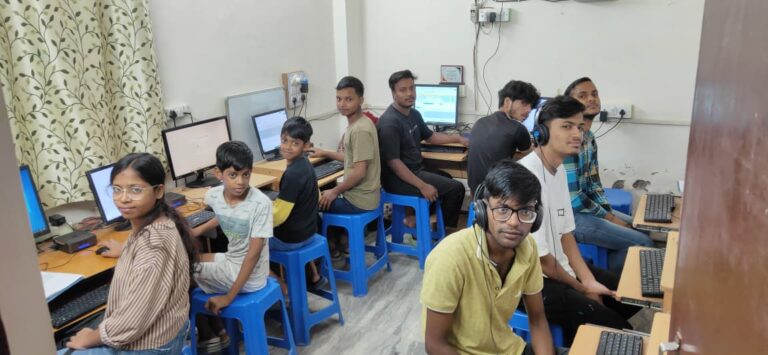
Learn why education should be a lifelong journey — and how community-based digital learning centers can keep curiosity alive for students and adults alike.