A NIOS Bridge Course is a short preparatory programme run by the National Institute of Open Schooling (NIOS) that helps learners build the foundation they need before they take a NIOS secondary course. It suits children and adults who have studied at home, learnt through informal channels, or left school early and now want a recognised qualification. This guide explains what the bridge course is, who it is for, what it involves, and how to enrol.
What Is a NIOS Bridge Course?
A NIOS bridge course is a preparatory stage that brings a learner up to the level needed to join a NIOS secondary course. Open schooling means the learner studies at their own pace, from home or a learning centre, and sits examinations to earn a certificate. The bridge course covers core subjects so that a learner who has not followed a formal school syllabus can start the secondary programme with confidence.
The aim is practical. Many learners have real knowledge but no paper trail of it. The bridge course gives them a structured way to fill gaps in language, mathematics and basic science, so they can move on without repeating years of schooling.
Who Is the NIOS Bridge Course For?
The programme is designed for parents and learners in India who are considering open schooling, especially those moving from informal or home-based study to a recognised NIOS secondary qualification. It is also useful for learners who dropped out, who were schooled outside the formal system, or who need a flexible route to finish their education.
For example, a Class 9 learner who has studied at home for two years may have strong reading skills but uneven maths. The bridge course lets them check where they stand and close those gaps before entering the secondary syllabus.
How Do You Check NIOS Bridge Course Eligibility?
NIOS bridge course eligibility depends on the level you are entering and your previous study. Eligibility rules are set by NIOS and can change, so the official page is the place to confirm current requirements. Read the programme details on the Ministry of Education’s DSEL page on NIOS before you apply.
Keep your age, previous education records and identity documents ready. If you are unsure which level suits you, a short conversation with a learning centre can help you decide before you pay any fees.
What Study Material Do You Need for the NIOS Bridge Course?
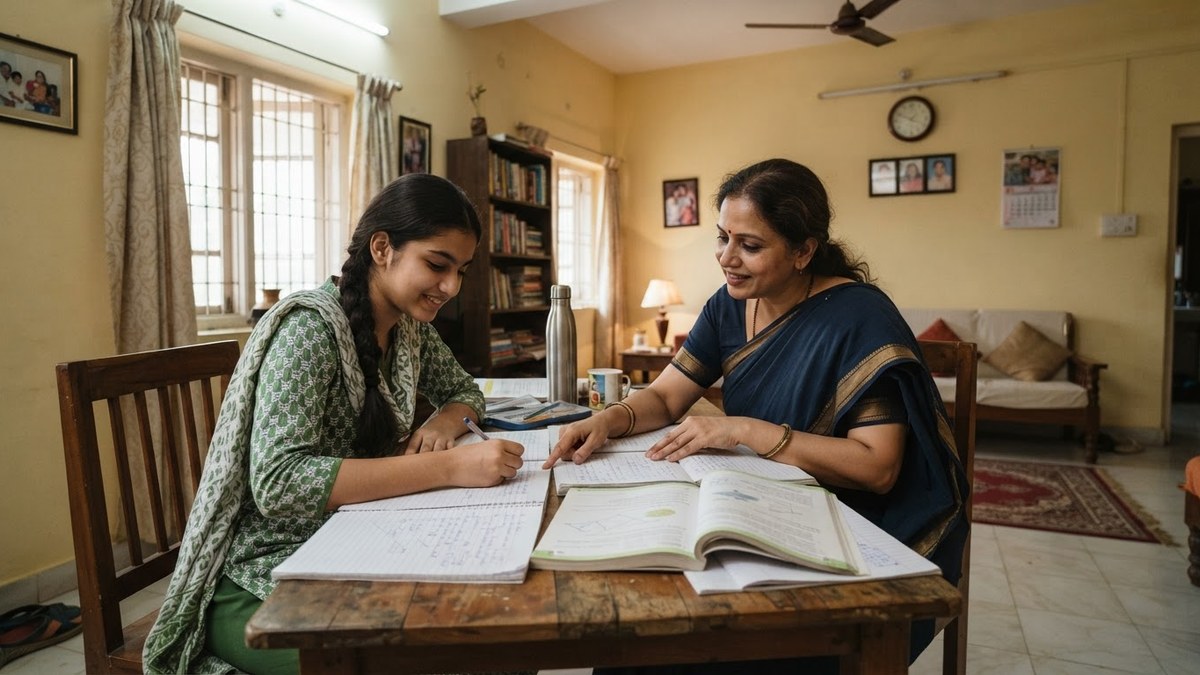
NIOS bridge course study material is available through official NIOS channels, and many learners also use printed or digital textbooks alongside self-study guides. Plan for regular reading, written practice and revision of each subject. Practice papers are especially useful, because they show you the question style before the examination.
A realistic plan works better than a long one. Set aside fixed hours each week, cover one subject at a time, and test yourself every fortnight. If a topic is hard, go back to the basics rather than skipping ahead.
How Do You Enrol in a NIOS Secondary Course After the Bridge?
Once you complete the bridge course, you can move on to a NIOS secondary course. Enrolment is done through the NIOS student portal, where you create an account, fill in your details, choose subjects and upload the documents asked for. Follow these steps:
- Confirm your eligibility on the official NIOS page.
- Gather your identity proof, photograph and previous education records.
- Register on the NIOS student portal (SDMIS).
- Fill in the admission form and choose your subjects.
- Pay the fee online and save the receipt.
- Note your enrolment number and check the portal for updates.
- Download your study schedule and begin preparing for the examinations.
Can You Study for the NIOS Bridge Course at Home?
Yes, most learners study for the NIOS bridge course at home. What you need is a quiet place to study, reliable access to the internet for resources, and a device that can run learning software. A basic computer is enough for reading material, practice tests and video lessons, but some learners find that a dedicated setup makes it easier to stay focused.
If you are planning a home setup, compare your options carefully. The guide to choosing the right computer for home learning explains the specifications that matter for study, and the homeschooling guide for India covers how to organise a week of learning at home.
Which Home Learning Setup Works Best for Open Schooling?
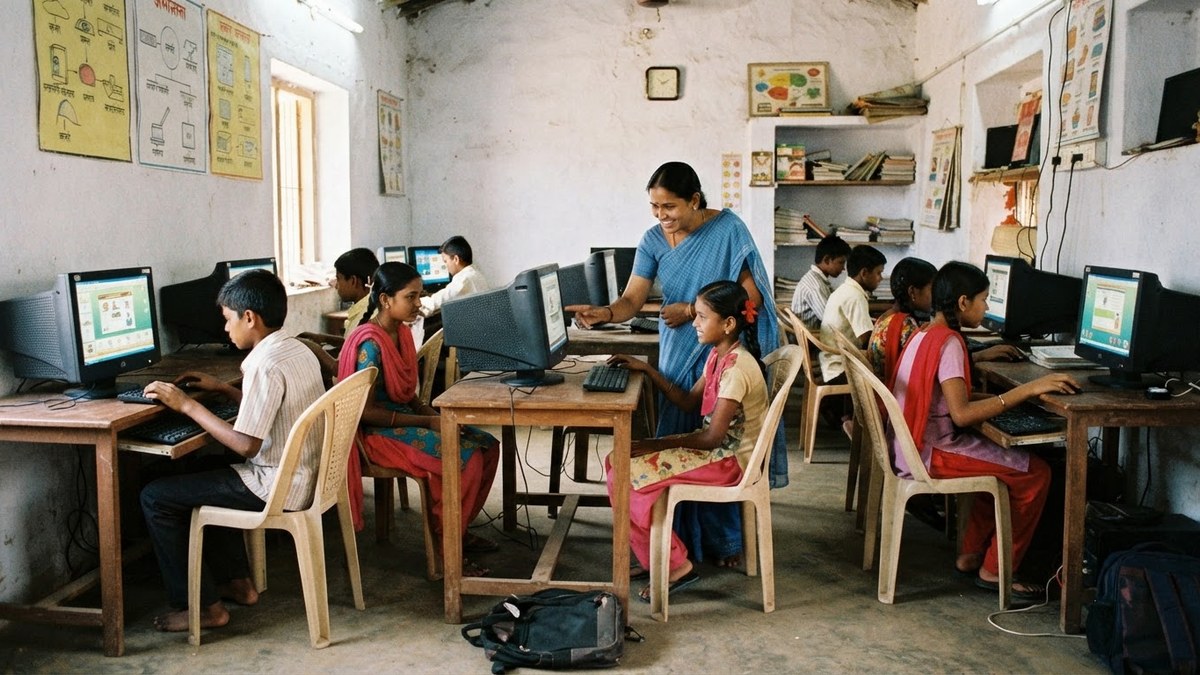
A good setup for open schooling has a dependable computer, a comfortable screen, a keyboard and mouse, and a headset for video lessons. Software for writing, drawing and practice tests should also be available. If you are weighing a ready-made option against building your own, compare the total cost, warranty and whether installation is included.
APNA PC is a complete learning computer bundle made for home and community learning. Its mini PC runs an Intel Core i3 7th Gen processor with 8GB RAM and a 128GB SSD. The bundle includes a monitor, keyboard, mouse, webcam and headset, and runs either Zorin OS or Windows. Education software comes pre-loaded, including Scratch, LibreOffice, LibreCAD, Blender, VS Code, Arduino IDE and Audacity, along with Apni Prerna, a student safety and monitoring tool. The complete bundle includes a 3-year warranty and installation, and the price is listed on the product page.
APNA PC is delivered through Apni Pathshala, which is funded by Malpani Ventures. Learning delivery runs through Point of Digital Learning (POD) centres. Across 21 states there are more than 50 active PODs, and they have delivered over 30,000 hours of learning. Learners who want guided support can also look at Apni Pathshala’s programmes, and the Eklavya AI platform offers additional study support.
How Does the NIOS Bridge Course Help You Prepare for Board Learning?
The bridge course builds the habits that the secondary course depends on: reading comprehension, written expression, basic numeracy and steady self-study. For learners who want to prepare for competitive examinations later, a strong secondary foundation matters. The guide to NEET preparation at home without coaching shows how a structured home routine can support longer-term goals, and the Right to Education Act guide explains free seat provisions that may be relevant to some families.
Frequently Asked Questions
Is the NIOS bridge course recognised?
NIOS is a national open schooling body, and its certificates are recognised for further study and employment in India. Check the official NIOS and Ministry of Education pages for the latest recognition details before you enrol, since rules can be updated.
How long does the NIOS bridge course take?
The time needed depends on your starting level, how many hours you can study each week, and the subjects you take. Learners who study consistently usually plan for several months, while those who need to fill bigger gaps may take longer. Set a realistic timetable and review it every month.
Do I need a computer to study for the NIOS bridge course?
A computer is not compulsory, since printed study material works well. However, a computer helps with practice tests, video lessons and typing assignments. If you use one, a reliable machine with a good screen and steady internet makes study far easier.
Can I enrol in the NIOS secondary course directly without the bridge course?
That depends on your previous education and the level you are applying for. Some learners can enrol directly, while others need the bridge course first. Confirm your eligibility on the official NIOS page before you pay any fees.
Ready to set up a dependable home learning centre? Set up a home learning centre with APNA PC and get a complete, ready-to-use learning computer for open schooling at home.