
The Right to Education Act: What Every Indian Parent Must Know
Your child has a legal right to free education until age 14. Full stop. Not a privilege. Not something that depends on your income, your address, or your ability to clear an entrance test. Yet most Indian families never learn how to claim it, and plenty of educators do not know their own duties under the right to education law.
That law came into force on 1 April 2010. It is not a scheme a state can switch on and off depending on its budget. It is a constitutional promise, and it comes with specific obligations that schools and governments must meet.
Who Gets Free Education and Until When?
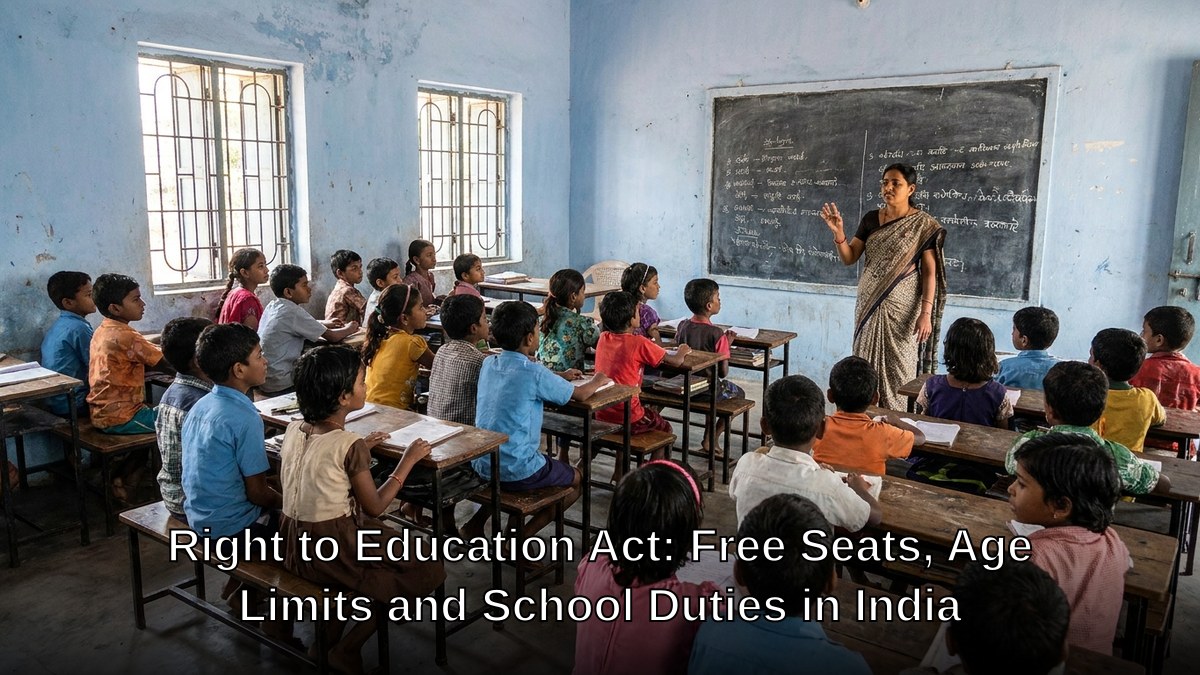
Let’s be honest: most people don’t realise how narrow the age window is. The law covers children aged 6 to 14, which maps to Classes 1 through 8. Not pre-primary. Not senior school. Six to fourteen.
If your child is five and a half, they are not yet covered. If they have turned fifteen, they have moved past the guarantee. Schools exploit this gap constantly, demanding fees or refusing admission at the edges of the band. Know your child’s age position. It protects you in an argument at the counter.
Inside that window, education must be free and compulsory. Free means no tuition fee, no building fund, no activity charge, no compulsory uniform or book purchase that quietly replaces the fee.
RTE 25% Seats: What Private Unaided Schools Must Offer
Here’s the truth: a private unaided school cannot quietly fill every Class 1 seat with fee-paying children. It must reserve 25% of entry-level seats for children from disadvantaged groups and weaker sections, and the state reimburses the school for those students.
This is the part of the right to education act that changes lives for families without cash. No screening test. No interview with the child or the parents. No capitation fee, no donation, no “development charges” slipped in at admission.
Once admitted under the quota, a child continues in that school until the end of elementary education. The school cannot turn around in Class 4 and start billing the family.
Who counts as disadvantaged or from a weaker section? Each state defines this in its own rules. Typically it includes Scheduled Castes, Scheduled Tribes, children with disabilities, and families below the income ceiling. Ask your district education office for the exact criteria in writing.
School Duties Under the Right to Education Act
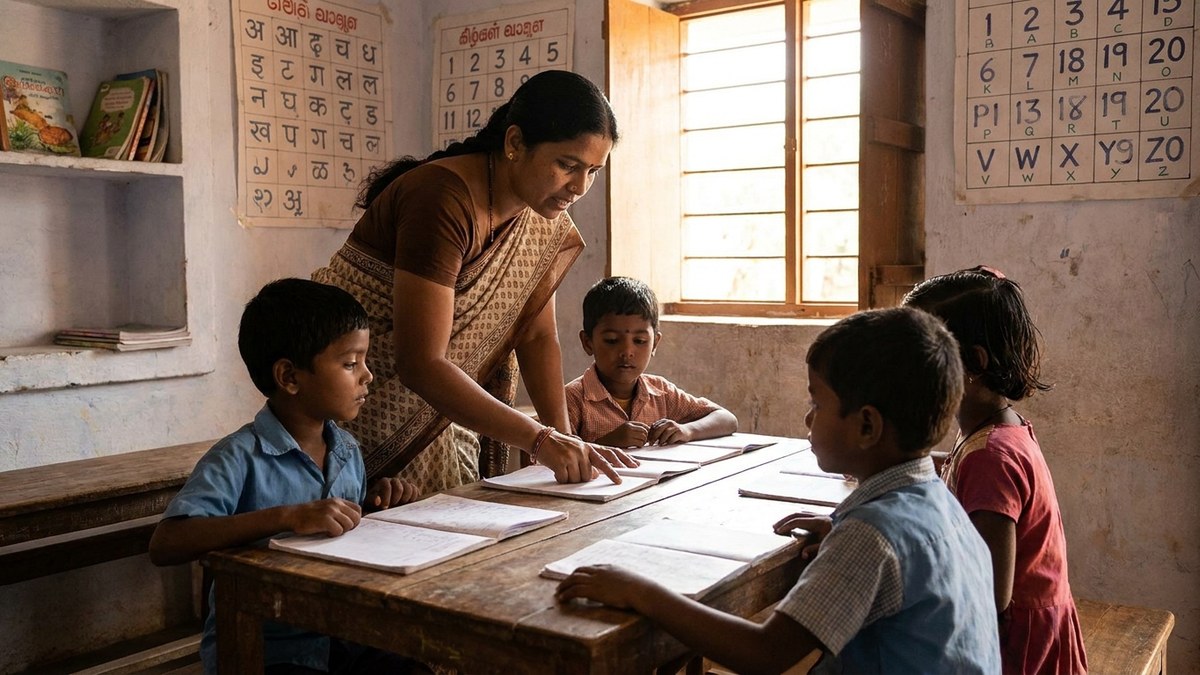
Schools carry concrete obligations. These are not optional extras.
- Neighbourhood access: a primary school within walking distance of where the child lives. If none exists, the state must provide transport or open one.
- Pupil-teacher ratio: one teacher per 40 children at primary level, one per 35 at upper primary. A classroom of 70 with one teacher breaches the law.
- Basic infrastructure: separate toilets, drinking water, a playground, a library, and working classrooms. All mandatory.
- Recognition: a private school must hold formal recognition from the state. An unrecognised school is operating illegally, no matter how good its brochure looks.
When a school ignores these duties, you have somewhere to go. File a grievance with the local authority first. Escalate to the State Commission for Protection of Child Rights if nothing moves. The law gives you teeth. Use them.
What the Law Does Not Cover
Here is the gap nobody advertises. The right to education act guarantees a free seat and minimum standards. It does not guarantee that your child learns well, that the teacher turns up every day, or that the syllabus is finished on time. It sets a floor, not a ceiling.
The curriculum itself comes from the board the school follows, whether a state board or the CBSE. Boards set the syllabus and the exams. The Act sets the access.
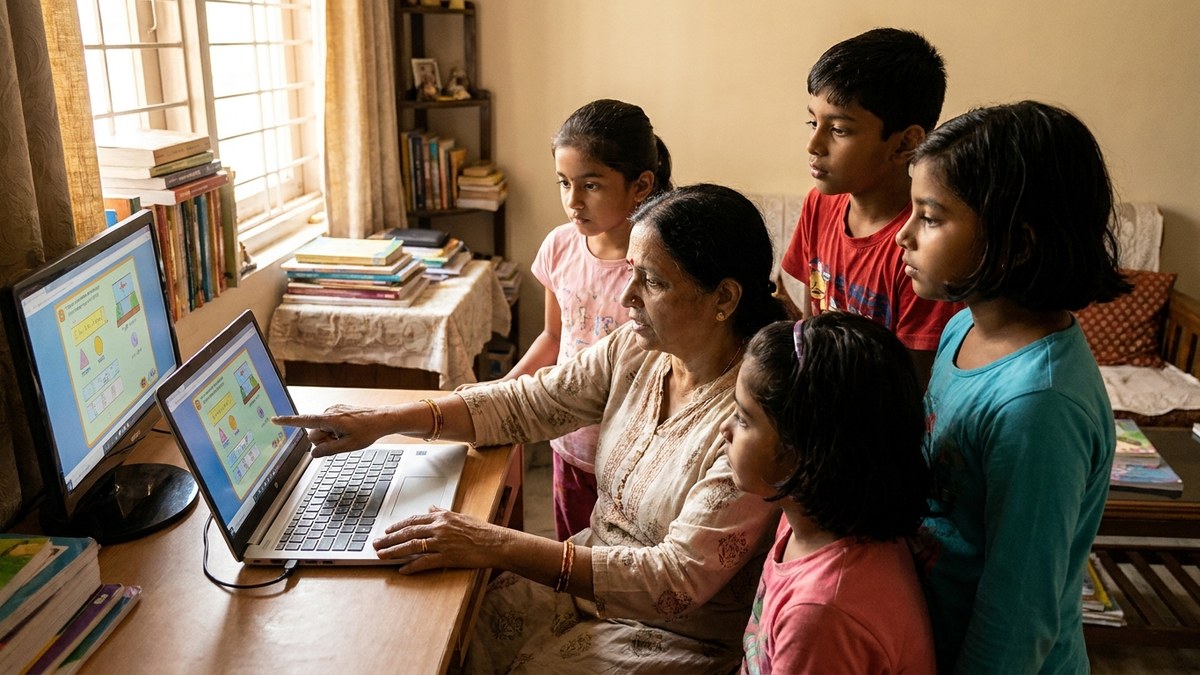
This is where supplementary learning earns its place. Many parents and educators use home or community-based teaching to bridge what a crowded classroom cannot deliver. A Point of Digital Learning, or POD, run from a home or a small centre does exactly that when it has structured content and a teacher who prepares.
How to Claim It
Do not wait for a school to offer. Contact your district education office or local authority and ask three things: the list of neighbourhood schools, the private schools holding 25% quota seats, and the admission timeline. Most states run an online portal for this. The Ministry of Education site links to state departments.
If a school refuses admission, demands a donation, or asks you to sign a fee undertaking, complain in writing the same week. Keep the receipt or the written refusal. Do not negotiate your way around the law.
If you teach, learn these rules properly. Families around you will ask, and a clear answer builds trust faster than any advertisement. You can also complement formal schooling with a structured digital setup. Many educators now run one on APNA PC, the Rs.30,000 bundle with education software, a mini PC, monitor, keyboard, mouse, webcam and headset, plus installation and a three-year warranty. It is enough to turn a room into a working APNA PC learning space.
The right to education is not a favour granted by a school trustee. It is a legal entitlement, and it only works when parents name it out loud at the counter. Do that, and the system has to answer.
For help building your teaching credentials, read our teaching portfolio guide. If your learners think in a local language, our notes on vernacular teaching in regional languages will save you months.