
Across India, parents are putting in effort, teachers are trying their best, and students are spending long hours studying—yet many families still feel learning outcomes are inconsistent. One practical solution now gaining momentum is the Learning Pod model: small, structured, conversation-led learning spaces that combine concept clarity, digital discipline, and confidence-building. When a pod is designed well, it can support students far better than random study routines because it brings consistency, accountability, and local support under one framework. You don’t need a massive setup to begin. You need a clear method, realistic expectations, and a daily process that works for children. The conversation below explains how parents, educators, and local leaders can create effective Learning Pods that are future-ready, practical, and sustainable.
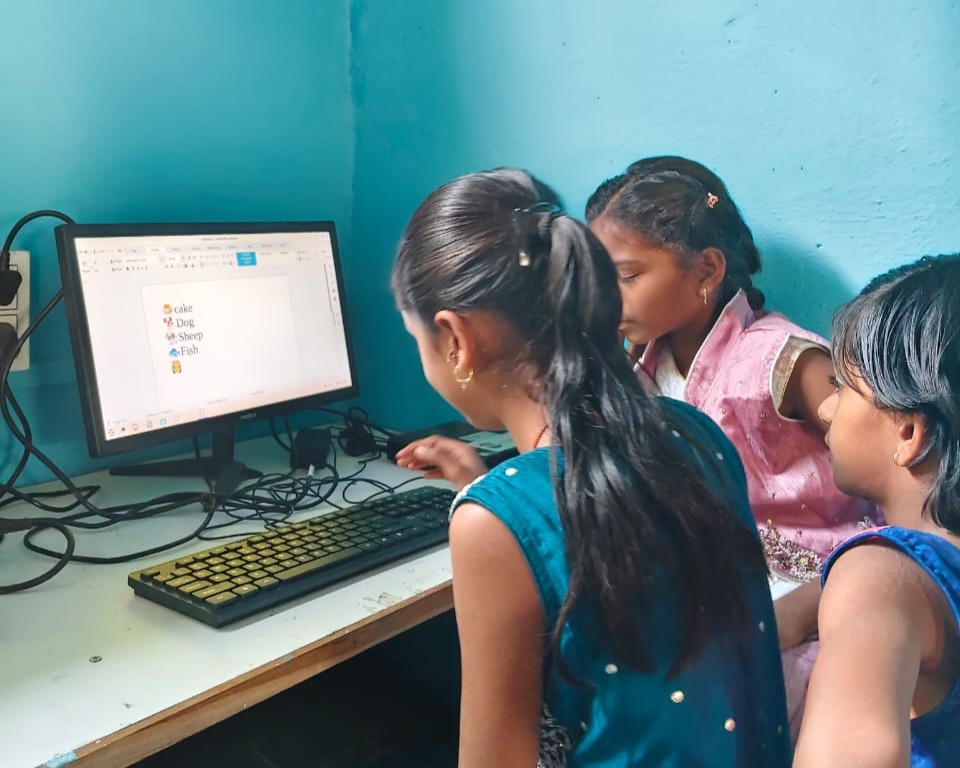
Parent (Kiran): We’ve tried school support, tuition, and extra worksheets, but my son still struggles to apply concepts. Is a learning pod actually useful, or just another trend?
Educator (Megha): It’s useful when done right. A pod is not just extra tuition. It’s a structured learning environment with small groups, guided routines, and clear outcomes.
Kiran: What makes it different from normal coaching?
Megha: Three things: consistency, personalization, and accountability. In many coaching setups, children receive content. In a good pod, children actively process, explain, and apply concepts.
Kiran: I like that, but where do we start?
Megha: Start with one core question: what should a child be able to do in 90 days? Not just what chapters should be finished, but what understanding and habits should improve.
Kiran: Can you give examples of 90-day outcomes?
Megha: Sure. Better concept clarity in core subjects, improved ability to explain answers, reduced study anxiety, stronger digital discipline, and more consistent homework quality.
Kiran: Parents in my area mostly ask only about marks.
Megha: That’s normal. So keep marks in view, but track leading indicators too—attendance, teach-back quality, application skills, and confidence in problem-solving.
Kiran: What should a daily pod session look like?
Megha: Keep a repeatable structure: 10 minutes recap, 20 minutes concept teaching, 20 minutes guided practice, 10 minutes student explain-back, and 5 minutes reflection.
Kiran: Explain-back seems small. Is it really powerful?
Megha: Very. If a child can explain a concept in simple words, you know real learning has happened. If they can’t, they likely memorized without understanding.
Kiran: What about digital distractions? That’s our biggest issue.
Megha: Pods should have a digital hygiene protocol: dedicated study logins, notifications off, limited open tabs, supervised task blocks, and clear break windows.
Kiran: Is AI allowed in learning pods?
Megha: Yes, but with rules. AI can support explanation, examples, and practice generation. It cannot replace student thinking. Every AI-supported response must end with student’s own explanation.
Kiran: That makes sense. How many students should one pod have initially?
Megha: Begin with 8 to 15 students. Small batch size ensures quality, and quality is what builds referrals and long-term trust.
Kiran: What infrastructure is mandatory?
Megha: Keep it simple: clean space, stable internet, writing board, basic devices, attendance tracker, and weekly progress format for parents.
Kiran: How often should parents get updates?
Megha: Weekly. Short, clear updates work best: what was covered, what improved, where support is needed, and what next week’s focus is.
Kiran: Many children lose confidence quickly after one bad test.
Megha: That’s why pod culture should be progress-based, not fear-based. Correct mistakes early, celebrate effort and clarity, and avoid comparison with other children.
Kiran: Can this model work in small towns too?
Megha: Absolutely. In fact, local pods are often more effective there because community trust is stronger and communication is more direct.
Kiran: What mistakes do new pod founders make?
Megha: Five common mistakes: overpromising results, taking too many grades at once, irregular schedules, weak parent communication, and no tracking system.
Kiran: How can we avoid overpromising?
Megha: Use realistic language. Promise disciplined learning processes and measurable growth. Don’t guarantee rank outcomes you can’t control.
Kiran: How do we keep students engaged for months?
Megha: Build rhythm: fixed routine, small wins, regular explain-back, monthly parent meets, and practical activities connected to real life.
Kiran: What kind of practical activities?
Megha: Budgeting for maths, discussion summaries for language, home science observations, and short presentations for communication confidence.
Kiran: What should be tracked weekly by pod leaders?
Megha: Attendance consistency, concept quiz performance, assignment completion quality, explain-back confidence, and parent satisfaction score.
Kiran: Is there a simple rule to judge if the pod is improving?
Megha: Yes—if students are asking better questions, explaining more clearly, and showing calmer confidence, your pod is moving in the right direction.
Kiran: What’s your final advice for parents and educators starting together?
Megha: Don’t wait for perfect conditions. Start with a clear routine, communicate honestly, measure weekly progress, and improve continuously. A well-run learning pod can transform both student outcomes and community confidence.
Learning Pods are powerful because they bring structure, focus, and human guidance back into the learning process. When parents and educators collaborate with clear routines and measurable goals, children don’t just study more—they learn better, think better, and grow in confidence. If you want to set up a focused digital learning environment for your pod or community, explore APNA PC here: https://www.teachtoearn.in/apna-pc/