
Every parent wants the same outcome: a child who studies with focus, understands clearly, and grows with confidence. Yet in many homes, daily learning feels chaotic — constant reminders, unfinished tasks, stress around tests, and endless distraction from screens. The issue is rarely that children do not care. The real issue is unclear learning structure, especially in a digital world where devices can either distract or empower.
When digital learning is unstructured, it creates confusion. When it is structured, it becomes a powerful growth tool. Families do not need perfect conditions to improve learning. They need a balanced system: clear routines, realistic targets, digital discipline, regular feedback, and calm communication.
The conversation below offers a practical guide for parents who want consistent progress without exhausting their children, with a strong focus on structured digital learning and how tools like APNA PC can help.
Parent (Neha): We make our son study daily. He attends tuition too, but he still isn’t independent. We have to push him for everything. Where are we going wrong?
Mentor (Aman): This is very common. The problem is not effort — it is system design. If the study routine is parent-driven instead of child-owned, the child becomes dependent on reminders.
Neha: Does that mean he should decide everything himself?
Aman: Not complete freedom. Structured choice. You define the goal, and the child chooses the execution window. For example, “Math practice for 30 minutes is compulsory today, but you can start at 5:00 pm or 6:30 pm.” This creates ownership.
Neha: Our biggest distraction is the phone. Notifications start the moment he sits to study.
Aman: Most homes mix entertainment and learning on the same device. Digital discipline requires structure: a dedicated study login, notifications off during study blocks, one-tab rule during online learning, and 25-minute focus with 5-minute breaks. If the device is not designed for learning, it will default to distraction.
Neha: How does APNA PC help here?
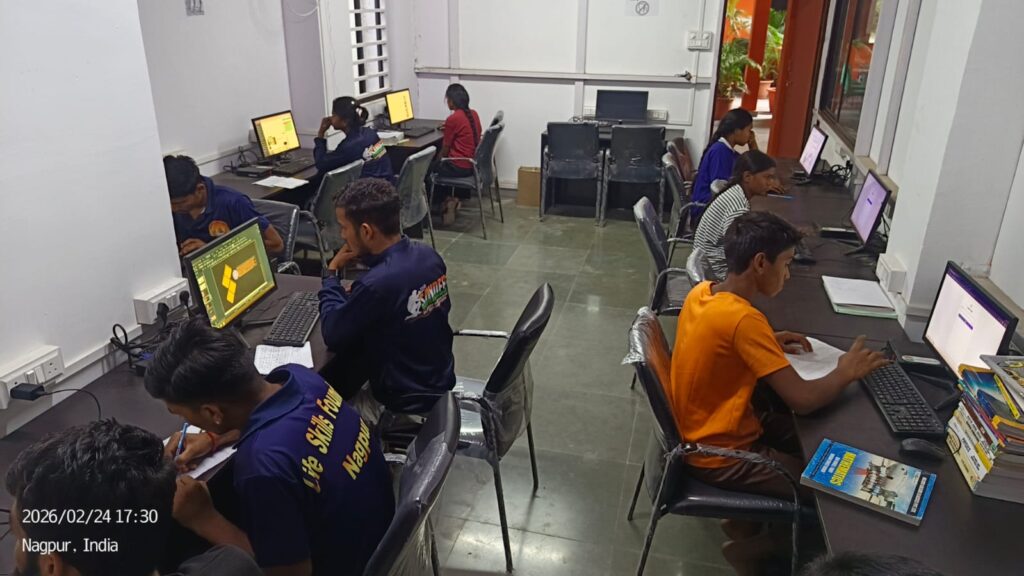
Aman: APNA PC is designed as a focused digital learning environment. It provides a dedicated workspace, reduces distraction, supports structured AI learning, and helps parents track progress without constant supervision. Instead of fighting the device, families can design learning around it.
Neha: We struggle with consistency. Two days are good, then routine breaks.
Aman: Start small. Only two daily anchors: one concept block (25–35 minutes) and one practice block (25–35 minutes). Anything extra is a bonus. Simple systems sustain consistency.
Neha: He says “I understood,” but makes mistakes in tests.
Aman: Use the teach-back rule. After any explanation — from school, tuition, or AI — ask him to explain the concept in his own words in 60 seconds. If he cannot explain clearly, understanding is incomplete.
Neha: Do parents need subject expertise for this?
Aman: Not at all. Parents are listeners, not examiners. Ask simple follow-ups: “Give an example,” “What is the common mistake?” “What happens if the question changes?” That builds clarity.
Neha: How should we use AI tools?
Aman: Use AI for guidance, not dependency. Ask AI to explain concepts simply, generate practice questions, or identify weak logic. Avoid asking AI to write full answers. After using AI, always require self-explanation. No submission without understanding.
Neha: Weekly planning feels overwhelming.
Aman: Keep a simple rhythm. Monday to Friday: concept plus practice. Saturday: repair weak topics. Sunday: light revision and plan next week. Predictable rhythm reduces stress.
Neha: Marks pressure makes the home environment tense.
Aman: Shift language. Ask not only “What marks did you get?” but also “What improved?” A supportive tone encourages honesty. Fear creates hiding.
Neha: Should we compare with other children?
Aman: Avoid comparison. Compare progress with last week. Maintain a simple scoreboard: study attendance, concept clarity, practice quality, error correction speed, and confidence level. This builds self-growth focus.
Neha: Sometimes he feels exhausted.
Aman: Prevent burnout. Include one light study day, daily physical activity, fixed sleep schedule, and avoid late-night panic study. Sleep is critical for memory consolidation.
Neha: What if emotional meltdown happens?
Aman: Use the reset protocol: pause, drink water, deep breathing, short walk, then restart with one easy task. Calm mind learns better.
Neha: How long before results show?
Aman: Most families notice better rhythm in two weeks, confidence improvement in four to six weeks, and marks stability in eight to ten weeks. Consistency is the key.
In today’s AI-driven world, children must learn how to use technology wisely. Avoiding digital tools is unrealistic. Structured digital learning is the solution. When families create clear routines, practice teach-back, maintain digital discipline, guide AI usage, and track real progress instead of only marks, children develop focus, confidence, and independence.
Children do not grow through pressure. They grow through process. A calm home, clear structure, and the right digital learning environment make a powerful difference.
For families seeking a distraction-aware, structured digital learning setup that supports focus, guided AI use, and consistent progress, explore APNA PC here: https://www.teachtoearn.in/apna-pc/
With the right system in place, children do not just study better — they begin to believe in themselve