
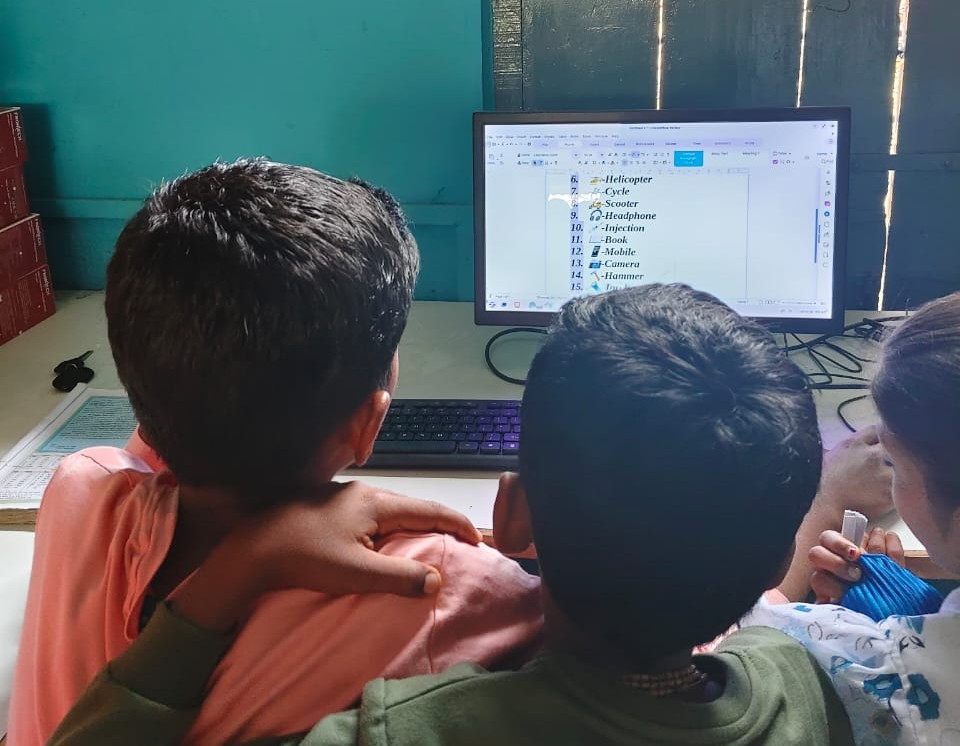
Parents across India are doing more for education than ever before. They are spending on tuition, downloading learning apps, arranging extra classes, and constantly checking progress. Yet one quiet frustration keeps returning in many homes: children are studying, but deep understanding is still weak. The gap is no longer only about access to content. Today, the challenge is building learning habits that combine concept clarity, digital discipline, communication confidence, and thoughtful use of AI. The good news is that families and local educators do not need expensive infrastructure to make this shift. They need a repeatable method. The conversation below breaks this down in practical terms so parents, mentors, and community leaders can act immediately.
Parent (Ritu): Sir, sach bolun? Hum padhai pe kaafi focus kar rahe hain, but meri daughter test mein theek score karti hai aur application questions mein atak jati hai. Kya hum galat direction mein mehnat kar rahe hain?
Learning Mentor (Dev): Mehnat galat nahi hai, measurement incomplete hai. Most families count hours and chapters. Few track understanding, explanation, and independent thinking.
Ritu: Independent thinking ko daily life mein kaise measure karein?
Dev: Simple three checks use karo: kya baccha concept ko apni language mein samjha sakta hai, kya woh same idea ko new question mein apply kar sakta hai, aur kya woh galti identify karke correct कर sakta hai.
Ritu: Usually hum poochte hain “Kitna padha?” Is that wrong?
Dev: Wrong nahi, but incomplete. Add better questions: “Aaj ka toughest concept kya tha?”, “Tumne usko kaise samjha?”, “Ek real-life example do.” These questions shift the brain from memorizing to reasoning.
Ritu: Distraction biggest issue hai. Study ke naam par phone khulta hai, phir notifications aur reels.
Dev: Isiliye digital hygiene protocol mandatory hai. Bacchon ko sirf “phone mat use karo” bolne se problem solve nahi hoti. Structure banana padta hai.
Ritu: Structure ka practical template?
Dev: 65-minute learning cycle rakho: 10 min recall, 20 min concept learning, 20 min guided practice, 10 min teach-back, 5 min reflection note. Session fixed pattern mein hoga to distraction naturally kam hota hai.
Ritu: Teach-back ko har jagah emphasize kyun kiya jata hai?
Dev: Kyunki explanation is proof of learning. Agar baccha kisi concept ko simple words mein samjha nahi pa raha, to understanding incomplete hai.
Ritu: Hamare ghar mein marks pressure kaafi hai. Agar process pe focus karein aur marks short-term dip ho gaye to?
Dev: Short-term dip possible hai, especially jab rote se concept-based method mein shift hota hai. But 8–12 weeks mein stability, retention, aur confidence improve hoti hai. Long game jeetna hai to process-first approach zaroori hai.
Ritu: AI tools ka kya role hona chahiye? Bacche copy-paste kar lete hain.
Dev: Excellent question. AI ko “thinking assistant” rakho, “answer machine” nahi. Good usage: explain concept in simple language, generate practice questions, identify logic gaps. Bad usage: full answer copy-paste.
Ritu: To home rule kya set karun?
Dev: One line: “AI can support your thinking, not replace your thinking.” Har AI response ke baad child ka self-explanation compulsory karo.
Ritu: Parent ka daily role kitna hona chahiye? Hum teacher toh nahi hain.
Dev: Parent ko subject teacher nahi banna. Parent ko environment architect banna hai. Aapka role hai routine set karna, check-ins karna, emotional stability dena, aur effort + clarity ko reinforce karna.
Ritu: Daily check-in ka best format?
Dev: 7-minute evening check use karo:
1) Aaj kya naya samjha?
2) Kahan atke?
3) Kal ka focus kya hai?
4) Ek sentence gratitude (kis cheez mein progress feel hui).
Ritu: Community level pe kya kiya ja sakta hai? Har parent individual struggle kar raha hai.
Dev: Local learning pods build karo. 8–15 students, fixed schedule, weekly parent updates, monthly progress review. Small group accountability se consistency dramatically improve hoti hai.
Ritu: Pod mein weekly report mein kya include hona chahiye?
Dev: Five indicators:
– Attendance consistency
– Concept quiz performance
– Assignment quality
– Teach-back confidence
– Parent feedback score
Ritu: Many kids fear mistakes. Kaise confidence build karein?
Dev: Mistake language change karo. “Galti” ko “feedback point” bolo. Jab child safe feel karta hai, curiosity grow karti hai. Fear-based classrooms silence create karte hain, progress-based culture questions create karta hai.
Ritu: Exam prep aur skill development ko saath kaise leke chalein?
Dev: 70-20-10 framework try karo: 70% syllabus mastery, 20% application practice, 10% communication + digital discipline skills.
Ye mix exam results bhi improve karta hai aur future readiness bhi.
Ritu: Time-table बनाते हैं but टिकता नहीं. Why?
Dev: Because timetable often unrealistic hota hai. Better method: “minimum viable routine.” Har day ke 2 non-negotiables set karo—one concept block, one practice block. Extra time bonus maana jaye.
Ritu: Weekend का best use?
Dev: Weekend ko backlog dumping day mat banao. Use three parts:
– Review: week ka weak area
– Rebuild: one concept re-learn
– Reinforce: one mock/application set
Plus 30 min planning for next week.
Ritu: Kya school, tuition, and pod together possible hai?
Dev: Yes, but overlap remove karna hoga. Pod ka kaam repetition nahi, integration hona chahiye. School teaches chapter, tuition solves questions, pod builds comprehension + expression + habits.
Ritu: Parent meetings mein usually only marks discuss hote hain.
Dev: Agenda upgrade karo. Three-slide discussion model use karo:
– Learning behavior trend
– Concept mastery trend
– Confidence and communication trend
Marks include karo, but as output—not whole story.
Ritu: A final test to know if child is actually improving?
Dev: Yes. If child is asking better questions, explaining with clarity, and recovering faster from mistakes, learning is improving—even before marks fully reflect it.
Ritu: Last advice for parents starting today?
Dev: Perfection ka wait mat karo. Start with one fixed study block, one daily teach-back, one weekly review. Keep routine honest, communication kind, and progress measurable. Consistency beats intensity in education.
Education in 2026 is not just about finishing chapters faster. It is about helping children think clearly, learn independently, and stay emotionally steady while using technology responsibly. Parents and educators who build simple systems at home and in community pods can create real change without burnout. If you want a focused digital setup that supports this kind of disciplined learning journey, explore APNA PC here: https://www.teachtoearn.in/apna-pc/.