Q1. Many educated parents are successful today. Isn’t schooling the reason for that success?
That’s a comforting story—but mostly a myth.
Yes, many parents went to school and later became successful. But correlation is not causation. Schools like to take credit for outcomes they didn’t really produce. The uncomfortable truth is that most successful adults learned despite the schooling system, not because of it.
Q2. What do you mean by “despite schooling”?
Think back honestly.
Did school teach you curiosity—or punish it?
Did it encourage questioning—or reward obedience?
Did it help you discover your strengths—or label you with ranks and marks?
What actually helped you succeed were things you learned outside the classroom: reading on your own, tinkering, solving real problems, learning from mistakes, and having parents who supported independent thinking. School was just the background noise.
Q3. But if the system worked for us, why shouldn’t it work for our children?
Because the world has changed. Radically.
The schooling system is still designed for the industrial age—training children to follow instructions, work in silos, and compete for scarce rewards. Today’s world rewards exactly the opposite: adaptability, collaboration, creativity, and continuous self-learning.
What worked in the past will actively fail your child in the future.
Q4. Isn’t modern schooling updated with smart boards, apps, and online tests?
That’s cosmetic change, not structural reform.
Putting a smart board in a classroom that still discourages thinking is like installing a touchscreen in a bullock cart. The core model hasn’t changed: same syllabus, same exams, same obsession with marks.
Technology without autonomy just digitises boredom.
Q5. Why is there such urgency to explore alternatives now?
Because childhood has an expiry date.
Your child does not get a second chance at learning curiosity, confidence, and self-belief. Once fear, passivity, and dependency are ingrained, they are very hard to undo. Waiting for “things to improve” is a luxury your child cannot afford.
Q6. Are parents overestimating the value of schools because of nostalgia?
Absolutely. Nostalgia is dangerous when it guides policy.
Parents remember the good parts of their schooling and conveniently forget the anxiety, rote learning, and wasted time. They assume suffering is a rite of passage. It isn’t. It’s just inefficient design.
Q7. If schooling isn’t the main reason for success, what is?
The ability to learn how to learn.
Successful adults know how to find information, evaluate it, apply it, and adapt when things change. These meta-skills were usually learned at home, through self-exploration, mentorship, reading, and hands-on experience—not through textbooks and exams.
Q8. What role did parents play in the success of today’s adults?
A huge one—often invisibly.
Parents who encouraged curiosity, tolerated mistakes, allowed freedom, and provided resources unknowingly did the real education. They gave their children agency. That mattered far more than the school name or board.
Q9. What does “student-first education” actually look like?
It puts autonomy before authority.
Students take ownership of their learning. They learn at their pace. They explore interests deeply instead of skimming everything superficially. Adults act as facilitators, not controllers. Progress is measured by growth, not ranks.
Q10. Isn’t giving children autonomy risky? What if they misuse it?
Freedom without support is neglect. Freedom with structure is empowerment.
Children don’t need micromanagement; they need safe environments, good tools, and trust. When given responsibility gradually, most children rise to the occasion. We underestimate them because schools have trained them to be passive.
Q11. How important is access to the right tools for self-directed learning?
Crucial. Autonomy without tools is theory.
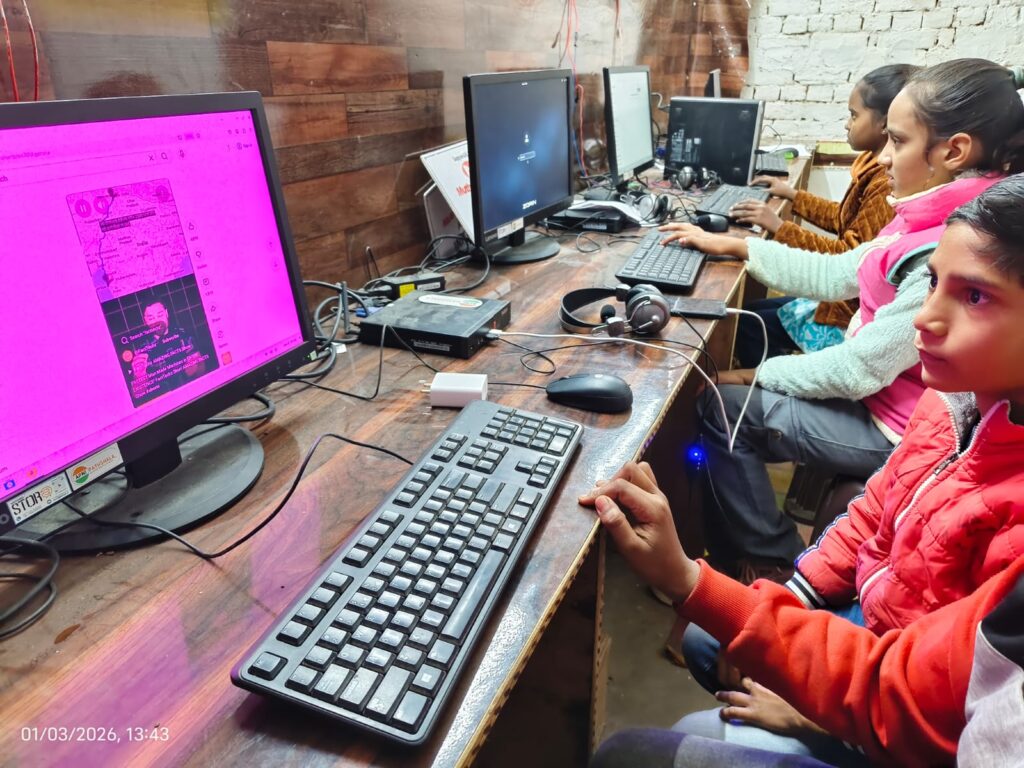
Children need reliable access to a personal computer designed for learning—not borrowed phones, not distracting gadgets. A dedicated education PC becomes the child’s lab, library, and workspace. It quietly teaches independence every day.
Q12. Can parents do this while their child is still in a regular school?
Yes—and they should.
This isn’t about dramatic exits. It’s about shifting the centre of gravity. School can be one input; self-directed learning must become the main one. Parents who do this early give their children an unfair advantage—in the best possible way.
Q13. What is the biggest mindset shift parents need to make?
Stop preparing children for exams. Start preparing them for life.
Marks fade. Skills compound. Confidence compounds. Curiosity compounds. Parents must choose which curve they want their child on.
Help your children to become independent self-directed lifelong learners by buying them India’s best Education PC at www.apnapc.com