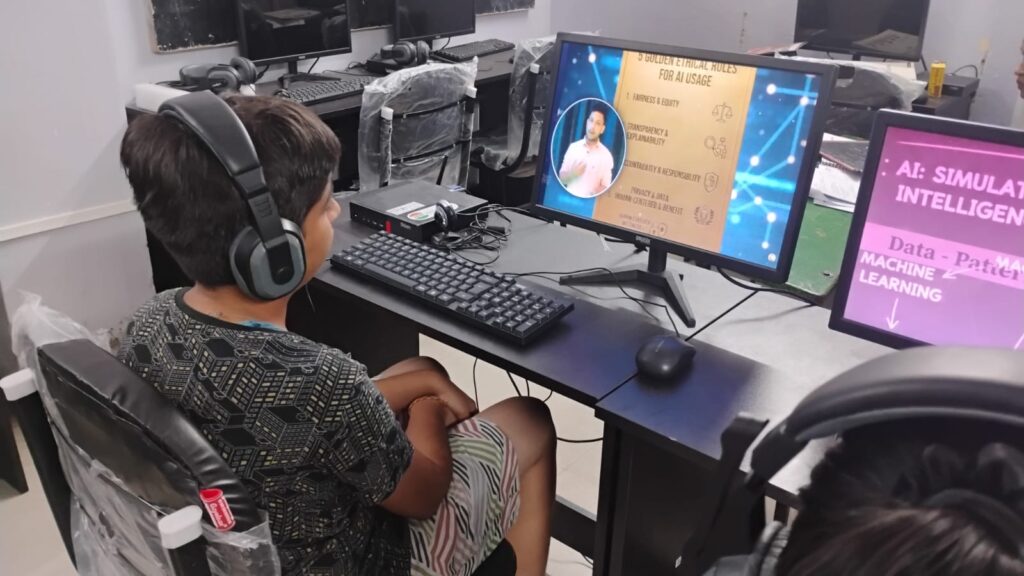
Many parents, educators, and local leaders want to improve learning outcomes in their area, but feel stuck because traditional options are either too expensive, too rigid, or too disconnected from real student needs. A Teach-To-Earn Learning Pod offers a practical alternative: small-group, guided, skill-oriented learning that blends concept clarity, digital literacy, and confidence building. The best part is that you don’t need a huge institution to begin. With a structured routine, clear goals, and consistent parent communication, even a modest setup can create meaningful change for children and a sustainable income path for educators. Here is a realistic conversation that explains exactly how to start, run, and grow a Learning Pod step by step.
Parent Leader (Rohit): I’ve been hearing about Teach-To-Earn Learning Pods. Is it just another tuition center with a new name?
Program Mentor (Sana): Not exactly. A Learning Pod is designed as a focused learning ecosystem—small batch size, structured routine, practical digital learning, and measurable progress. It goes beyond homework completion.
Rohit: If I want to start one in my community, what should I do first?
Sana: Start with clarity, not infrastructure. Define who your learners are, what outcomes you want in 90 days, and what your weekly routine will look like.
Rohit: What kind of learners should I begin with?
Sana: Begin with one segment, like Classes 6–8 or 9–10. Starting with a narrow age group helps you deliver better quality and avoid chaos.
Rohit: Parents in my area mainly ask about marks. How should I respond?
Sana: Tell them marks matter, but they improve consistently when understanding improves. Focus on concept clarity, application, communication, and study habits.
Rohit: What should a daily pod session include?
Sana: Use a fixed structure: warm-up (10 min), concept session (20 min), guided practice (20 min), teach-back by students (5–10 min), and reflection (5 min).
Rohit: Why is teach-back so important?
Sana: Because it reveals true understanding. If students can explain in their own words, they are learning deeply—not just memorizing.
Rohit: How many students should I start with?
Sana: Keep first batch between 8 and 15. Small batches let you build trust and quality outcomes quickly.
Rohit: Do I need expensive computers and fancy interiors?
Sana: No. You need basics done right: stable internet, distraction-safe devices, clean seating, attendance tracking, and consistent learning process.
Rohit: Digital distraction is a huge issue. What’s the solution?
Sana: Create rules and structure. Separate study accounts, block random browsing during sessions, disable notifications, and run short focused task blocks.
Rohit: Can AI tools be used in the pod?
Sana: Yes, as support tools. Use AI for explanations, practice quizzes, and feedback—but never as a replacement for student thinking.
Rohit: How should I price the pod?
Sana: Keep pricing transparent and outcome-linked. Offer clear monthly plans, session count, support level, and reporting format.
Rohit: What reporting should parents get?
Sana: Weekly progress snapshots: attendance, concept confidence, application quality, and habits. Parents trust systems that show visible progress.
Rohit: Should I scale quickly if the first batch works?
Sana: Scale only after your process is documented—lesson templates, assessment format, parent update rhythm, and issue-handling workflow.
Rohit: What are common mistakes in new pods?
Sana: Five big ones: overpromising results, no fixed routine, poor parent communication, weak progress tracking, and trying to run too many levels at once.
Rohit: What should be the first 30-day goal?
Sana: Build consistency and proof. Strong attendance, visible concept improvement, and positive parent feedback are your early success markers.
Rohit: What’s your one-line advice before launch?
Sana: Start small, teach deeply, communicate clearly, and track outcomes weekly—quality first, growth next.
A Teach-To-Earn Learning Pod can become one of the most practical education models for local communities when it is run with discipline and transparency. You don’t need to wait for perfect conditions—start with a clear plan, measurable outcomes, and a strong routine. Over a few months, children gain confidence and practical skills, parents gain trust, and educators build a meaningful earning model. And to build a focused digital learning setup for your pod, explore APNA PC here: https://www.teachtoearn.in/apna-pc/