Your Child Doesn’t Need a Classroom to Learn Well
Here’s the truth: homeschooling in India is no longer fringe. It’s mainstream. And most parents don’t realise they already have everything they need to start.
Five years ago, homeschooling felt radical in India. Today, thousands of families are doing it quietly, effectively, and without the guilt that used to come with it. Whether you’re a parent frustrated with rote learning, a homemaker wanting meaningful work, or a tuition teacher exploring new models, home education India is genuinely viable in 2026.
But let’s be honest: starting requires clarity, not just good intentions.
What Homeschooling Actually Means in India
Homeschooling isn’t about keeping your child locked in a room with textbooks. It’s not unschooling. It’s not abandoning structure. Home education India means designing learning around your child’s pace, interests, and your family’s values while meeting academic standards.
You can:
- Follow a structured homeschool curriculum India that aligns with CBSE or ICSE boards
- Mix online courses with hands-on projects
- Hire tutors for specific subjects
- Join learning pods where multiple families share resources
- Blend traditional and experiential learning
The legal part? India doesn’t have blanket homeschooling laws, but you can register under the Right to Free and Compulsory Education Act. Check with your state education board. Your state ministry under India Ministry of Education will have specific guidelines.
Most people don’t realise that traditional schooling model isn’t the only path anymore. Your child won’t be “behind” by learning differently.
The Real Costs and What You Actually Need
Parents worry about expense. They imagine buying expensive curricula, hiring private tutors full-time, and investing heavily in technology. Wrong picture.
A basic homeschool setup costs far less than private school fees:
- Curriculum materials: Rs.5,000-15,000 per year
- Online courses: Rs.3,000-10,000 per year
- Tuition support (optional): Rs.5,000-20,000 per month
- Technology: One solid PC or laptop
Here’s where APNA PC changes the game. For Rs.30,000, you get a complete bundle: Mini PC with i3 7th Gen processor, 8GB RAM, 128GB SSD, monitor, keyboard, mouse, webcam, headset, education software, 3-year warranty, and installation. That’s your homeschool tech foundation solved. No need for expensive laptops. No need for multiple devices. One reliable machine that runs everything from online classes to educational software to research.
If you’re running a learning pod or planning to start online teaching from home, APNA PC is your infrastructure. Solid. Dependable. Indian-priced.
Choosing the Right Homeschool Curriculum India
Your curriculum choice shapes everything. You have options:
- CBSE/ICSE aligned programs: Khan Academy, Vedantu, Byjus (structured, board-focused)
- Alternative curricula: Charlotte Mason, Montessori, Waldorf principles adapted for home
- Hybrid models: Mix online courses with offline projects and community learning
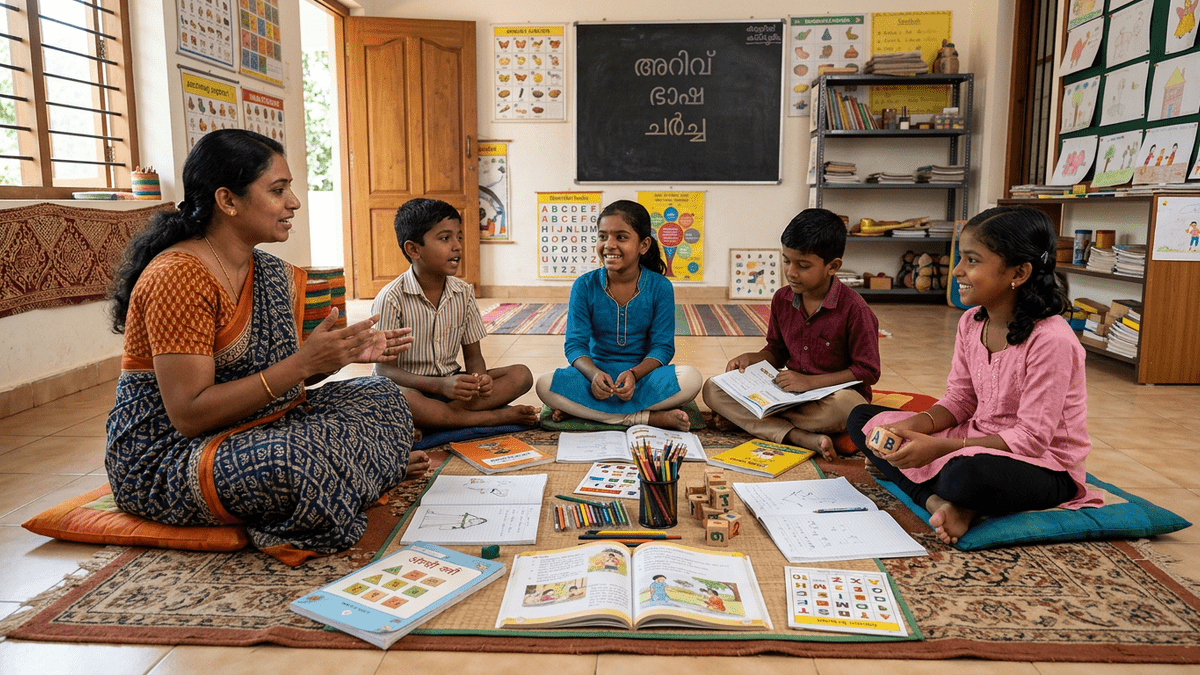
- Learning pods: Multiple families pooling resources with a trained educator
Don’t overthink this. Start with one subject using one curriculum. See what works. Adjust. Most families evolve their approach after three months anyway.
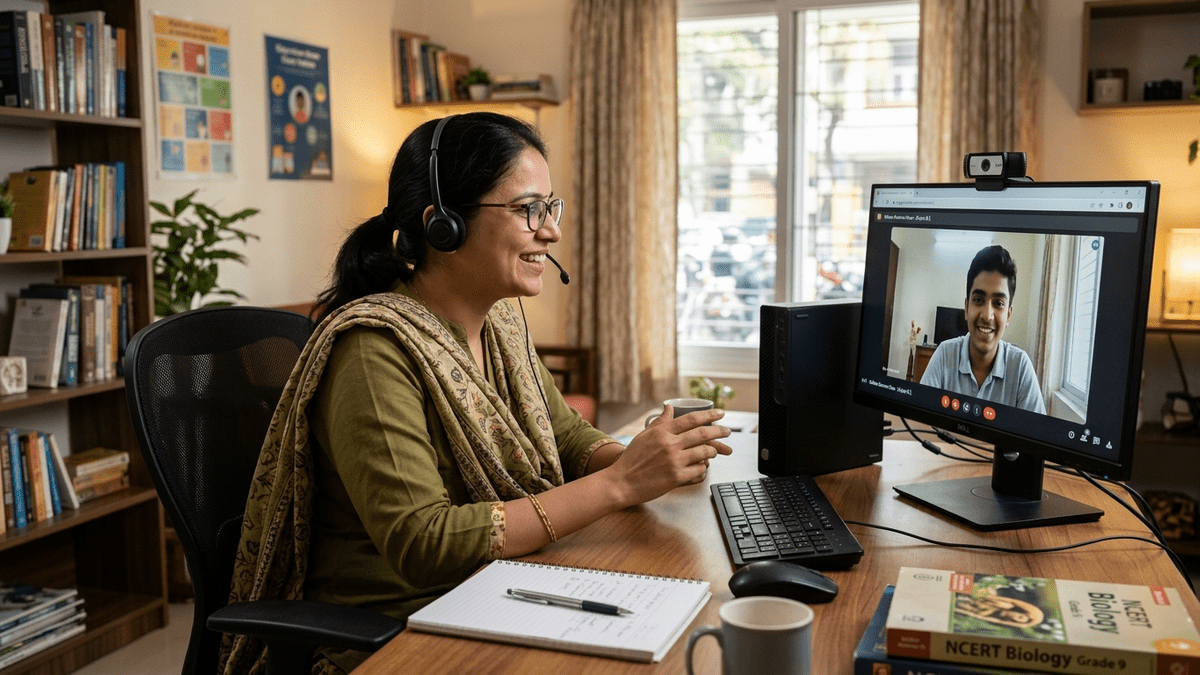
If you’re considering becoming an educator yourself, understand that digital literacy for tuition teachers is now essential. You need to know how to facilitate online learning, manage digital resources, and create engaging content. It’s learnable. It’s necessary.
The Learning Pod Model: Community Over Isolation
One of the biggest misconceptions: homeschooling means isolation. It doesn’t have to.
A learning pod (POD = Point of Digital Learning) is where 4-8 families share a trained educator in a home or community space. Kids get peer interaction, structured learning, and parents get flexibility. The educator guides without replacing parents.
This model is exploding in India because it solves the socialization concern while keeping costs reasonable. One trained educator can manage multiple children at different levels using the right technology and curriculum.
Running a pod requires: clear curriculum, reliable tech (APNA PC handles this), trained facilitator, and engaged parents. It’s not complicated. It’s just intentional.
Getting Started: Your First Steps
Stop waiting for the perfect plan. Here’s what actually works:
- Week 1: Decide your model (solo homeschool, online courses, learning pod)
- Week 2: Choose one curriculum or platform for your child’s main subjects
- Week 3: Set up your learning space with basic tech (APNA PC + internet connection)
- Week 4: Start. Imperfectly. Adjust as you go.
If you’re thinking bigger, running a learning pod or starting structured home education for other families, that’s where you create income while educating. You become an edupreneur. The infrastructure, curriculum knowledge, and digital tools are your competitive advantage.
The families choosing home education India in 2026 aren’t rebels. They’re pragmatists. They see that learning doesn’t need four walls and a bell schedule. They see that their child learns better with customized pacing. They see that community-based learning pods offer the best of both worlds.
Your move now: Are you starting for your own child, or are you ready to build something bigger? Either way, the infrastructure is affordable. The curriculum exists. The community is real.