
The education landscape in India is undergoing a quiet revolution. Parents are increasingly seeking alternatives to traditional schooling, and microschool India has emerged as a compelling option. Unlike conventional schools with hundreds of students, a microschool operates as a small group learning environment where personalized attention thrives. This shift reflects growing parent demand for quality education, flexible schedules, and community-driven learning experiences.
Understanding Microschool India and Its Growing Popularity
Microschool India represents a paradigm shift in how education is delivered. These are intimate learning environments, typically serving 15-40 students per batch, run by passionate educators in home-based or community spaces. Unlike traditional schools focused on mass education, microschool India prioritizes individualized learning paths, critical thinking, and skill development.
The appeal is straightforward. Parents want their children to receive attention from qualified educators. They want flexibility in timings and curriculum. They want accountability and transparency. A microschool delivers all three. Teachers know every student’s strengths, weaknesses, and learning pace. This personalized approach has proven effective across multiple studies on small group learning environments.
The rise of microschool India also reflects economic realities. Premium private schools charge Rs.2-5 lakhs annually. Many quality microschools operate at Rs.50,000-1,50,000 per year, making quality education accessible to middle-class families. This affordability, combined with superior learning outcomes, explains why parents are choosing microschools.
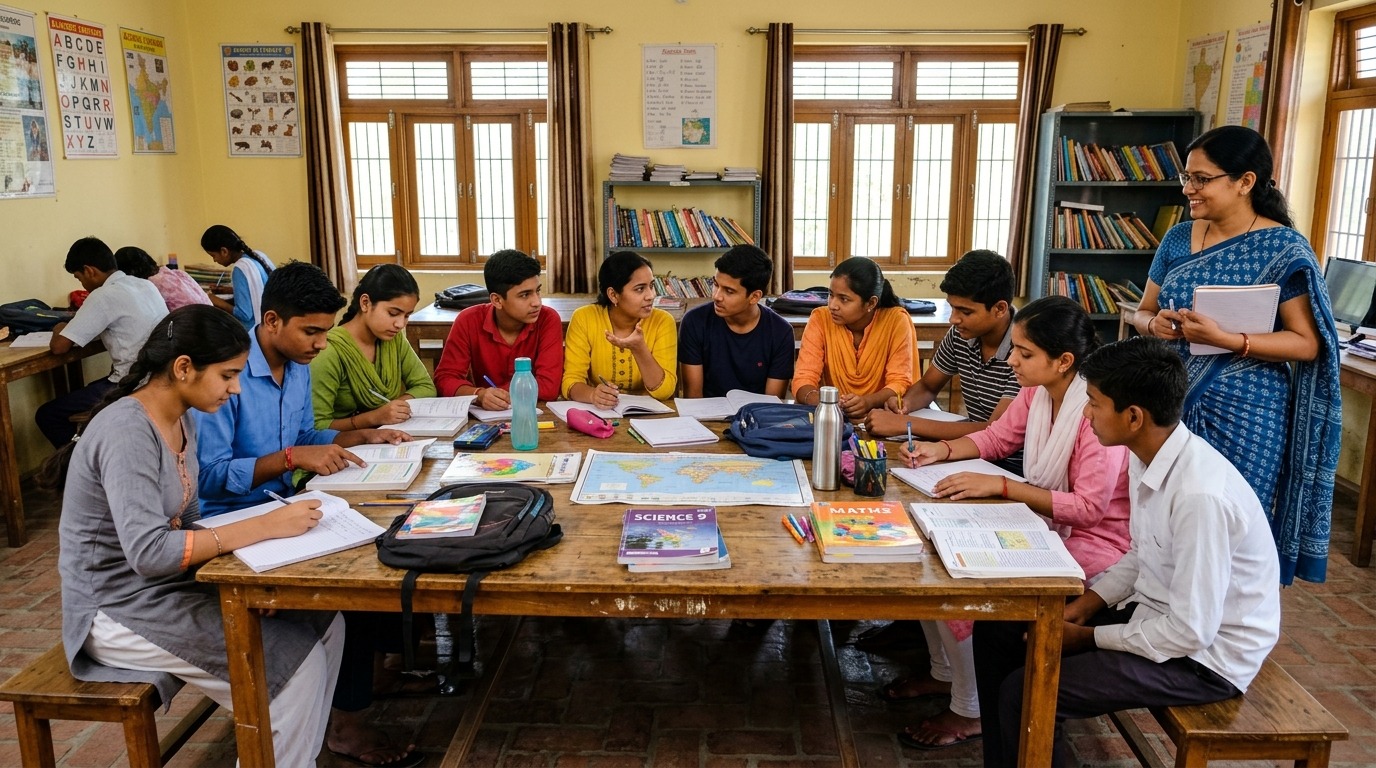
What Makes Microschool India Different: Small Group Learning Advantages
Small group learning sits at the heart of the microschool model. Research consistently shows that students in groups of 20 or fewer demonstrate better academic performance, higher engagement, and improved emotional well-being. In a microschool, every child receives individualized feedback, not generic comments on report cards.
Teachers in microschools can implement differentiated instruction effectively. A student struggling with mathematics receives targeted support while advanced learners pursue enrichment activities. This flexibility is impossible in classes of 50-60 students. Community learning center models amplify this benefit by creating safe, familiar spaces where children feel secure enough to ask questions and take intellectual risks.
The social-emotional benefits are equally significant. Small group learning reduces anxiety, builds confidence, and fosters genuine friendships. Students develop stronger relationships with peers and teachers, creating a supportive ecosystem for learning. This is particularly valuable for children with learning differences or those transitioning from traditional schools.
The Community Learning Center Model in Modern India
Community learning centers form the backbone of the microschool movement. These spaces, often home-based or in neighborhood facilities, serve as hubs for educational innovation. A community learning center isn’t just a classroom, it’s a reflection of local values, parental aspirations, and educator expertise.
The model encourages collaboration between educators, parents, and learners. Parents participate in curriculum decisions. Community members contribute expertise through workshops and mentoring. This collaborative approach creates accountability and ensures education remains relevant to local contexts. For more on community learning frameworks, see Community Learning on Wikipedia.
In India, community learning centers are leveraging digital tools effectively. Platforms like DIKSHA provide access to quality educational content, allowing microschools to combine personalized instruction with curated digital resources. This hybrid approach maximizes learning outcomes while maintaining the intimacy of small group learning.
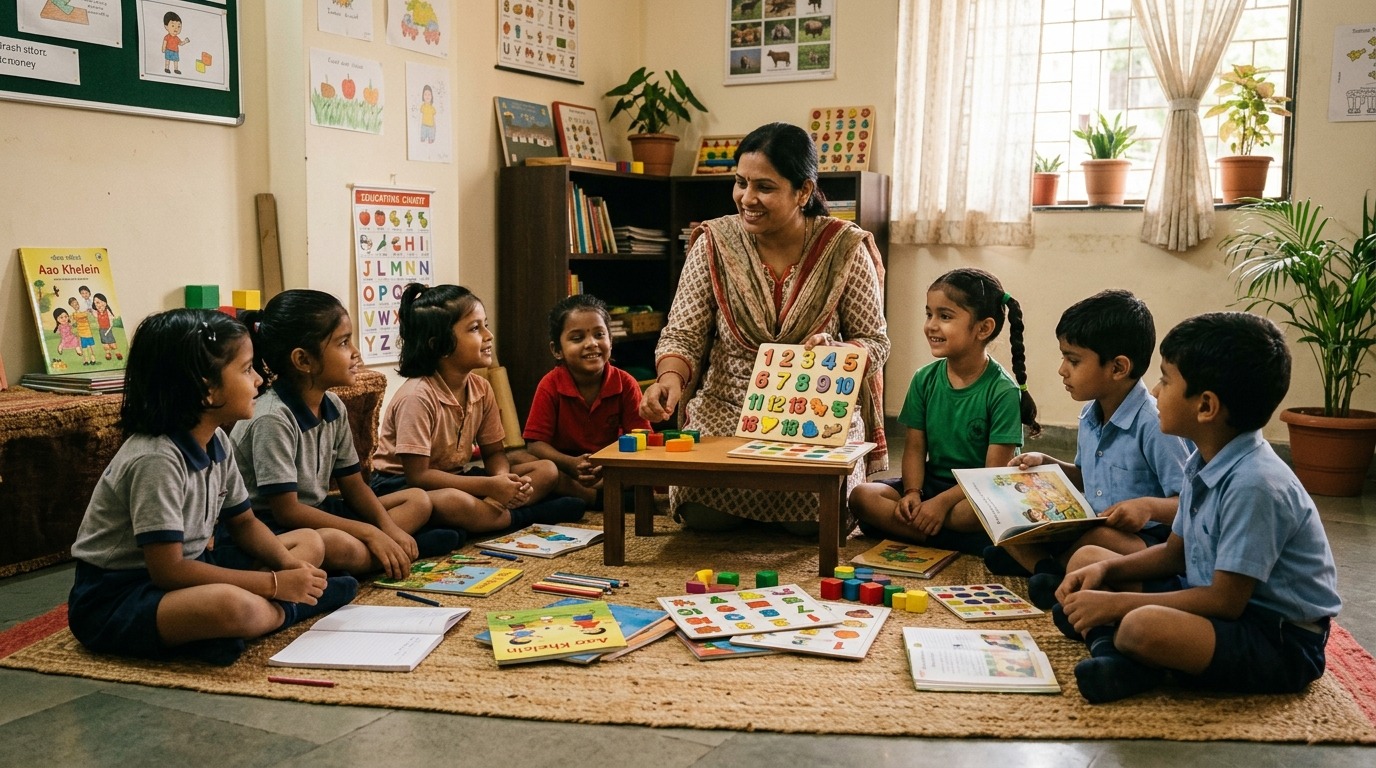
Why Indian Parents Are Choosing Microschools Over Traditional Schools
Several factors drive parent preference for microschools. First, transparency. In a microschool, parents know exactly what their child is learning, how they’re progressing, and what support they need. Communication is direct and frequent. Second, flexibility. Microschools often offer flexible schedules, allowing working parents to choose batch timings that suit their family.
Third, customization. Microschool India educators tailor instruction to individual learning styles. A child who learns better through project-based learning gets projects. A visual learner receives visual resources. This customization is impossible in standardized, one-size-fits-all traditional schooling.
Fourth, affordability. Quality education shouldn’t require massive fees. Microschools prove this by delivering excellent outcomes at fraction of traditional private school costs. Fifth, values alignment. Parents can choose microschools that reflect their educational philosophy, whether that’s STEM-focused, arts-integrated, or life-skills oriented.
Starting Your Own Microschool: The APNA PC Solution
Interested educators can launch their own microschool through TeachToEarn’s Learning POD program. The APNA PC bundle (Rs.30,000 complete bundle) provides everything needed to start a Point of Digital Learning center from home.
The APNA PC includes curriculum frameworks, digital learning tools, teacher training, and ongoing support. Educators receive guidance on creating engaging small group learning experiences, managing batches, and building sustainable businesses. The investment is minimal compared to potential returns. Many educators earn Rs.40,000-1,00,000 monthly running microschools with 2-3 batches.
Explore how Smart Classrooms India 2026 is reshaping educational delivery through technology integration and community-based models.
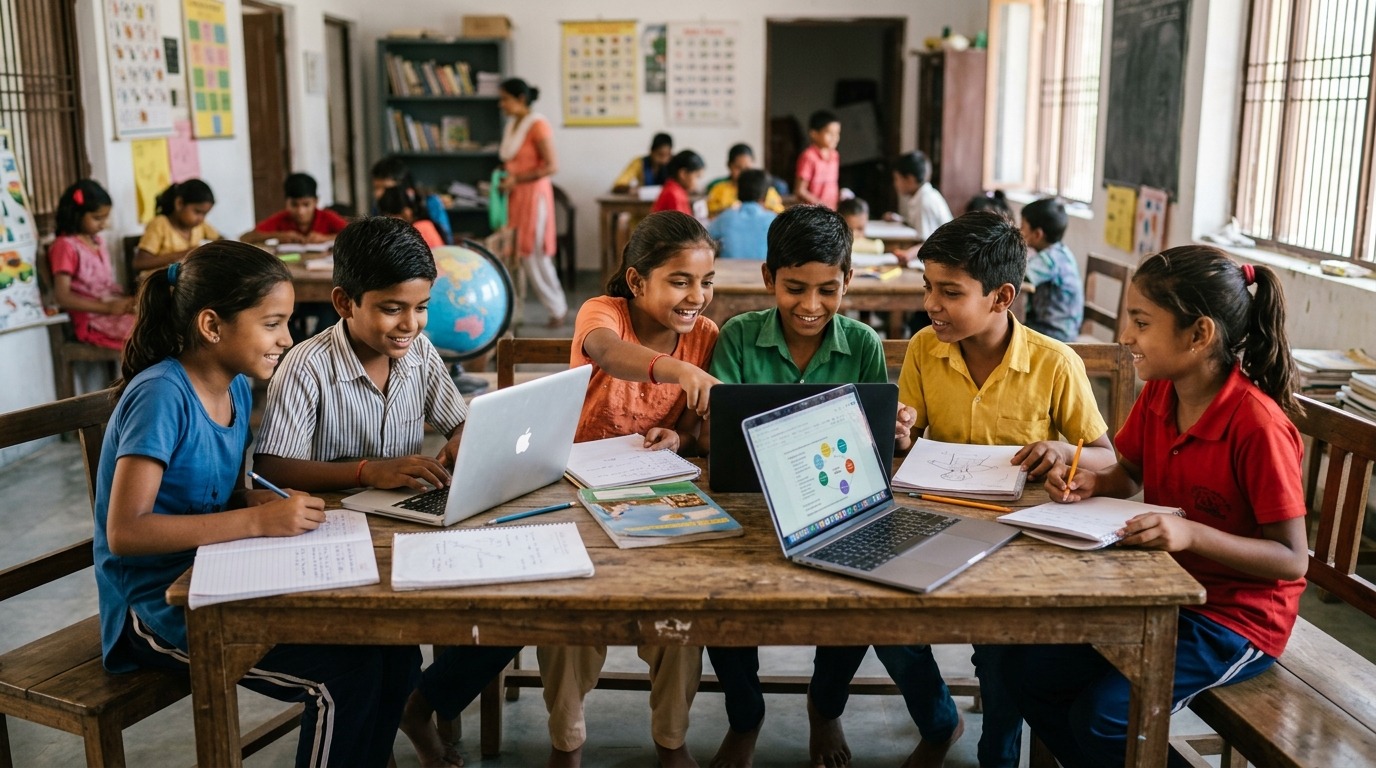
The Future of Microschool India
The microschool movement is accelerating. As more parents experience the benefits of small group learning and community learning centers, demand will only increase. Policy support from state governments recognizing home-based learning PODs is growing. Technology integration will make microschools even more effective.
The future of education in India isn’t massive, impersonal institutions. It’s intimate, personalized, technology-enabled learning spaces where every child thrives. Microschools represent this future.
Ready to transform education in your community? Start your own microschool today with TeachToEarn’s APNA PC bundle. Visit TeachToEarn to learn more about launching your Point of Digital Learning center and earning while empowering young learners through small group learning experiences.