

Why Vocabulary Building Skills at Home Matter for Student Success
A strong vocabulary forms the foundation of academic excellence. Students with robust language skills perform better across all subjects, from mathematics to science. When children understand more words, they comprehend texts faster, express ideas clearly, and build confidence in classroom participation.
According to the India Ministry of Education, language proficiency directly impacts overall academic performance. Home-based learning allows personalized pacing that traditional classrooms cannot always provide. Parents can tailor English vocabulary tips to their child’s learning style and interests, making vocabulary building skills at home both effective and enjoyable.
5 Proven Strategies for Vocabulary Building Skills at Home
1. Create a Word Wall in Your Learning Space
Designate a corner of your home as a vocabulary display area. Write new words with their meanings, synonyms, and example sentences on colorful cards. Change the words weekly to maintain freshness. This passive learning method works because children repeatedly encounter words in their daily environment, reinforcing retention naturally.
Involve your child in creating the word wall. Let them illustrate words, choose colors, and arrange cards. This active participation strengthens memory and makes learn new words at home feel like a creative project rather than homework.
2. Implement Daily Reading Routines
Reading remains the most effective method for natural vocabulary expansion. Dedicate 20-30 minutes daily to shared reading sessions. Start with age-appropriate books and gradually introduce more challenging texts. When your child encounters unfamiliar words, pause and discuss meanings contextually rather than jumping to dictionaries immediately.
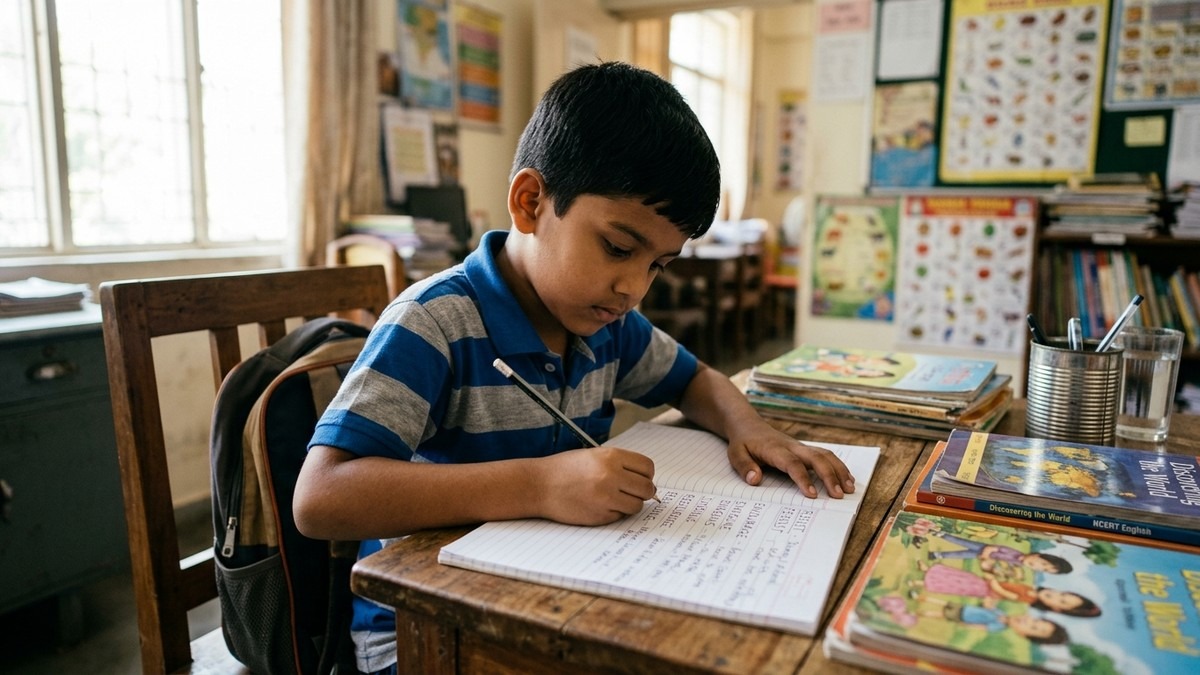
This approach helps students understand words through context clues, a critical skill for independent learning. Encourage your child to keep a reading journal noting new words discovered during reading sessions.
3. Use Storytelling and Conversation Games
Engage children in storytelling activities where they must use new vocabulary. Play word association games, rhyming challenges, and sentence-building activities during family meals. These interactive methods transform vocabulary building skills at home into social, enjoyable experiences that children actually want to participate in.
Games like “20 Questions,” “Taboo,” and “Word Charades” make learning competitive yet collaborative. Such activities develop both vocabulary and communication confidence simultaneously.
4. Leverage Technology and Digital Resources
Educational apps and online platforms offer interactive vocabulary lessons. Platforms provide gamified learning experiences where children earn points and badges while mastering English vocabulary tips. However, balance screen time with offline activities to ensure holistic development.
For home educators running a POD (Point of Digital Learning) center, APNA PC provides complete digital tools and resources to deliver structured vocabulary lessons. The Rs.30,000 complete bundle includes curriculum materials specifically designed for vocabulary instruction.
5. Connect Words to Real-Life Experiences
Label household items with vocabulary cards. During cooking, teach food-related words. During outdoor walks, discuss nature vocabulary. This contextual learning helps children understand that words connect to real experiences, making vocabulary meaningful rather than abstract.
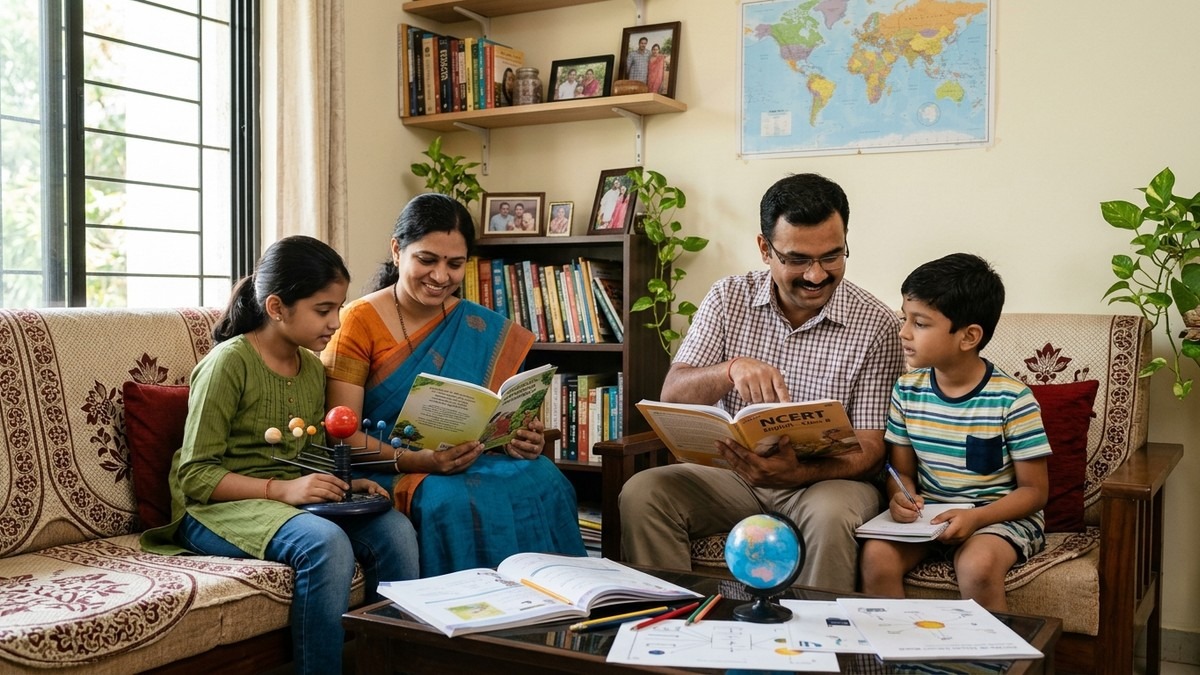
Take your child shopping and practice descriptive vocabulary. Ask them to describe products using adjectives, colors, textures, and sizes. This practical approach reinforces that learning new words at home happens everywhere, not just in formal study sessions.
Setting Up Your Home Learning Environment for Vocabulary Success
Your physical learning space significantly impacts vocabulary building skills at home. Check our detailed guide on Learning Space Home Tips for comprehensive setup instructions. Ensure adequate lighting, minimal distractions, and organized storage for books and learning materials.
Create different zones: a reading corner with cushions and books, a writing desk for vocabulary practice, and a display area for word walls. This structured environment signals to children that this space is dedicated to learning, helping them focus better.
Tracking Progress in Vocabulary Building Skills at Home
Maintain a vocabulary journal where your child records new words weekly. Include the word, definition, pronunciation guide, and a sentence example. Review previous entries regularly to reinforce retention. This practice helps children see their progress, building motivation and confidence.
Set realistic goals, such as learning 5-10 new words weekly. Celebrate achievements with small rewards or special privileges. Positive reinforcement encourages children to engage actively in vocabulary building skills at home.
Scaling Your Home Learning: From Parent to POD Educator
Many parents discover they excel at teaching and want to expand their efforts. If you’re considering running a home-based learning center, explore our Homeschooling India Guide for comprehensive information. Starting a POD allows you to serve multiple students while earning income.
APNA PC provides everything you need: structured curriculum, digital learning tools, assessment resources, and parent communication platforms. The Rs.30,000 complete bundle includes vocabulary-building curriculum specifically designed for Indian students, making it easy to deliver quality instruction to multiple learners simultaneously.
Ready to transform your home into a professional learning center? Start your journey with APNA PC today. Our complete Rs.30,000 bundle includes everything needed to launch your POD successfully. Whether you’re teaching your own children or building a thriving learning center, APNA PC empowers you with proven curriculum, digital tools, and ongoing support. Start your home learning center with APNA PC and begin earning while making a real difference in students’ lives. Join thousands of successful home educators across India who are transforming education delivery through PODs powered by APNA PC.