Understanding Homeschooling vs Traditional School in India
Traditional schools have been India’s educational backbone for generations. They provide structured curricula, certified teachers, and peer interaction within established frameworks. Homeschooling vs traditional school comparisons reveal that traditional institutions offer standardized education across states, regulated by the Ministry of Education. However, homeschooling represents a personalized alternative gaining traction among Indian families seeking flexibility and customized learning experiences.
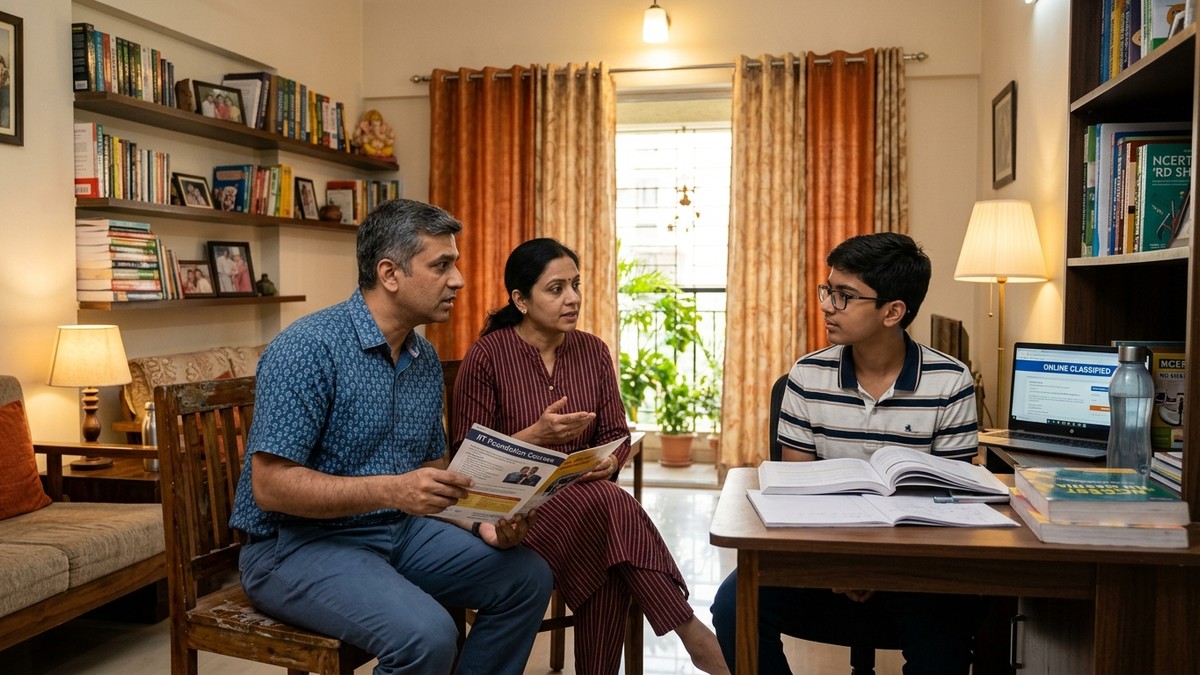
Homeschooling allows parents to tailor education to their child’s pace, interests, and learning needs. This model emphasizes individual attention and adaptive teaching methods. Many Indian parents now recognize homeschooling india benefits including reduced academic pressure, stronger family bonds, and freedom from rigid schedules. The choice between these models depends on your family’s priorities, resources, and educational philosophy.
Academic Performance: Homeschooling vs Traditional School Outcomes
Research shows both models can produce academically successful students. Traditional schools provide standardized testing frameworks and competitive environments that prepare students for board exams like CBSE and ICSE. Students benefit from subject-specialist teachers and structured laboratory facilities.
Homeschooling students often demonstrate strong self-directed learning habits and deeper subject comprehension. Without classroom distractions, learners progress at their optimal pace. Indian homeschooled children frequently excel in competitive exams when parents employ quality curricula and structured study plans. The key differentiator isn’t the model itself but the quality of instruction and parental involvement in home education vs school india scenarios.
Socialization and Peer Interaction
Traditional schools naturally facilitate peer interaction through daily classroom contact, sports, clubs, and group projects. This environment develops social skills, teamwork abilities, and friendship networks crucial for adolescent development.
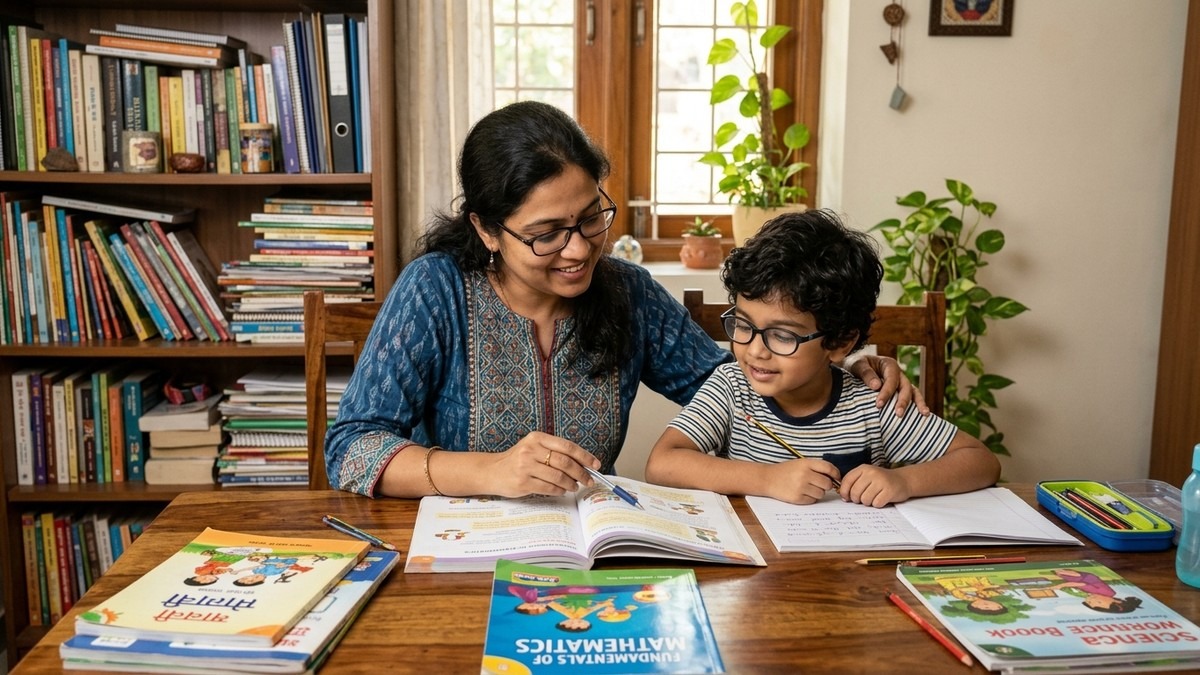
Homeschooled children access socialization through community centers, sports clubs, music classes, and structured group activities. Parents must intentionally create social opportunities. Many Indian homeschooling families join learning communities and POD centers for collaborative learning experiences. While different from traditional school socialization, purposeful social engagement can be equally effective when parents prioritize these interactions.
Cost Comparison and Financial Implications
Traditional private schools in India charge tuition fees ranging from Rs.50,000 to Rs.3,00,000+ annually, plus uniforms, transportation, and extra classes. Quality education becomes financially burdensome for many families.
Homeschooling reduces direct tuition costs but requires investment in curriculum materials, educational resources, and parental time. Emerging solutions like APNA PC (Rs.30,000 complete bundle) enable parents to establish home learning centers (PODs) without massive infrastructure investments. This affordable model democratizes quality education access while allowing families to earn through community learning centers. Homeschooling vs traditional school cost analysis increasingly favors flexible, technology-enabled home-based models for budget-conscious Indian families.
Flexibility and Customization Benefits
Traditional schools follow fixed academic calendars and standardized curricula. Students progress through predetermined subjects at scheduled paces regardless of individual readiness.
Homeschooling and POD-based learning offer unprecedented flexibility. Children learn at optimal paces, pursue passionate interests deeply, and adjust schedules for family needs. Homeschooling india benefits include customized learning pathways, integration of cultural values, and accommodation of sports or artistic pursuits. Parents can emphasize practical skills, entrepreneurship, or specialized subjects aligned with their child’s talents and future aspirations.
Teacher Quality and Instructional Support
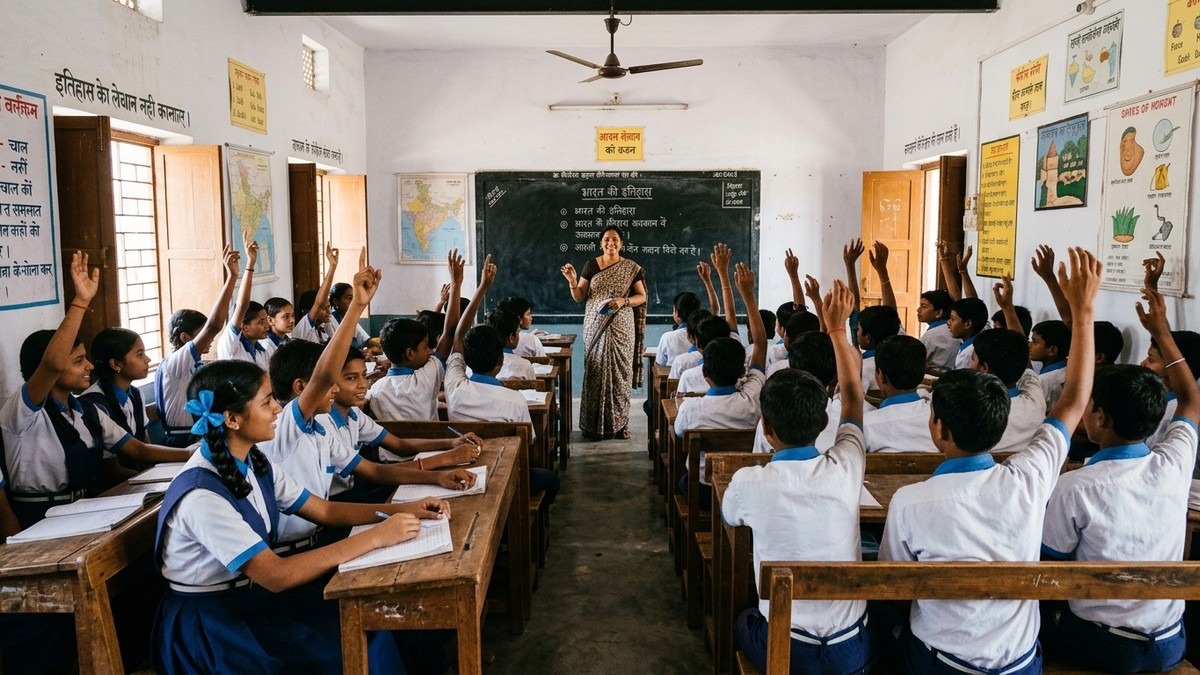
Traditional schools employ certified teachers with subject expertise and pedagogical training. However, teacher quality varies significantly across institutions. Large class sizes (40-50 students) limit individual attention.
Homeschooling success depends heavily on parental knowledge and teaching ability. Parents needn’t be expert teachers but require commitment to continuous learning and access to quality resources. POD models bridge this gap by combining parental involvement with trained facilitators and structured curricula. APNA PC provides comprehensive training, digital content, and community support, enabling effective home-based instruction without requiring parents to possess advanced subject expertise.
Making Your Decision: Key Considerations
Evaluate your family’s priorities: academic excellence, social development, financial capacity, parental availability, and learning style compatibility. Consider your child’s personality, independence level, and social needs. Traditional schools suit children thriving in structured environments with diverse peer groups. Homeschooling benefits self-motivated learners and families valuing customization and flexibility.
Many Indian families now choose hybrid approaches through POD centers, which combine homeschooling benefits with community learning experiences. Why Parents Choose Microschools explores this emerging middle ground gaining popularity across India.
For comprehensive guidance on implementing homeschooling successfully, explore our Homeschooling India Guide.
Start Your Home Learning Center Today
The decision between homeschooling vs traditional school need not be binary. You can create a thriving learning community combining personalized education with peer interaction. APNA PC (Rs.30,000 complete bundle) empowers you to establish your own POD (Point of Digital Learning), serving your child and neighborhood families while generating income. This affordable, comprehensive solution includes curriculum materials, digital tools, training, and ongoing support. Transform your home into an educational hub delivering quality learning experiences at a fraction of traditional school costs. Start your home learning center with APNA PC today and join thousands of Indian educators revolutionizing how children learn.