
Parents Stop Showing Up. Here’s Why Your Learning Pod Fails.
A mother enrolls her child in your learning pod. She’s excited. She attends the first parent meeting. Then silence. Two months later, she pulls her kid out.
You know this story. Most learning pod educators do. The problem isn’t your teaching. It’s not the curriculum either. Here’s the truth: you stopped communicating with parents after week two.
Parent engagement in learning pods isn’t a nice-to-have. It’s the difference between a thriving community learning centre and one that collapses by Term 2. Let’s be honest – parents are your business. Without them, you have no students. Without ongoing connection, you have no retention.
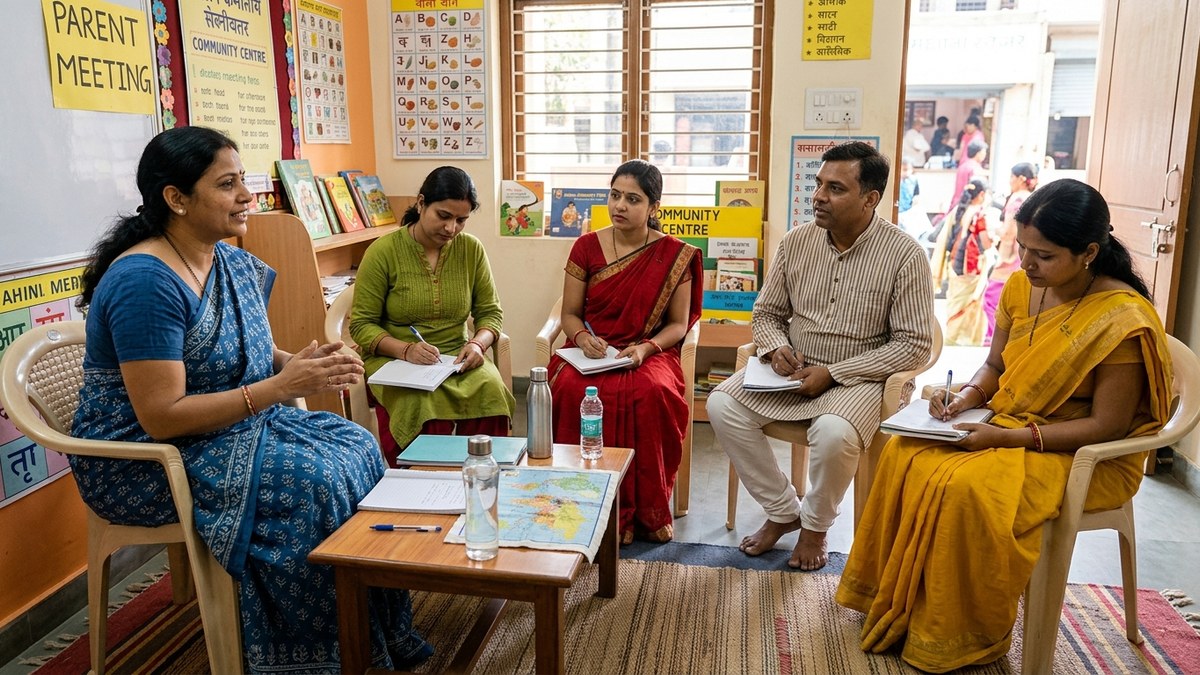
Most people don’t realise that parent engagement in learning pod success depends on three things: consistent communication, visible progress, and making parents feel like partners, not just bill-payers.
Key Takeaways
- To keep parents engaged in a learning pod, you must keep communicating after the first few weeks, since silence is a common reason families quietly withdraw.
- Treat parents as partners and co-educators, not just fee payers, and they become your strongest source of retention and referrals.
- A steady rhythm works best: short weekly progress notes, brief monthly one-to-one calls, group WhatsApp updates and a quarterly meeting.
- Specific updates about what a child actually did build far more trust than vague remarks like satisfactory progress.
- A proper computer setup lets you keep digital progress records and share reports quickly without drowning in manual work.
Stop Treating Parents Like ATMs
Parents aren’t just funding your operation. They’re co-educators. They’re your marketing team. They’re your retention strategy.
When you ignore them between fee collection and report cards, they feel invisible. They wonder if their money is being spent wisely. They compare you to other tuition centres. They leave.
Instead, build a real relationship. Here’s what works:
- Weekly progress notes – Not formal reports. Real updates. “Aarav solved 15 maths problems without help today” hits different than “Satisfactory progress.”
- Monthly parent calls – 10 minutes. One-on-one. Ask about home learning. Share specific wins. Listen to concerns.
- Group WhatsApp updates – Share classroom moments. Celebrate milestones. Build community feeling. Make parents feel part of something.
- Quarterly parent meetings – In-person or video. Show data. Discuss challenges. Ask for feedback. Adjust based on what you hear.
- Parent learning sessions – Teach parents how to help at home. Show them the teaching methods you use. Empower them.
This isn’t extra work. This is your business model working correctly.
Communication Without Technology Is Dead
You can’t manage parent engagement with a notebook and phone calls alone. Not anymore. Not if you want to scale.
Here’s what you need: a reliable system to track student progress, share reports instantly, and keep parents updated without drowning in manual work. This is where your infrastructure matters.
When you have APNA PC – the Rs.30,000 complete bundle with education software, 3-year warranty, and all hardware included – you get a professional setup that runs your learning pod smoothly. The software lets you upload progress reports, send automated parent notifications, and maintain records that parents can access anytime. No more “I’ll send the report tomorrow.” It’s done today.
Parents see progress in real-time. They feel informed. They stay engaged. They renew their enrollment.
Check our learning pod setup guide to understand what infrastructure actually supports parent engagement.
Make Progress Visible. Always.
Parents don’t care about effort. They care about results. Show them results.
- Monthly progress dashboards – grades, attendance, skills mastered
- Before-and-after samples – writing, maths, problem-solving
- Video clips of learning moments – kids presenting projects, solving problems
- Comparison reports – “Priya improved from 40% to 72% in 3 months”
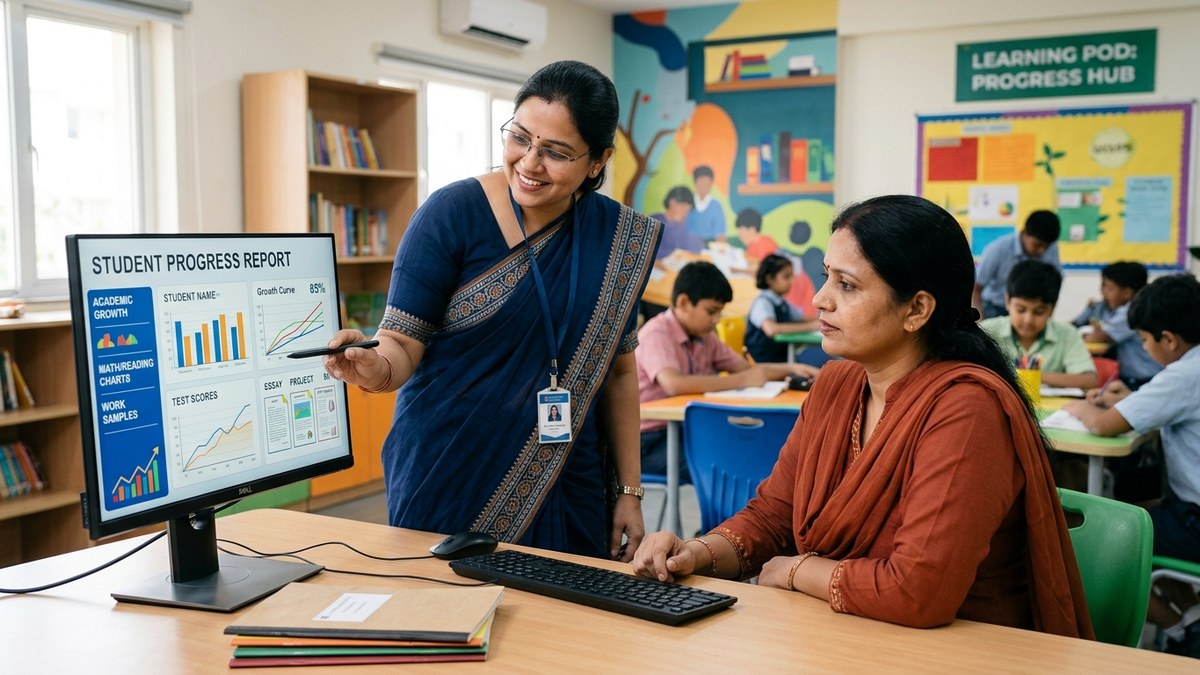
When parents see their child improving, they don’t just stay. They refer other families. They become your unpaid marketing team.
Create a Parent Community, Not Just a Class
The learning pods that thrive long-term aren’t just educational spaces. They’re communities. Parents know each other. They support each other. They feel invested.
Run monthly parent coffee sessions. Host student showcases where kids present what they’ve learned. Create a parent WhatsApp group where they share parenting tips. Celebrate student birthdays. Recognize parent contributions.
This sounds soft. It’s not. It’s retention strategy disguised as warmth.
When a parent feels like they’re part of a community, they don’t leave when another tuition centre opens nearby. Community is sticky.
Handle Concerns Before They Become Complaints
Parents have doubts. That’s normal. If you ignore those doubts, they fester. They become reasons to quit.
Instead, surface concerns early. Ask directly: “How do you feel about the pace? Is there anything you’re worried about?” Create space for honest feedback. Then actually respond to it.
If a parent says their child is struggling with concepts, don’t defend your teaching. Problem-solve together. Adjust the approach. Show the parent you’re listening.
This turns potential dropouts into loyal families who stick with you for years.
The Real Truth About Long-Term Parent Engagement
Most educators think parent engagement means getting parents to attend meetings. Wrong. It means parents feeling like their child’s success is your genuine priority. It means consistent, honest communication. It means treating the parent relationship like the business asset it actually is.
Read our detailed parent engagement tips for specific strategies you can implement this week.
Want to understand the broader context? Check the Education in India overview and the Ministry of Education guidelines on community learning models.
The learning pods that survive and grow aren’t the ones with the fanciest curriculum. They’re the ones where parents feel heard, informed, and genuinely part of their child’s learning journey.
Start today. Pick one communication strategy from this post. Implement it this week. Watch what happens.
Ready to build a learning pod that parents actually want to stay in? Start your learning pod with TeachToEarn and get the full support system, including technology infrastructure and proven engagement frameworks.
Frequently Asked Questions About Keep parents engaged in a learning pod
Why do parents lose interest in a learning pod?
Parents usually drift away when they stop hearing about their child’s progress after the first few weeks. Without updates they cannot see the value of what they pay for, so they start comparing you with other options. Regular, specific communication prevents this.
How often should a learning pod educator update parents?
A simple rhythm works well: a short note every week, a ten minute call every month and a review meeting every term. Group updates on WhatsApp can fill the gaps with photos and small wins. Consistency matters more than length.
What should a weekly progress note to parents include?
Mention one specific thing the child did well, one area being worked on and one small way parents can help at home. Keep it short and in plain language. Concrete examples show that you truly know their child.
How can parents help learning pod children at home?
Parents can keep a fixed study time, ask the child to explain what they learned that day and check that homework is finished. Educators can run short parent sessions to show the methods used in the pod. This makes home and pod learning work together.
What tools help manage parent communication in a learning pod?
WhatsApp groups handle quick updates, while Google Forms or a simple spreadsheet can track attendance and progress. Keeping reports on a shared computer makes it easy to send them to parents on time. A computer handles these documents far better than a phone.
India’s National Education Policy 2020 encourages schools and communities to involve parents and families in children’s learning, recognising home support as an important part of a child’s education.