
Your Resume Starts at Home, Not in a Classroom
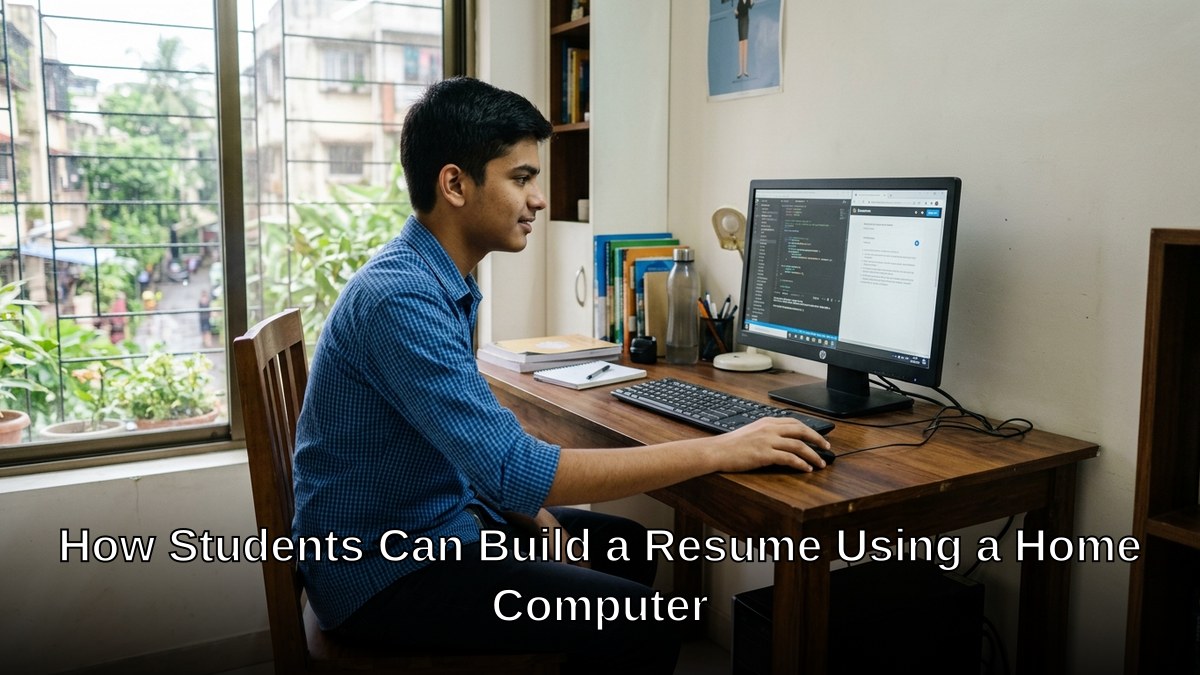
Most people do not realise that a resume is built, not written. You do not wake up one morning with impressive skills listed on paper. You build them. Day by day. Project by project. And here is the truth: you can start building a resume using a home computer right now, even if you live in a small town with limited resources.
The resume building process has changed. Employers no longer just want to see your marks or your degree. They want proof. They want to see what you have actually done. What problems you have solved. What digital skills you possess. This is where having access to a computer at home becomes your secret weapon.
Key Takeaways
- Students can build a resume using a home computer by treating it as something built project by project, not written in one sitting from memory.
- A handwritten resume no longer works in 2026; employers expect candidates to use word processing software and present clean, formatted documents.
- Building a resume on a computer demonstrates real digital skills at the same time: word processing, presentations, file organization, spreadsheets and digital communication.
- Employers increasingly want proof of what a student has actually done, not just marks or a degree, so a computer-built resume can showcase real projects and work samples.
- A shared home computer gives students repeated practice at these resume-building skills, which a phone cannot support for proper document formatting and file management.
Why Resume Building Requires Digital Skills
Let us be honest: a handwritten resume in 2026 will not get you anywhere. Employers expect you to know how to use a computer. They expect you to create documents. They expect you to understand basic software. These are not optional skills anymore. They are baseline requirements.
When you build a resume on a computer, you are already demonstrating competence. You are showing that you can:
- Use word processing software to format professional documents
- Create presentations to showcase your work and projects
- Manage files and organize your digital portfolio
- Understand spreadsheets for data management and analysis
- Communicate effectively through digital platforms
These digital skills are exactly what employers are looking for. And the best part? You can learn all of this at home with the right setup.
Building Your Resume Project by Project
Here is what most students miss: your resume does not need to be built from paid internships or corporate experience. You can build it through projects you complete at home.
With a home computer, you can:
- Create a digital portfolio showing design work, writing samples, or coding projects
- Complete online certifications in areas like digital marketing, data entry, or graphic design through platforms like DIKSHA digital learning platform
- Develop freelance experience by taking small projects on platforms that pay for work
- Build content such as blogs, videos, or social media posts that demonstrate your expertise
- Learn specialized skills through structured courses that come with certificates
Each of these projects becomes a line item on your resume. Each certificate becomes proof of your capability. Each project becomes something you can talk about in an interview.
The Role of Digital Skill Certifications
Employers trust certificates. Not because certificates prove everything, but because they prove you completed something. You showed up. You learned. You passed an assessment.
When you are building your resume, digital skill certifications are your fast track to credibility. They fill gaps. They prove specific competencies. They show that you are serious about your career.
The good news: most quality certifications can be completed from home. You do not need to travel to a big city. You do not need to pay thousands of rupees. You just need a computer and internet.
Data Entry and Administrative Skills: Your Entry Point
If you are starting from zero, data entry is one of the fastest ways to build both experience and resume credentials. It teaches you accuracy, speed, and attention to detail. It teaches you to work with spreadsheets and databases. It teaches you to meet deadlines.
Our data entry career guide walks through exactly how students like you can start earning while building verifiable experience. This is not theoretical. This is real work that goes on your resume.
Many employers specifically look for candidates with data entry background because they know what it means: discipline, reliability, and technical competence.
The Computer Setup That Makes Resume Building Possible
Here is the barrier most students face: they do not have access to a decent computer. They share a family laptop. They use their phone for everything. This limits what they can do and what they can learn.
This is why APNA PC exists. It is a complete bundle designed specifically for students and job seekers in India who want to build real skills and real resumes. For Rs.30,000, you get everything: a Mini PC with i3 7th Gen processor, 8GB RAM, 128GB SSD, monitor, keyboard, mouse, webcam, headset, education software, 3-year warranty, and installation support.
That is not just a computer. That is your resume building station. That is your gateway to digital skill certifications. That is your platform for completing projects and earning credentials.
When you own the setup, you own your learning. You can practice whenever you want. You can complete courses at your own pace. You can build a portfolio that is actually yours.
Learning at a Point of Digital Learning
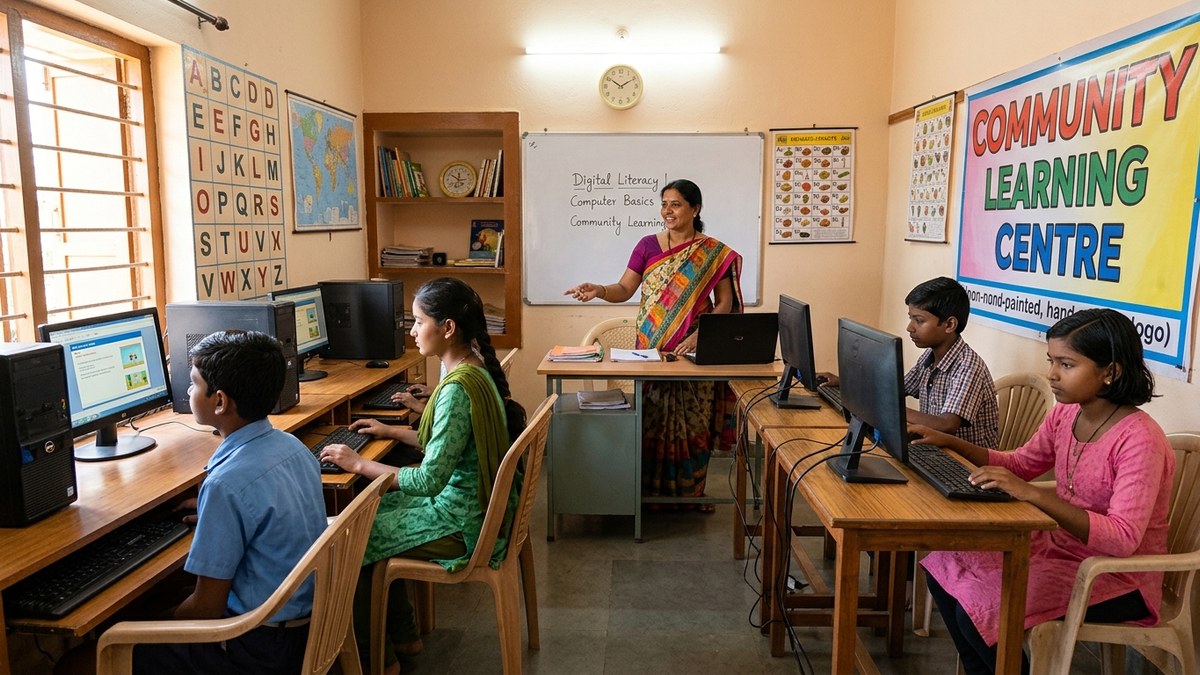
You do not have to figure this out alone. A Point of Digital Learning (POD) is a community learning centre run by a trained educator. It is a physical space where you can go to learn, get guidance, and stay accountable.
Many PODs operate in small towns across India. They provide structured courses, hands-on training, and mentorship. They help you navigate the exact path from zero skills to a resume that actually impresses employers.
Combined with a home computer setup like APNA PC, a POD becomes your complete learning ecosystem. You learn structured skills at the centre. You practice and build projects at home. Your resume grows stronger every week.
Start Now, Not When You Are Ready
Most students wait. They wait for the perfect time. They wait until they have saved enough money. They wait until they finish school. They wait until they feel ready.
Here is the truth: you will never feel completely ready. But you can start today.
Resume building is not a one-time event. It is an ongoing process. The sooner you start, the more you have to show employers. The more projects you complete. The more certificates you earn. The more experience you accumulate.
A home computer is your starting point. Digital skill certifications are your proof. Projects are your evidence. Together, they build a resume that opens doors.
Your resume does not start when you finish school. It starts when you decide to build it. And that decision can happen today, from your home, with the right setup and the right guidance.
Ready to build your resume? Explore how APNA PC can be your complete resume building solution. Visit APNA PC to learn more about the bundle and how to get started.
Frequently Asked Questions About Build a resume using a home computer
What is the first step to building a resume on a home computer?
Start by listing actual things you have done, projects, coursework, part-time work or volunteering, before worrying about formatting. Then use word processing software to organize this into clean sections like education, skills and experience, saving the file properly so you can update it later.
Why do employers prefer a computer-made resume over a handwritten one?
A handwritten resume signals a lack of basic digital skills that nearly every job now requires. A properly formatted document made on a computer shows you can already use the software tools most workplaces rely on daily.
What digital skills does resume building actually teach a student?
It builds comfort with word processing software for formatting, presentation tools for showcasing projects, file management for organizing a digital portfolio, spreadsheets for tracking applications, and digital communication for sending applications professionally.
Can a student build a good resume using only a phone?
It is difficult. Proper formatting, managing multiple document versions and attaching work samples are all easier with a keyboard and full screen. A shared home computer makes the process faster and the final result look more professional.
Should a student’s resume include projects done at home, not just school marks?
Yes. Employers increasingly want proof of actual ability, not just board exam scores. Projects built at home, whether a coding exercise, a design piece or organized research work, show demonstrated skill that marks alone cannot convey.
India’s National Education Policy 2020 stresses practical, skill-based learning alongside academics, supporting the shift toward resumes that show demonstrated ability rather than marks alone.