
The Microschool Movement is Quietly Reshaping Indian Education
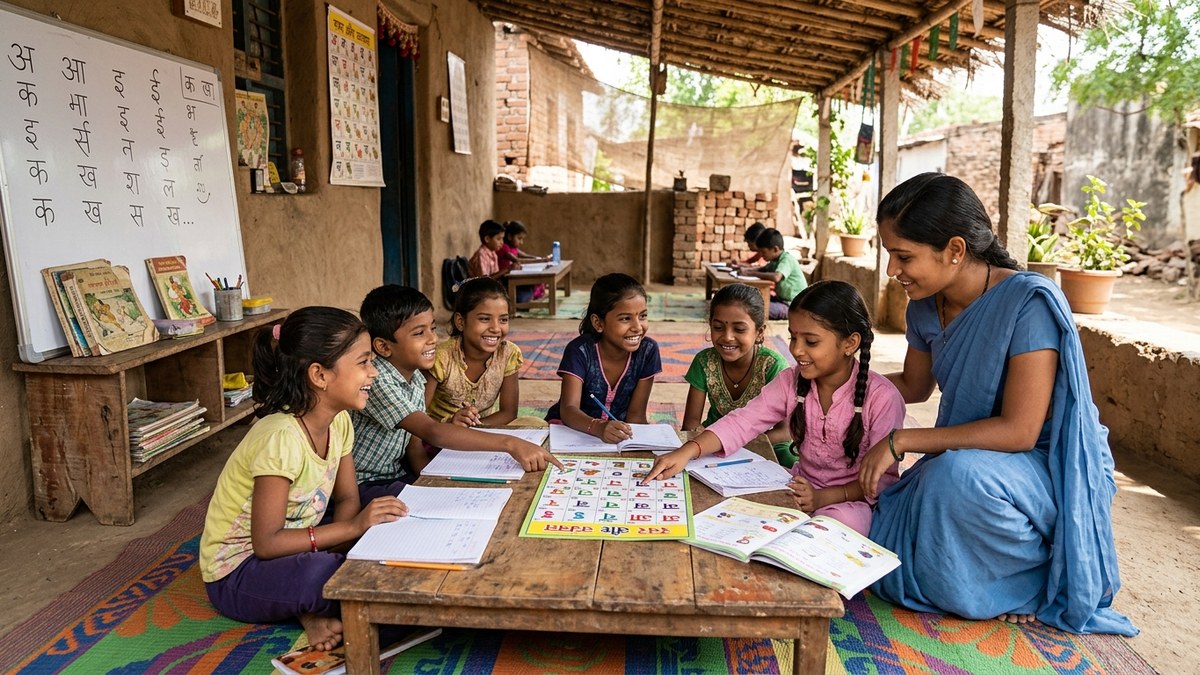
You do not need a building. You do not need permission from the government. You do not need a massive investment to start educating children and earning well. A microschool in India is exactly what it sounds like: a small, intimate learning space run by you, serving 15-30 students instead of 500. It is happening in living rooms, converted shops, community centres, and rented spaces across urban and semi-urban India right now.
Here is the truth: the traditional tuition centre model is dying. Parents are tired of crowded classrooms where their child is one of forty faces. Teachers are tired of burning out. The Indian education system produces students who can pass exams but cannot think. A microschool fixes all three problems at once.
This is not a blog post about disruption or innovation jargon. This is about real money, real impact, and real opportunity for edupreneurs, tuition teachers, homemakers, and retired professionals who want to build something meaningful.
What is a Microschool, Really?
Let us be honest: most people confuse microschools with tuition centres. They are different animals.
A tuition centre supplements school education. A microschool is the primary learning environment. It typically serves one or two age groups. Classes are small, personalized, and focused on actual skill-building, not just board exam preparation. You design the curriculum. You set the pace. You measure real progress, not just marks.
In India, a microschool often operates as a Point of Digital Learning (POD). This means you run a home or community learning centre with trained educators using structured curriculum and technology. You are not replacing school. You are offering an alternative that actually works.
The Business Model That Actually Works
Most people do not realise how profitable a small school can be. Here is the math:
- 20 students at Rs.3,000 per month = Rs.60,000 monthly revenue
- Your rent: Rs.10,000-15,000
- Your salary: Rs.20,000-25,000
- Staff (if needed): Rs.10,000-15,000
- Materials and operations: Rs.5,000
- Net profit: Rs.10,000-15,000 per month, minimum
Scale to 30 students and you are looking at Rs.20,000-30,000 monthly profit while working from a single room. This is not theory. This is what educators across India are doing right now with microschools.
The startup cost is low. You need a space, basic furniture, learning materials, and technology. That is it. You do not need fancy infrastructure or complex administration.
Why Technology Matters (But Not How You Think)
Here is where most microschool operators fail: they think technology means replacing teachers with screens. Wrong. Technology is a tool for organization, assessment, and engagement. It frees you from paperwork so you can focus on teaching.
APNA PC is built exactly for this. It is a complete bundle at Rs.30,000 that includes education software, a Mini PC (i3 7th Gen, 8GB RAM, 128GB SSD), monitor, keyboard, mouse, webcam, headset, 3-year warranty, and installation. One device handles your entire digital infrastructure: student records, attendance, assessments, parent communication, billing.
You get digital billing capability without the complexity. You get accessible learning tools that work for diverse learners. You get a system that scales with you.
Who Should Start a Microschool in India?
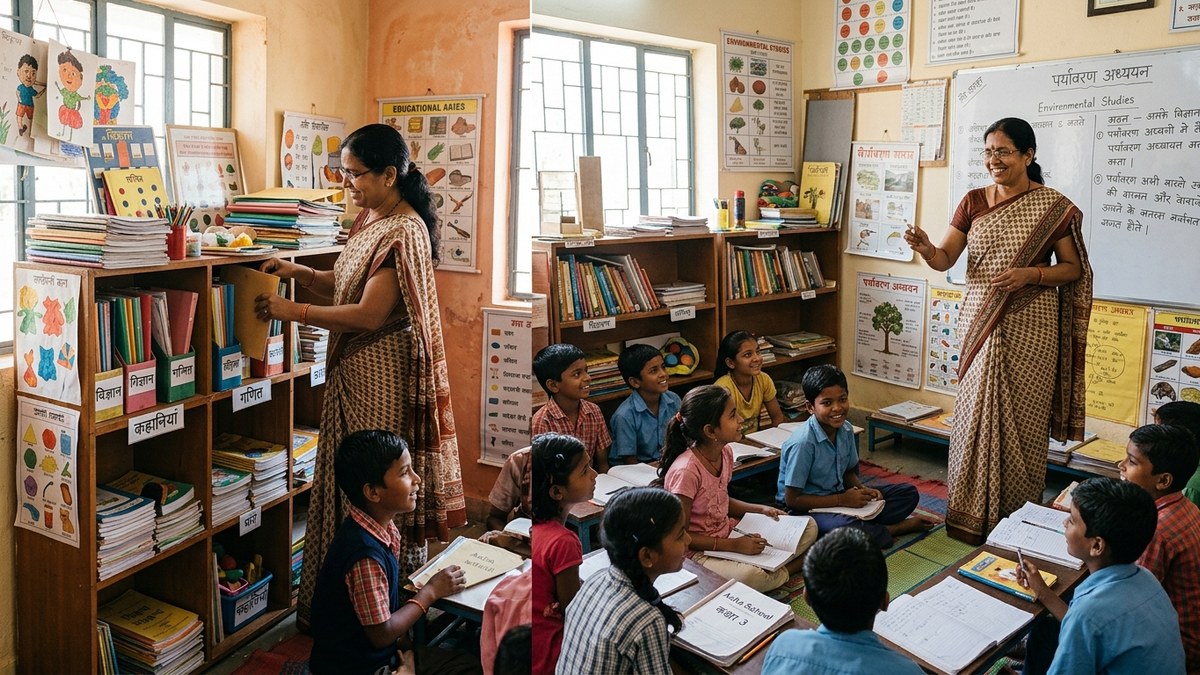
Tuition teachers tired of working for centres that take 40% commission. Retired teachers who want to stay active and earn. Homemakers with teaching background looking for flexible income. Anyone with subject expertise and patience for small groups.
You do not need an MBA. You do not need a business plan. You need clarity on three things: what you will teach, who you will teach, and how you will charge. Everything else follows from that.
The Regulatory Reality
Most microschools operate under the radar as tuition centres or learning pods. This is not illegal. The Ministry of Education recognizes learning centres as legitimate educational infrastructure. The Digital India programme actively supports digital literacy initiatives in communities.
As a POD operator, you are contributing to India’s educational ecosystem while staying compliant. You register as a proprietor or partnership. You maintain basic records. You deliver quality education. That is the contract.
Start Small, Build Steady
Do not aim for 100 students in year one. Start with 10-15. Build reputation. Refine your process. Invest in better materials and technology. Expand gradually. This is how sustainable microschools grow.
Your first cohort will be your best marketing. Parents talk. Word spreads. By year two, you will have a waiting list.
The microschool movement in India is not hype. It is a direct response to a broken system. Parents want better. Teachers want autonomy. Children need real learning. Microschools deliver all three while generating income for the educator.
You have the skills. You have the opportunity. The question is whether you will act on it.
Ready to start? Learn how to launch your own learning pod with proven systems and support. Start your microschool journey today.