Homeschooling in India: The Legal Truth Nobody Tells You
Your child does not need to sit in a classroom to get a valid education in India. Homeschooling in India is legal, recognized, and growing faster than most people realize. Yet confusion persists. Parents hesitate. Teachers wonder if they can pivot. Edupreneurs question whether there is a real market. Here is the truth: homeschooling in India operates within clear legal frameworks, multiple board options exist, and the infrastructure to support it has never been better.
Most people do not realize that homeschooling has been quietly thriving in India for years. Some families choose it for flexibility. Others for personalized learning. Many combine it with tuition or community-based learning centres. The question is no longer whether homeschooling works. It is how to do it right.
Key Takeaways
- Homeschooling legal requirements in India do not ban home-based education, but they do require that children aged 6 to 14 receive education somewhere documented.
- A homeschooled child must be registered with a recognised board or open school such as NIOS, since enrollment is not optional under the Right to Free and Compulsory Education Act, 2009.
- Parents should maintain attendance records, keep curriculum aligned with national standards, and inform the local education authority in states that require it.
- Children following this path still appear for board examinations at prescribed centres like any other student.
- States such as Tamil Nadu, Karnataka and Maharashtra have clearer homeschooling frameworks than others, so checking your state’s Directorate of Education first avoids confusion later.
Legal Requirements for Homeschooling in India
Let us be honest: Indian education law does not explicitly ban homeschooling. What it requires is that children aged 6 to 14 receive education. How and where that education happens has flexibility. The Right to Free and Compulsory Education Act, 2009 mandates enrollment and attendance, but many states recognize distance learning, open schooling, and home-based education as valid alternatives.
Here is what you actually need to do:
- Register with a recognized board or open school. This is not optional. Your child must be formally enrolled somewhere. The National Institute of Open Schooling (NIOS) and state open schools accept homeschooled children. Check the India Ministry of Education website for your state’s specific guidelines.
- Maintain attendance records. Even at home, you need to document that learning is happening. This protects you legally if questions arise.
- Appear for board examinations. Most boards require formal exams at prescribed centres. Your child will sit these tests just like school students.
- Keep curriculum aligned with national standards. You have freedom in teaching method, but the content should match board requirements for that grade level.
- Inform your local education authority. Some states require notification to the Block Education Officer. It takes minutes and prevents complications later.
Different states have different interpretations. Tamil Nadu, Karnataka, and Maharashtra have clearer homeschooling frameworks than others. Before starting, contact your state’s Directorate of Education. One email. One phone call. Clarity guaranteed.
Board Options for Homeschooling in India
This is where real choice enters the picture. You are not locked into one path. Multiple boards accept homeschooled students, each with different philosophies and structures.
NIOS (National Institute of Open Schooling): The most popular choice for homeschoolers. Flexible, affordable, and nationally recognized. Students study at their own pace and appear for exams twice yearly. Perfect for working parents and edupreneurs running learning centres.
State Open Schools: Most states run their own open school systems. Often cheaper than NIOS. Curriculum is state-specific. Check what your state offers.
Traditional Boards (CBSE, ICSE, State Boards): Yes, you can homeschool and still appear for these board exams. You register as a private candidate. More rigid in curriculum, but qualifications are universally recognized.
International Boards (IB, Cambridge, Montessori): Growing option for families wanting global recognition. Requires more structured planning but offers flexibility in pedagogy.
The choice depends on your goals. Want affordability and flexibility? NIOS. Want prestigious board recognition? CBSE as a private candidate. Want alternative pedagogy? Look at microschooling vs traditional schooling models or community-based learning approaches.
Making Homeschooling Work: Infrastructure and Support
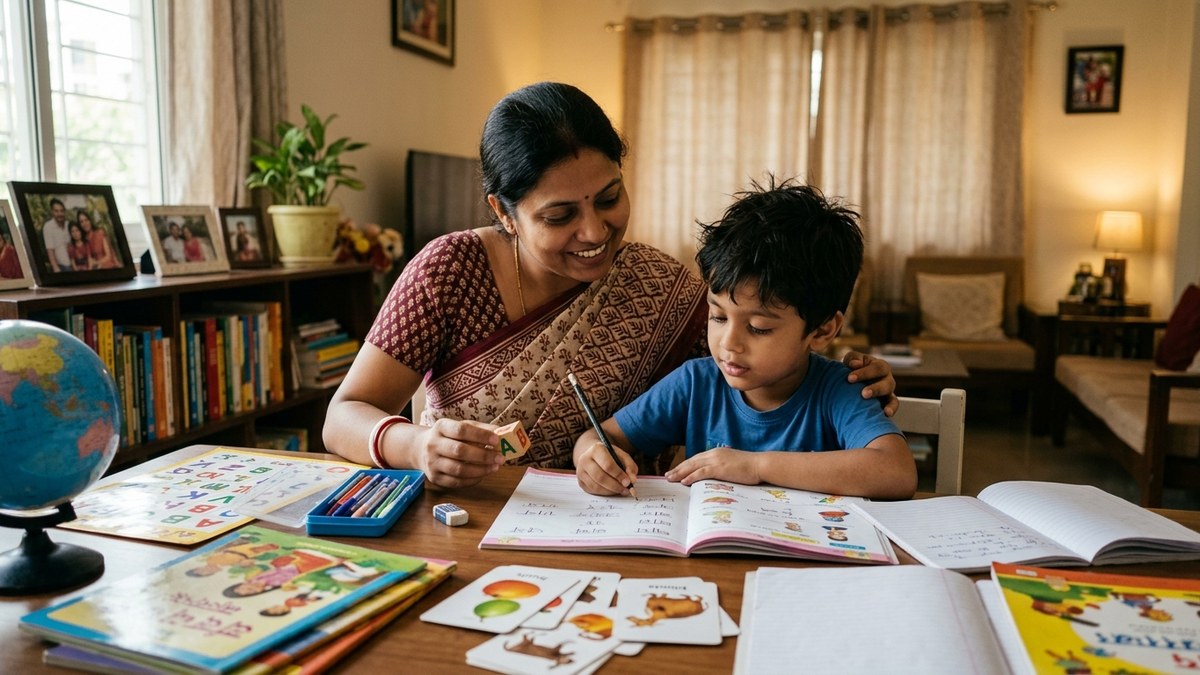
Legal clarity is one thing. Actually running homeschooling effectively is another. This is where most families stumble. They lack structure, technology, or community.
Technology matters. A good learning management system, video conferencing tools, and educational software transform homeschooling from isolation into connection. This is why APNA PC exists. For Rs.30,000, you get a complete bundle: education software, 3-year warranty, installation, plus a Mini PC with i3 7th Gen processor, 8GB RAM, 128GB SSD, monitor, keyboard, mouse, webcam, and headset. Not a luxury. A necessity for modern homeschooling.
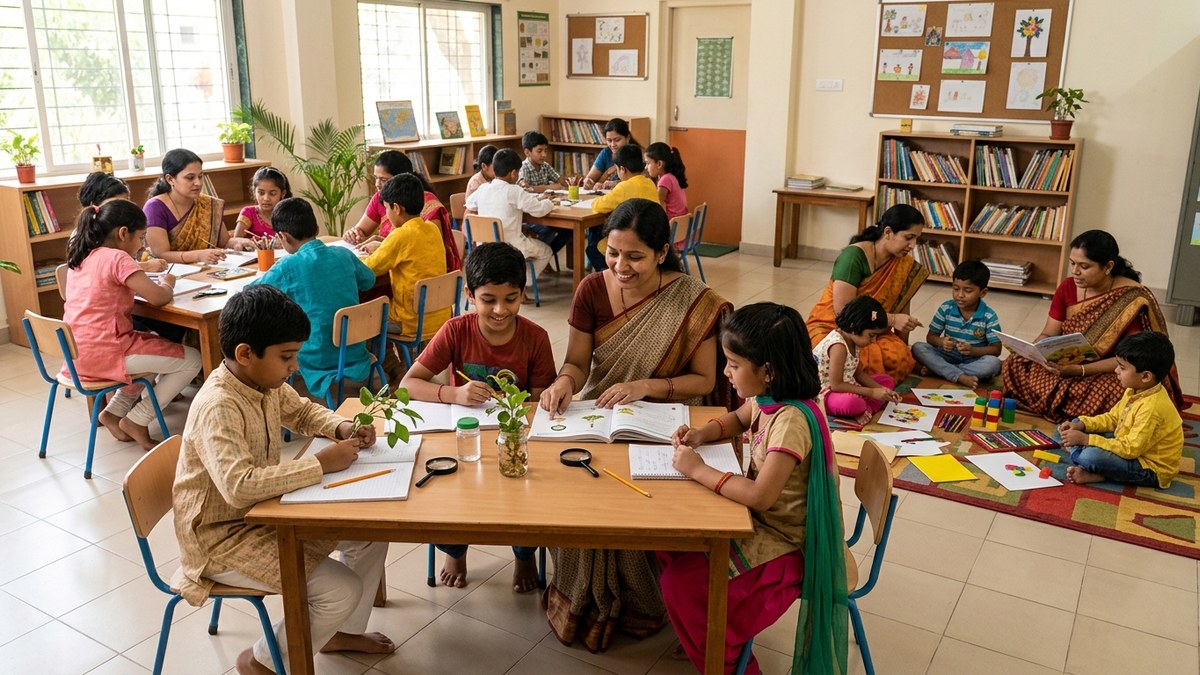
Community matters equally. A single parent cannot teach everything alone. This is where a POD (Point of Digital Learning) becomes valuable. A trained educator runs a small community learning centre from home or a shared space. Children attend 2-3 days weekly for group learning, projects, and mentorship. Parents or tutors handle the rest. It combines homeschooling flexibility with community support and social interaction.
Many tuition teachers and homemakers are already running PODs without realizing it. Formalize it. Get proper technology. Scale it. This is a real business model with real demand.
Who Should Consider Homeschooling in India?
Homemakers wanting to engage their children in meaningful learning while managing household responsibilities. Senior citizens with time and wisdom to mentor grandchildren. Tuition teachers wanting to formalize their work into structured homeschooling programs. Edupreneurs building scalable learning businesses. Parents of children with specific learning needs. Families valuing personalized education over standardized systems.
Homeschooling in India is not fringe anymore. It is a legitimate, legal, and increasingly practical choice. The boards support it. The technology enables it. The community is building around it.
Start by understanding your state’s requirements. Choose a board that fits your philosophy. Get proper technology infrastructure. Consider whether a POD model suits your situation. Connect with other homeschooling families. Learn from the Apni Pathshala blog and other resources.
The Digital India initiative has made technology accessible. Your responsibility is to use it wisely for learning.
Ready to start? Explore how APNA PC can support your homeschooling journey. Learn more about APNA PC and complete homeschooling solutions.
Frequently Asked Questions About Homeschooling legal requirements in India
Is homeschooling actually legal in India?
Yes. Indian law does not explicitly ban homeschooling, and it does not require a child to sit in a classroom. What the law does require is that children aged 6 to 14 receive education, which can happen through registration with a recognised board or open school rather than a traditional school.
Which board should a homeschooling family register with?
The National Institute of Open Schooling and several state open schools formally accept homeschooled children and let them sit board exams. Families choose based on which board’s exam centres and subject options suit their child, then keep the registration active through each academic year.
Do homeschooling parents need to inform the government?
Some states require notifying the local Block Education Officer, while others do not have a formal process. A short email or phone call to your state’s Directorate of Education clarifies exactly what is expected before you start, and this step takes only minutes.
Does a homeschooled child still have to take board exams?
Yes. Most recognised boards require homeschooled students to appear for formal examinations at designated centres, just like school-going students. The flexibility in homeschooling is in teaching method and daily schedule, not in skipping the exam requirement.
What records should homeschooling families keep?
Keep attendance records showing learning is happening regularly, along with notes on what topics were covered and when. This protects the family if any local authority asks questions and also helps track whether the child is covering the syllabus needed for board exams on schedule.
India’s Right to Free and Compulsory Education Act, 2009 mandates that children aged 6 to 14 receive education, within which several states recognise home-based and open schooling as valid routes.