Communication Skills Every Student Needs for Job Interviews
Your interviewer decides in the first 90 seconds whether you’re worth hiring. Not your grades. Not your projects. Your ability to communicate clearly, confidently, and authentically.
Here’s the truth: most Indian students ace their technical skills but stumble when it comes to communication skills for job interviews. You know your data structures. You can code. But can you explain why you’re the right fit for the role? Can you tell a story about yourself that sticks? That’s where most candidates fail.
Let’s be honest. Communication skills job interviews aren’t just about speaking fluent English or sounding smart. They’re about connecting with the person across the table. They’re about clarity, confidence, and genuine engagement. The good news? These are learnable skills. You don’t need to be naturally gifted. You need practice, the right mindset, and access to tools that let you rehearse without judgment.
Why Communication Skills Matter More Than You Think
Most people don’t realise that technical knowledge alone won’t get you the job anymore. Thousands of students have similar qualifications. What separates the hired from the rejected is how well you communicate your value. When an interviewer asks “Tell me about yourself,” a weak answer sounds like a resume read aloud. A strong answer sounds like a confident professional who knows exactly what they bring to the table.
Interview communication tips from top recruiters are consistent: they want to hear clarity, not jargon. They want to see you listen to the question before jumping to answer. They want confidence without arrogance. They want you to admit when you don’t know something, then show how you’d figure it out.
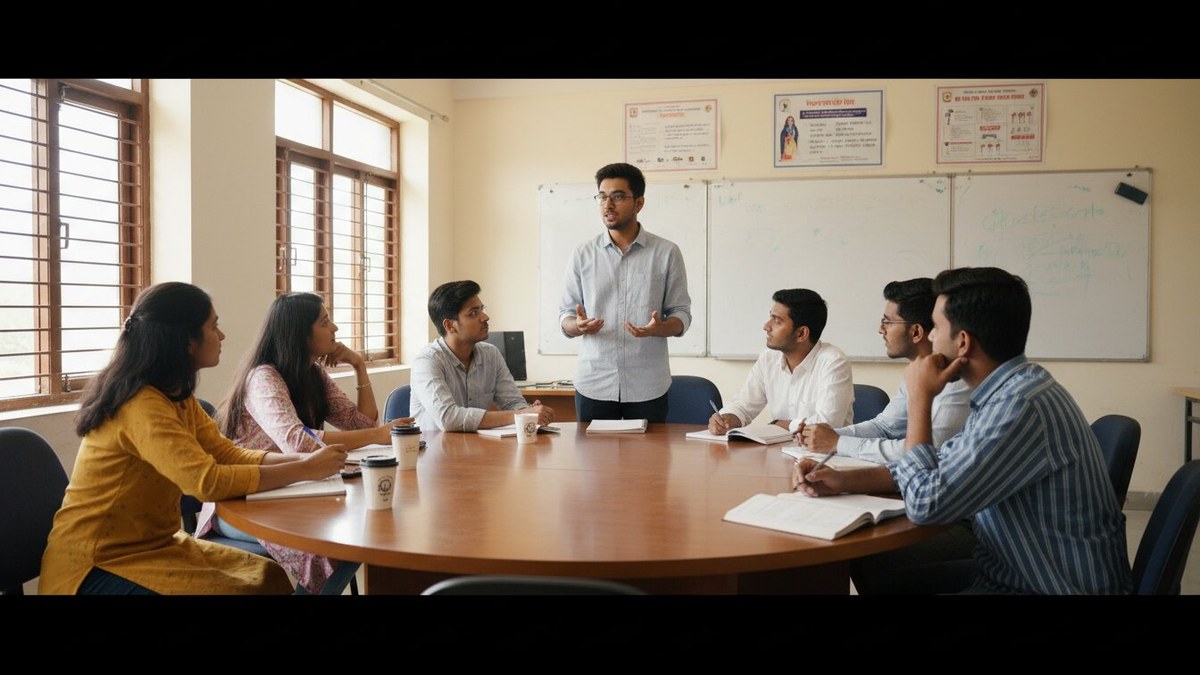
Think about your last conversation with someone you respect. They probably didn’t monologue at you. They asked questions. They listened. They responded thoughtfully. That’s what interviewers are looking for. Verbal communication for campus placements isn’t about perfection. It’s about authenticity paired with preparation.
The Five Communication Skills You Need Right Now
1. The Art of the Pause
Silence feels uncomfortable. So you fill it with “umm,” “like,” or nervous rambling. Stop. When an interviewer asks a tough question, pause for 2-3 seconds. Breathe. Collect your thoughts. Then speak. This single skill makes you sound 10 times more confident. It shows you’re thinking, not just reacting.
2. Storytelling That Sticks
Don’t list achievements. Tell stories. Instead of saying “I’m a team player,” describe a specific project where you disagreed with a teammate, how you resolved it, and what you learned. Stories are memorable. Lists are forgotten the moment you leave the room.
3. Active Listening
Most candidates are so nervous they don’t actually hear the question. They hear the first few words, then their brain goes into autopilot mode. Listen fully. If you don’t understand, ask for clarification. This shows respect and intelligence, not weakness.
4. Body Language That Matches Your Words
You can’t fake confidence. But you can build it through practice. Sit straight. Make eye contact. Smile when appropriate. Your body language either reinforces your words or contradicts them. Make sure it reinforces.
5. The Closing Statement
Most interviews end awkwardly. The interviewer says “Any questions?” You say no. Silence. Instead, ask one thoughtful question about the role, the team, or the company culture. End strong. End memorable.
If you want to dive deeper into this topic, check out our guide on soft skills for jobs in India and learn how to develop building a personal brand on LinkedIn as a student. Both are critical for your placement journey.
How to Practice Without Embarrassment
Theory is useless without practice. You need to rehearse. Out loud. In front of a camera. With feedback. This is where most students fail. They prepare mentally but never actually speak the answers. Then interview day arrives and their mouth goes dry.
Start by recording yourself answering common questions. Watch it back. You’ll cringe. Good. That means you’re seeing what needs to improve. Do it again. And again. After 10 takes, you’ll sound natural instead of robotic.
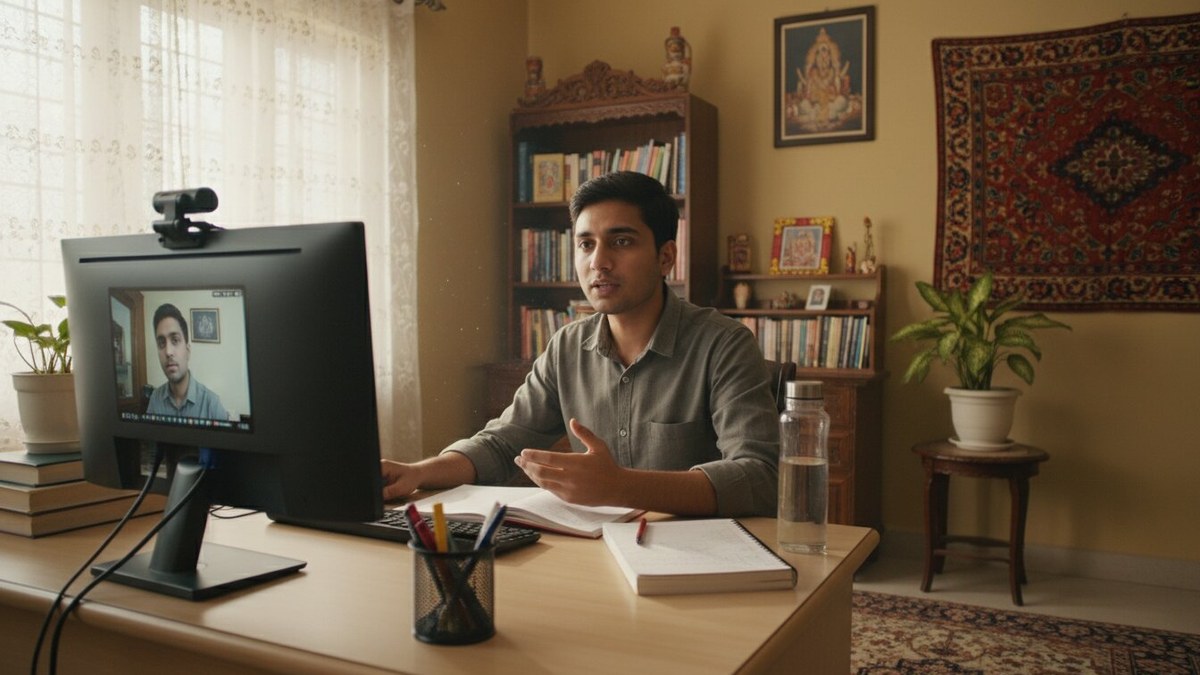
Practice with a friend. Take turns interviewing each other. Real conversation, real questions, real feedback. This builds confidence in ways solo practice can’t.
Join mock interview sessions at your college or through platforms that connect students with professionals. The stakes feel real because they are. You’ll learn what works and what doesn’t in actual conversation.
The research from UNESCO education research shows that active practice and feedback loops dramatically improve communication outcomes. This isn’t new. It’s proven. You just need to do it.
Also check out how the Digital India initiative is expanding access to digital learning tools that can help students prepare for placements in tier 2 and tier 3 cities.
The Real Barrier Isn’t Knowledge. It’s Access to Tools.
Here’s what stops most students: they don’t have a quiet space to practice. They don’t have a webcam. They don’t have reliable internet for mock interviews. They don’t have someone to give them honest feedback.
These barriers are real. But they’re solvable. A Point of Digital Learning (POD) in your community, run by a trained educator, can provide the space and guidance. A basic setup at home with a good webcam and headset can transform your practice sessions. You can record, review, improve, repeat.
Communication skills for job interviews aren’t built in a day. They’re built through consistent, focused practice over weeks. You need the right environment. You need the right tools. You need accountability.
Start today. Pick one interview question. Record yourself answering it. Watch it back. Do it again tomorrow. Do it better. That’s how you build the communication skills that actually get you hired.
Ready to practice interview communication with professional-grade setup? An APNA PC (Rs.30,000 complete bundle) includes everything you need: Mini PC with i3 7th Gen processor, 8GB RAM, 128GB SSD, monitor, keyboard, mouse, webcam, and headset, plus 3-year warranty and installation. Perfect for interview preparation, online learning, and campus placement prep. Visit teachtoearn.in to explore how you can set yourself up for success.