
The Homeschooling Programs Question Every Indian Parent Asks
Your child comes home with yet another complaint about overcrowded classrooms, rote learning, and zero time for real thinking. You start wondering: what if there was another way? What if homeschooling programs could actually work for your family?
Here is the truth: homeschooling in India is no longer a fringe experiment. Thousands of Indian families are choosing it. But most parents jump into homeschooling without understanding what they are actually choosing. They confuse curriculum with philosophy. They mistake convenience for quality. And they end up frustrated.
This guide cuts through the noise. We will help you pick the right homeschooling programs for your situation, not someone else’s.
Understanding Homeschooling in India Today
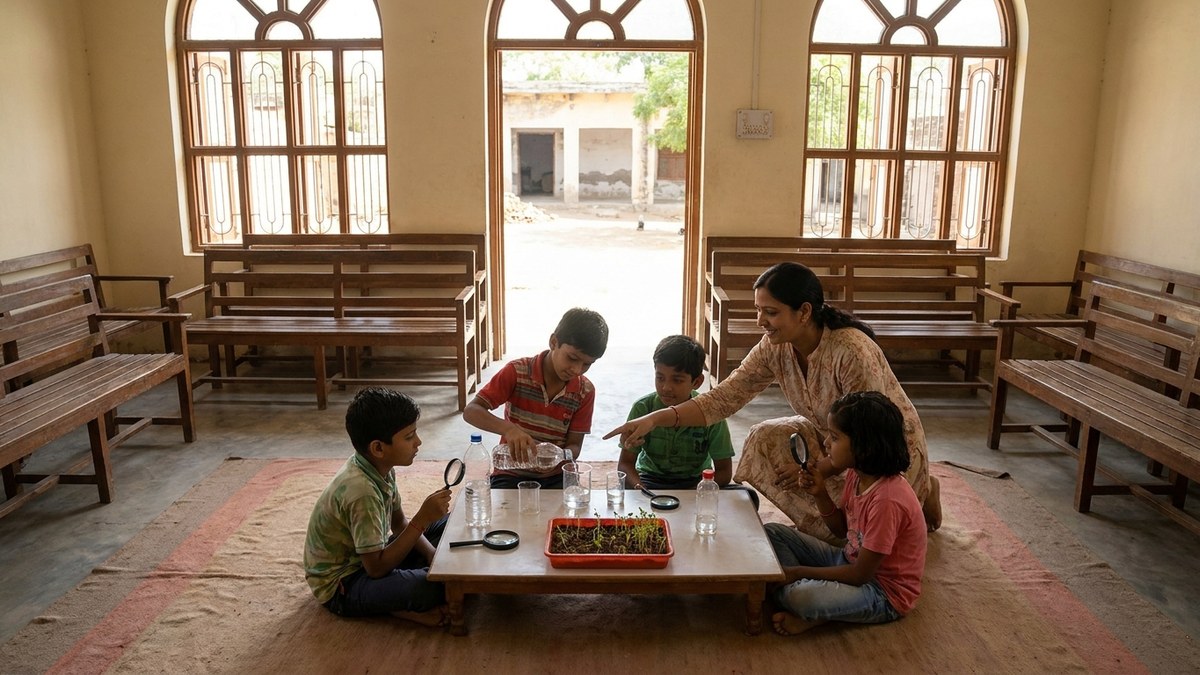
Let us be honest: homeschooling means different things to different people. Some families follow a structured curriculum at home. Some use online learning platforms. Some mix online classes with community learning. Some follow philosophy-based approaches like Montessori or Waldorf delivered at home.
The Indian landscape has changed dramatically. Ten years ago, your options were limited. Today, the choices range from traditional textbook-based models to project-based learning systems to unschooling frameworks.
Most people do not realise that homeschooling in India must still align with either CBSE, ICSE, or state board standards if your child plans to take board exams. This is non-negotiable. Your chosen program must either follow these curricula or prepare your child adequately for them.
The Five Critical Factors You Must Check
Before you enroll in any program, ask yourself these questions honestly:
- What is your child’s learning style? Visual, auditory, kinesthetic, or mixed? Some programs work brilliantly for visual learners but fail for kinesthetic ones.
- How much time can you realistically commit? Full-time homeschooling demands 20-30 hours weekly. Part-time options demand less. Know your capacity.
- Do you need board exam alignment? If yes, your chosen program must prepare your child for CBSE, ICSE, or state board exams specifically.
- What is your budget? Check our homeschooling in India fees guide for realistic pricing.
- Do you want community interaction or independent learning? Some programs include group classes. Others are purely solo.
Main Types of Homeschool Programs in India
Structured Curriculum-Based Programs. These follow a set syllabus, usually aligned with CBSE or ICSE. Examples include traditional correspondence courses and newer online platforms. They work well for disciplined learners and parents who want clear benchmarks. The downside: less flexibility.
Online Learning Platforms. Platforms like these offer recorded or live classes, assignments, and progress tracking. They scale easily and offer choice. The catch: screen time is high, and student motivation matters enormously.
Hybrid Programs. These combine online learning with periodic in-person classes or community sessions. They balance flexibility with social interaction. They suit families who want structure without full classroom constraints.
Philosophy-Based Approaches. Montessori, Waldorf, or Unschooling delivered at home. These prioritize curiosity and self-directed learning over test scores. They demand highly involved parents and work best for families aligned with the philosophy.
Red Flags to Watch For
Some programs promise everything and deliver nothing. Watch for these warnings:
- Programs that claim to work for all learning styles equally. They do not.
- Set-and-forget programs with zero parental involvement required. Your child still needs guidance.
- Programs with no clear assessment mechanism. How do you know if your child is actually learning?
- Programs that avoid board exam alignment entirely if your child will eventually take exams.
- Providers with no community or support system for parents. You will feel isolated.
Setting Up Your Learning Infrastructure at Home
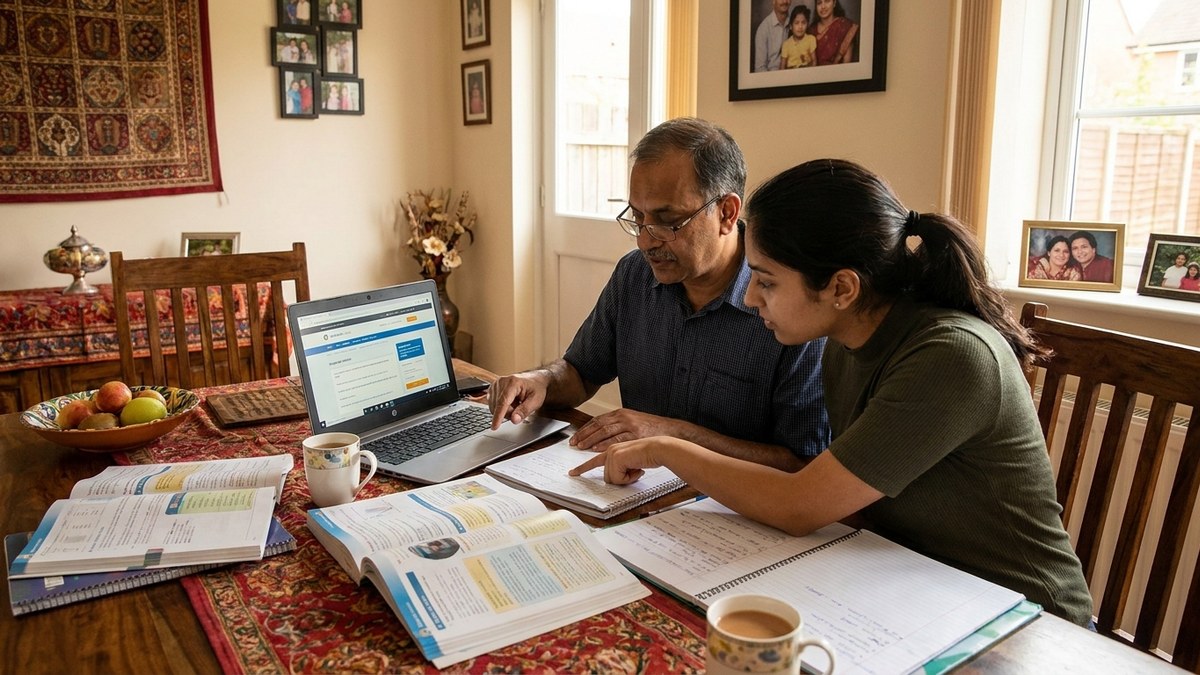
Most homeschooling options today require at least basic digital access. You need a reliable computer, internet connection, and ideally, a dedicated study space. This does not mean expensive. A basic setup works fine. For families seeking an all-in-one solution, options like APNA PC (Rs.30,000 complete bundle including education software, 3-year warranty, installation, Mini PC i3 7th Gen with 8GB RAM, 128GB SSD, monitor, keyboard, mouse, webcam, and headset) provide practical infrastructure without breaking the budget.
Beyond hardware, check the homeschooling resources on the Apni Pathshala blog for practical setup guides and learning strategies.
Alignment with Indian Education Standards
Whatever you pick must respect India’s education framework. The Ministry of Education sets broad guidelines. The CBSE official website publishes detailed syllabi if you choose a board-aligned route. Many states also offer recognition for homeschooled students through formal exams.
Here is the truth: homeschooling programs are actually legal in India as long as they meet these standards. You are not breaking any rules. You are simply choosing a different delivery method within the system.
The Digital India initiative has also expanded digital learning resources available to homeschooling families, making quality content more accessible than ever.
Making Your Final Decision on Homeschooling Programs
Here is the truth: the best homeschooling programs for another family might be wrong for yours. Comparison is useless. Your decision depends on your child, your capacity, and your goals.
Start with a trial period. Most providers offer 4-8 week trial phases. Use this to test fit. Does your child engage? Are you managing the workload? Is the curriculum actually at the right level?
Connect with other homeschooling families. They have real experience with different programs and can share honest feedback. Most Indian cities now have homeschooling communities and parent groups.
Finally, remember: a program is a tool, not a solution. The quality of your child’s education depends primarily on your engagement, not the brand name. Choose wisely, stay flexible, and adjust as needed.