Your child sits in a classroom of 50 kids. The teacher moves on. Your child doesn’t understand. Sound familiar?
Here’s the truth: homeschooling programs in India are no longer fringe experiments run by eccentric parents. They’re becoming the default choice for thousands of families who’ve realized that one-size-fits-all education doesn’t fit their child. Not their learning speed. Not their interests. Not their future.
But choosing the right homeschooling program? That’s where most parents get stuck. Should you follow the CBSE curriculum online? Pick a Montessori approach? Go unschooling? The options are overwhelming. And worse, there’s no clear answer because every child is different.
Let’s be honest: the Indian homeschooling curriculum landscape is fragmented. You’ll find brilliant programs and mediocre ones sitting side by side. Your job is to know what actually works.
Homeschooling Programs vs Traditional School in India: What Parents Need to Know
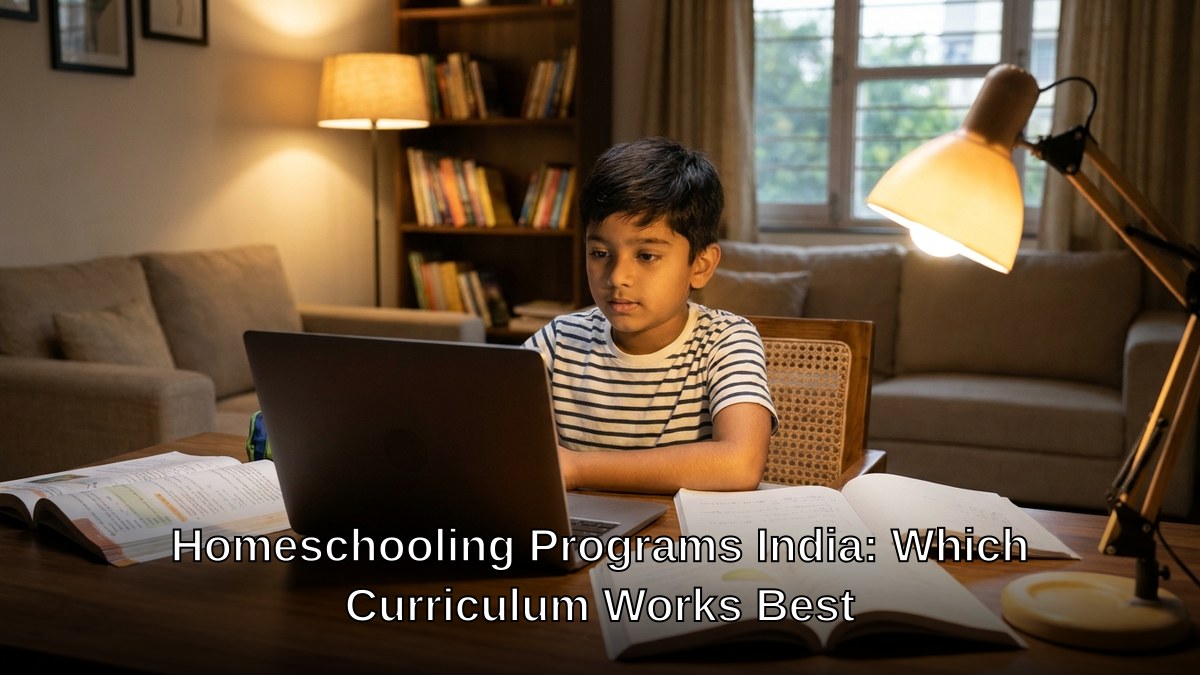
Let’s compare apples to apples. Traditional school systems offer structure, socialization, and credentials. They also offer inflexible schedules, one-pace-fits-all teaching, and mounting pressure. Homeschooling programs offer flexibility, personalized attention, and the ability to skip what your child already knows. They also require parental involvement, discipline, and the right resources.
Most people don’t realize this: the choice between homeschool vs school India isn’t about which is “better.” It’s about which fits your family’s reality.
Here are the real differences:
- Pace of learning: School moves at the median pace. Homeschooling moves at your child’s pace. Your bright kid breezes through math in 30 minutes instead of sitting through 45 minutes of repetition.
- Curriculum flexibility: Schools follow fixed curricula. Homeschooling programs let you adapt. Your child loves history? Spend three weeks on the Mughal Empire instead of three days.
- Socialization: School provides daily peer interaction. Homeschooling requires intentional effort through clubs, sports, community learning centres, or PODs (Points of Digital Learning).
- Parent involvement: School transfers responsibility to teachers. Homeschooling places it on you. This is non-negotiable.
- Credentials: School provides recognized boards. Homeschooling requires you to navigate board exams or alternative certifications through the India Ministry of Education.
Which Indian Homeschooling Curriculum Actually Works?
You have options. Real options. Not all are equal.
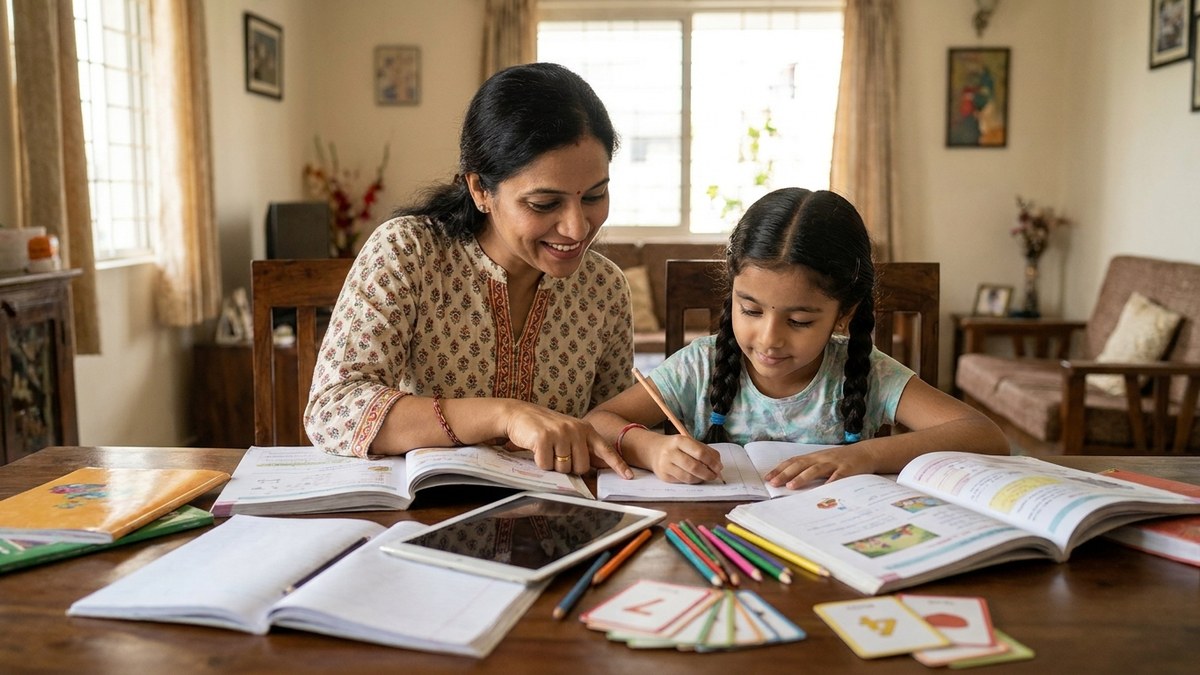
CBSE and ICSE online programs: These are the safe bet. Your child follows the same curriculum as school but at home. The downside? You inherit all the problems of traditional curricula: rote learning, excessive content, and the same pace issues. Best for: Parents who want familiarity and board exam certainty.
IB and Cambridge curricula: More conceptual. Less rote. Better for developing critical thinking. Your child learns to ask “why” instead of just memorizing “what.” The cost is higher. The schools offering these are fewer. Best for: Parents who value conceptual depth and can afford premium programs.
Montessori and child-led approaches: Your child drives the curriculum based on interests. Sounds ideal. In practice? It requires a highly trained educator and parents who resist the urge to push. Best for: Young children (ages 3-8) and families comfortable with non-traditional assessment.
Hybrid models: Combine structured academics with flexibility. Your child learns core subjects from a curated curriculum but has freedom in electives and project work. This is gaining traction because it balances rigor with personalization. Best for: Most families. Most children.
Here’s what matters: no curriculum works without three things: a trained educator, regular formative assessment examples to track progress, and alignment with Bloom’s taxonomy levels to ensure deep learning, not surface memorization.
The Infrastructure Problem Nobody Talks About
You’ve chosen your curriculum. Now what? You need:
- A quiet, dedicated learning space
- A computer with reliable internet
- Learning software or platforms
- Physical books and materials
- A way to conduct video classes or access recorded content
Most families don’t have all of this. That’s why the infrastructure matters as much as the curriculum.
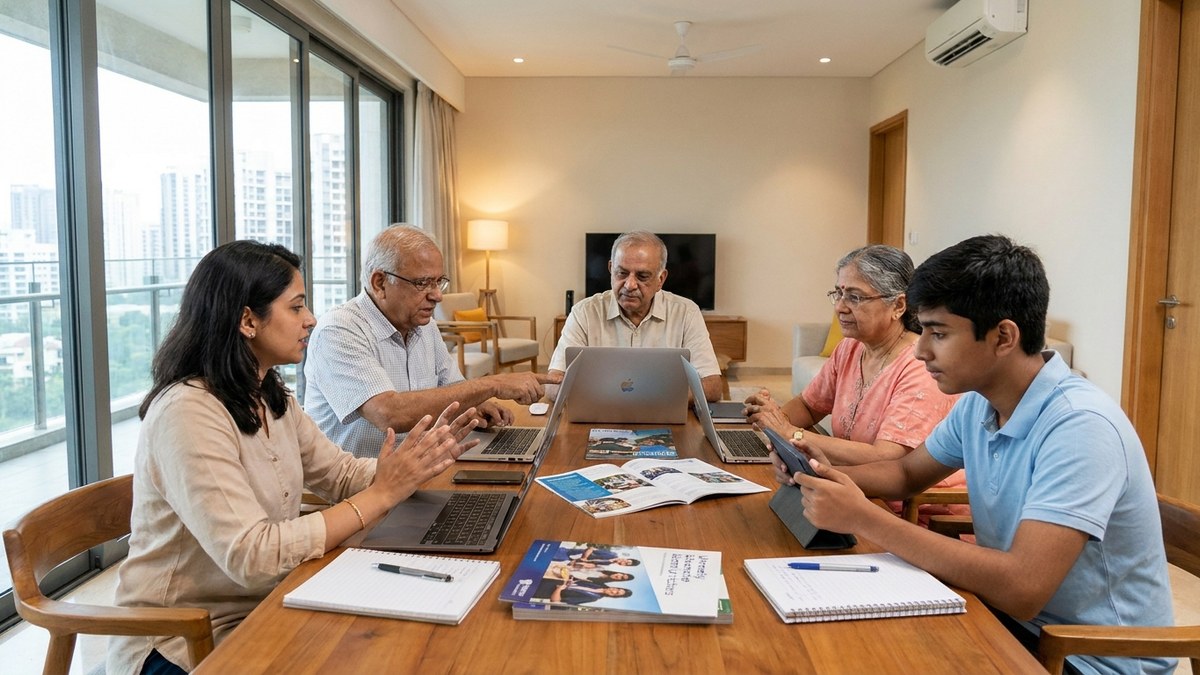
This is where PODs (Points of Digital Learning) come in. A trained educator runs learning sessions from a community centre or home. Your child gets structure, peer interaction, and professional guidance. You get relief from being the sole teacher. It’s the middle ground between full homeschooling and traditional school.
To run a POD or set up homeschooling at home, you need the right technology. Not fancy. Functional. A reliable computer, learning software, and basic peripherals. The investment shouldn’t drain your budget.
That’s where APNA PC comes in. Rs.30,000 complete bundle. Mini PC with i3 7th Gen processor, 8GB RAM, 128GB SSD. Monitor, keyboard, mouse, webcam, headset included. Plus 3-year warranty and installation. Everything you need to run digital learning at home or in a POD. No hidden costs. No surprises.
Check APNA PC specifications and order here.
Making the Decision: Questions to Ask Yourself
Before you commit to homeschooling programs, answer these honestly:
- Can I dedicate 2-3 hours daily to learning facilitation?
- Does my child thrive with autonomy or need structure?
- What’s my budget for curriculum, materials, and technology?
- Do I want board exam credentials or alternative assessment?
- Can I provide or arrange peer interaction?
- Am I willing to learn alongside my child?
If you answered “no” to most of these, homeschooling might not be your path. And that’s okay. There’s no shame in traditional school. There’s also no shame in homeschooling. The shame is in forcing a system that doesn’t fit your family.
The Indian homeschooling curriculum landscape is expanding because parents are demanding better. Not fancier. Better. More aligned with how their children actually learn. More respectful of their time and budget. More connected to real skills, not just exam scores.
Your choice matters. Make it with eyes open and the right infrastructure in place.