
Cyberbullying is destroying Indian classrooms. Your child might be the victim or the perpetrator, and you wouldn’t know until it’s too late.
Here’s the truth: cyberbullying in Indian schools has exploded in the last three years. WhatsApp groups meant for homework updates turn into harassment channels. Instagram comments become weapons. TikTok videos get weaponised. Parents remain clueless because the damage happens on screens they don’t monitor.
Most people don’t realise that cyberbullying leaves deeper scars than physical bullying. A child can delete a cruel message, but the emotional wound stays. Teachers see withdrawn students, failing grades, and increased absenteeism but struggle to connect these dots to online harassment. This is where digital citizenship becomes non-negotiable.
Digital citizenship isn’t just about teaching kids to code or use Google Classroom. It’s about raising responsible digital beings who understand that screens don’t erase consequences. It’s about building a culture where Indian schools actively prevent cyberbullying through awareness, accountability, and action.
What Digital Citizenship Actually Means
Digital citizenship means understanding online rights and responsibilities. It means knowing that a screenshot is forever. It means recognising that anonymity online doesn’t grant permission to be cruel. It means understanding that words typed in anger can destroy friendships, reputations, and mental health.
In Indian schools, digital citizenship education is almost non-existent. We teach maths and science. We ignore the fact that students spend 4-6 hours daily on devices. We don’t teach them how to be good digital citizens. This gap is where cyberbullying thrives.
- Respect online: Treating others with dignity in digital spaces, just as we would in person
- Responsibility: Understanding that every post, comment, and message has consequences
- Reporting: Knowing how and when to report abusive content or behaviour
- Empathy: Recognising that real people are behind those screens
- Privacy: Protecting personal information and respecting others’ privacy boundaries
The Role of Educators and Parents
Let’s be honest: schools alone can’t solve this. Teachers are overwhelmed. Parents are disconnected from their children’s digital lives. The National Education Policy emphasises foundational literacy, but digital safety isn’t prioritised like it should be. The Digital India initiative pushes technology adoption, but without corresponding ethics education.
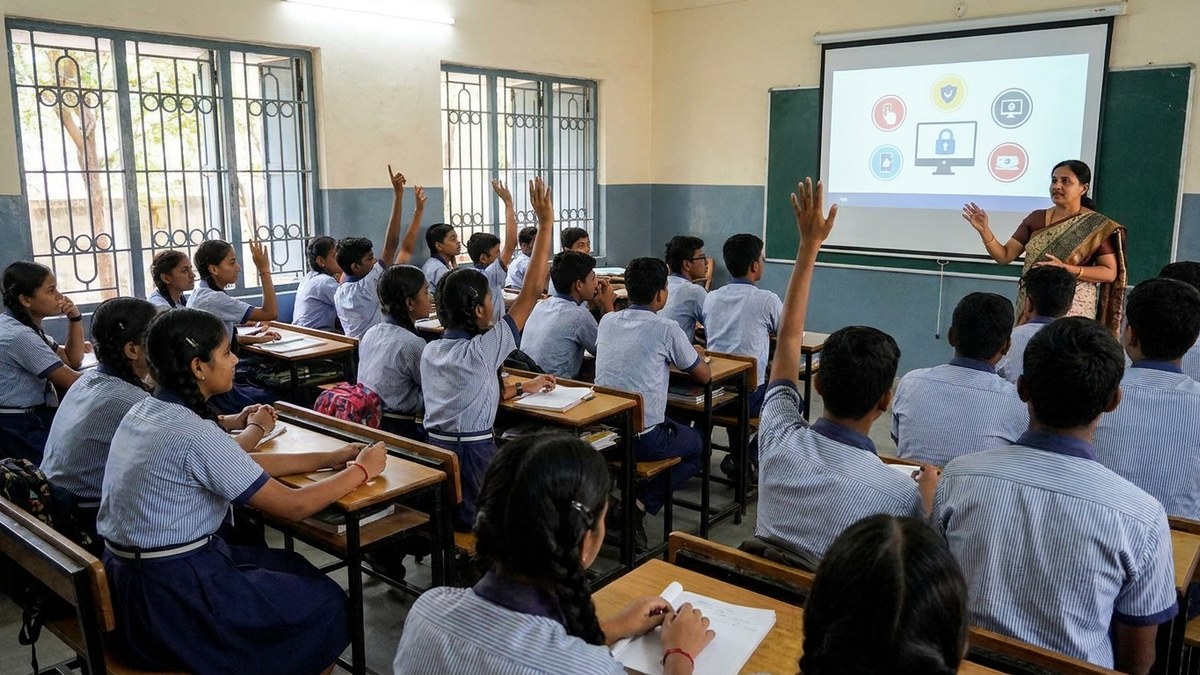
Educators need training. Parents need awareness. Students need practical, real-world examples of how cyberbullying happens and how to stop it. This requires investment in teacher development and accessible learning platforms where these conversations can happen regularly, not just during annual assemblies.
Creating Safe Learning Spaces
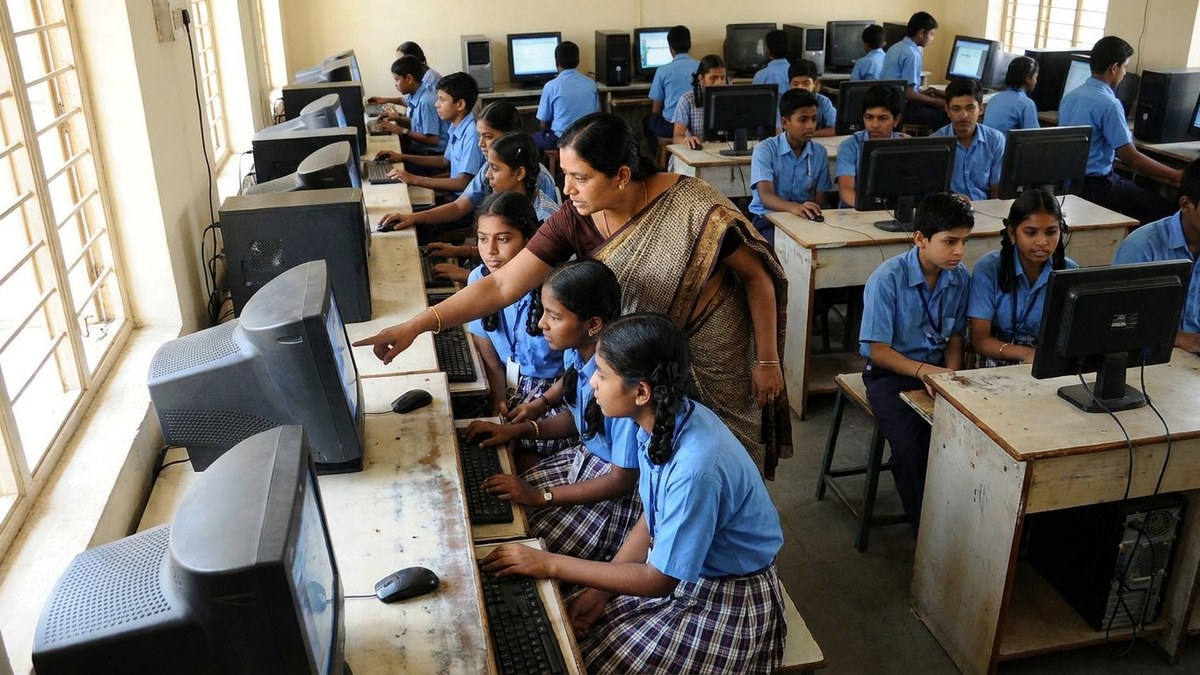
A Point of Digital Learning (POD) in your community or home can be the foundation for teaching digital citizenship. When students learn on quality devices with trained educators present, accountability increases. When they see peers being guided on responsible online behaviour, social pressure shifts from harmful to helpful.
This requires proper infrastructure. It requires computers that work reliably. It requires educators trained not just in technology but in recognising signs of cyberbullying and responding appropriately. APNA PC provides exactly this foundation. The complete bundle includes everything needed to set up a learning centre: a Mini PC with i3 7th Gen processor, 8GB RAM, 128GB SSD, monitor, keyboard, mouse, webcam, and headset. Three years of warranty and professional installation mean you’re not struggling with technical issues when you should be teaching.
With APNA PC at Rs.30,000, you can start a computer coaching business focused on digital citizenship. You can teach students how to use technology responsibly. You can create a space where cyberbullying prevention isn’t just a topic but a lived practice.
Practical Steps to Prevent Cyberbullying
Prevention requires action at multiple levels. Schools must implement clear digital conduct policies. Parents must have conversations with children about online behaviour. Students must understand consequences. Educators must model responsible digital citizenship.
- Establish clear rules about online communication in school groups and platforms
- Teach students to pause before posting anything they wouldn’t say face-to-face
- Create reporting channels where victims feel safe coming forward
- Train staff to recognise cyberbullying signs and respond swiftly
- Involve parents in understanding what their children are doing online
- Celebrate positive digital behaviour and peer support
Building Confidence Through Communication
Students who can articulate their thoughts clearly are less likely to resort to online cruelty. Those with strong public speaking skills for students understand the power of words and use them responsibly. Digital citizenship education should include communication training because students who can express themselves confidently offline are more thoughtful online.
The Way Forward
India’s schools are at a crossroads. We can continue ignoring cyberbullying and watching students suffer, or we can take action. What’s missing is implementation at the ground level.
Educators, homemakers, senior citizens, and edupreneurs can all play a role. You can establish learning centres where digital citizenship is taught alongside technology skills. You can create safe spaces where students learn that being online means being responsible.
The investment is minimal. The impact is massive. Start today with APNA PC and build the foundation for a generation of responsible digital citizens in India.