
Your Child Is Showing Exam Stress Symptoms. You Probably Haven’t Noticed Yet.
Most parents don’t realise exam stress symptoms start weeks before the actual test. By the time your child mentions feeling “worried” or “tired,” the damage is already being done. Sleep disruption. Appetite changes. Sudden irritability over small things. Stomach complaints that vanish after exam season. These aren’t character flaws. They’re warning signs.
Here’s the truth: exam anxiety in students isn’t weakness. It’s a signal that something in their learning environment or mindset needs fixing. And the earlier you catch it, the easier it is to address.
This post walks you through the real warning signs to watch for, why they happen, and what you can actually do about them right now. Not vague wellness advice. Concrete steps.
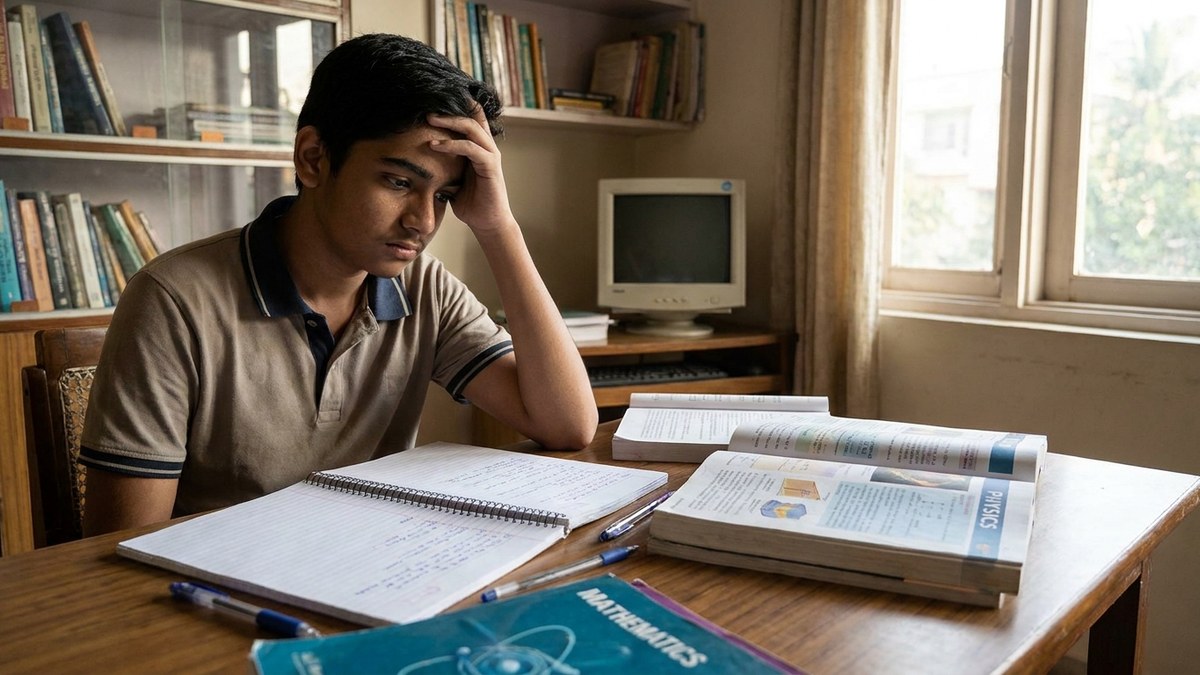
The Physical Signs Nobody Talks About
Stress shows up in the body first. Most parents mistake them for illness.
- Sleep problems. Your child goes to bed but doesn’t sleep. Or sleeps too much. Both are red flags.
- Headaches and stomach pain. Real physical pain, but no fever. It’s stress, not flu.
- Appetite shifts. Eating too little or comfort eating constantly. Both signal anxiety.
- Restlessness. Can’t sit still. Fidgeting. Nail biting. Repetitive habits that weren’t there before.
- Fatigue despite “enough” sleep. Waking up exhausted. No energy even after rest.
If you’re seeing three or more of these, board exam pressure India is already taking a toll. This isn’t normal pre-exam jitters. This is your child’s nervous system in overdrive.
The Behavioral Red Flags
Mood and behavior shift when exam anxiety in students gets serious.
- Sudden irritability over tiny things (you asked about homework and they snapped at you).
- Withdrawal from friends or activities they normally enjoy.
- Crying or emotional outbursts that seem out of proportion.
- Difficulty concentrating even when studying (reading the same line five times).
- Perfectionism that wasn’t there before, or conversely, giving up on subjects they find hard.
These aren’t personality changes. They’re stress responses. Your child’s brain is in threat mode.

Why This Happens (And Why Early Intervention Matters)
Let’s be honest: the Indian education system ties enormous stakes to board exams. Parents worry. Teachers push harder. Students absorb all of it. The pressure is real, and it compounds.
When a student believes their entire future depends on one test, their amygdala (the brain’s alarm system) stays switched on. Cortisol and adrenaline flood the system. The body prepares for danger. Except there’s no physical danger to fight or flee from. So the stress just sits there, building.
The earlier you intervene, the faster you can rewire this response. Wait until exam week, and you’re fighting an entrenched panic pattern.
How to Fix Exam Stress Symptoms Early
1. Validate, Don’t Minimize
Never say “it’s just an exam” or “you’ll be fine.” Your child knows you’re dismissing their feelings. Instead: “I see you’re worried. Let’s figure this out together.” Validation reduces stress. Dismissal amplifies it.
2. Break Study Into Smaller Chunks
Long, marathon study sessions increase anxiety. Shorter, focused bursts reduce it. 45 minutes of focused study, 10-minute break. Repeat. This isn’t laziness. It’s how brains actually work.
3. Use active learning strategies that reduce rote pressure
Rote memorization breeds anxiety. Students feel like they’re never “ready.” Active learning (testing yourself, explaining concepts aloud, teaching someone else) builds confidence. They actually understand material instead of just memorizing it.
4. Add Movement and Breathing
This isn’t fluff. Movement lowers cortisol. Breathing exercises activate the parasympathetic nervous system (the “calm down” system). Try yoga routines that sharpen focus and memory or simple walks. 20 minutes a day makes a measurable difference.
5. Create a Realistic Study Plan
Vague goals (“study hard”) create anxiety. Specific plans reduce it. “I will complete Chapter 3 economics by Wednesday” is better than “I need to study everything.”
6. Consider a POD (Point of Digital Learning)
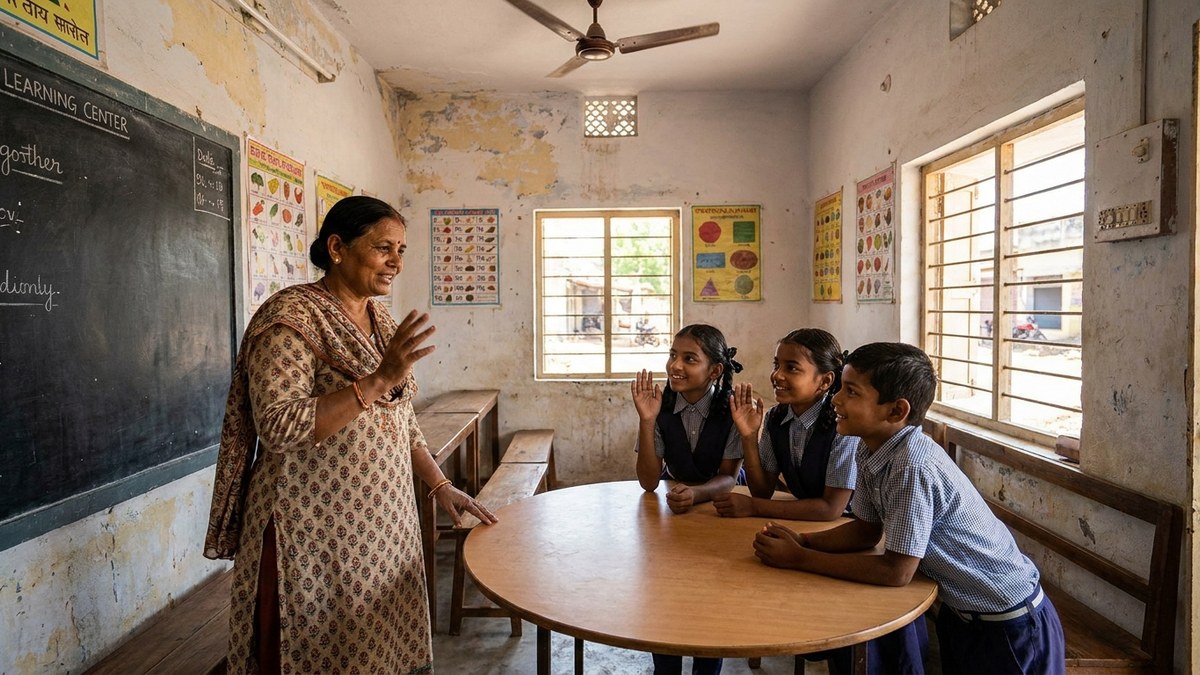
If your child is drowning in anxiety despite your efforts, a trained educator at a community learning centre can help. Smaller groups, personalized pacing, and real human connection reduce the pressure-cooker feeling of large classrooms.
7. Limit Screen Time (Especially Social Media)
Comparing grades and “study progress” on social media amplifies the pressure. Real talk: your child doesn’t need to see what other kids are doing. They need to focus on their own progress.
When to Seek Professional Help
If exam stress symptoms persist despite these changes, or if your child mentions harming themselves or expresses hopelessness, talk to a counselor or psychologist. This isn’t overreacting. This is protecting your child.
Anxiety disorders are real. They’re treatable. Early intervention changes outcomes.
The Bottom Line
Exam stress symptoms in students are preventable and reversible if you catch them early. You don’t need to wait until your child is in crisis mode. Watch for physical changes, behavioral shifts, and mood swings. Validate. Adjust study methods. Add movement. Build a realistic plan.
The goal isn’t a perfect score. It’s a healthy child who actually learns something and doesn’t burn out in the process.
Start today. Your child’s nervous system will thank you.
Want to set up a distraction-free learning environment for your child? Check out APNA PC – a complete learning bundle designed for serious study at home.
Learn more about how examinations work and explore UNICEF India education work on student wellbeing.