
Why Most Student Engagement Activities Fail in Indian Classrooms
Your students sit silent. You ask a question. Nobody answers. You wait. Still nothing. This isn’t a classroom problem. It’s an engagement problem. And here’s the truth: most teachers copy engagement strategies from Western textbooks without understanding how Indian students actually think and respond.
Student engagement activities in Indian classrooms work differently than what you read in international education blogs. Our students respect hierarchy. They fear judgment from peers. They need clear structure before they’ll participate. They learn best when activities connect to real outcomes: marks, college admission, career prospects. Generic icebreakers and “fun” games don’t cut it here.
Let’s be honest: you’re not running a kindergarten. Your students want to know why they should engage. They want proof that participation matters. When you design student engagement activities for Indian classrooms, you’re not just trying to keep them entertained. You’re building confidence, trust, and results.
Key Takeaways
- Student engagement activities work in India when they respect hierarchy, reduce fear of peer judgment and give clear structure before asking for participation.
- Students engage more when an activity links to real outcomes such as marks, admissions and careers, so explain why each task matters.
- Simple methods like team quizzes with peer teaching need no equipment and little preparation time.
- Copying Western icebreakers without adapting them is the most common reason engagement efforts fail.
- A shared computer can help with group projects, slides and documents that a phone handles poorly.
Five Student Engagement Activities That Work in Indian Classrooms
Most people don’t realise that the best interactive teaching strategies are simple. They don’t require fancy equipment or hours of preparation. They work because they respect your students’ intelligence and address their real concerns.
1. The Structured Quiz Bowl with Peer Teaching
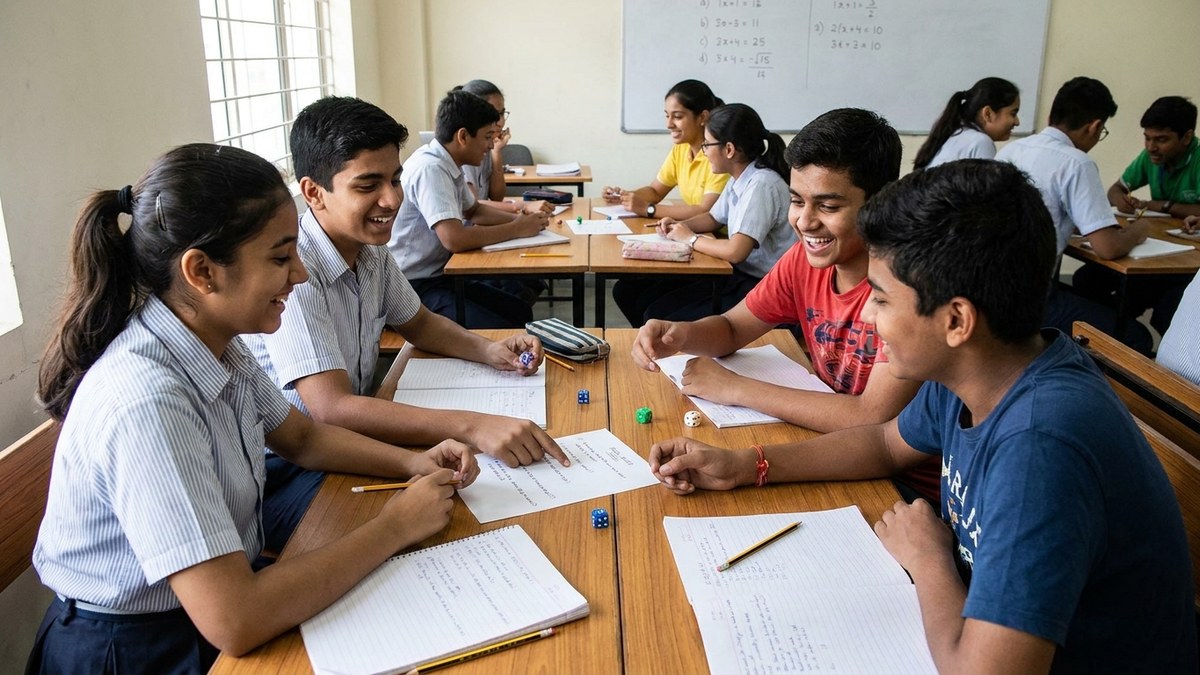
Divide your class into teams. Ask questions from your syllabus. But here’s the twist: when a student answers, they must explain their answer to one peer from another team. That peer then validates or challenges the explanation. This does three things at once. First, it removes the fear of direct teacher judgment. Second, it forces deeper thinking because students must justify their answers. Third, it creates classroom participation activities that feel natural, not forced.
Why it works in Indian classrooms: Students feel safe explaining to peers. They take peer validation seriously. They remember concepts better when they teach them.
2. The Real-World Problem Solving Circle
Bring a real problem to class. A local issue. A business challenge. A historical decision that needs solving. Split students into groups. Give them 15 minutes to brainstorm solutions using only what they’ve learned. Then each group presents for 2 minutes. No slides. No scripts. Just thinking out loud.
Why it works: Indian students engage when they see relevance. They want to solve real problems, not answer textbook questions. This activity proves that what they’re learning matters outside the classroom.
3. The Role-Play Debate Method
Assign students roles in a historical event, scientific process, or business scenario. They must argue from their assigned perspective. Mathematics students can debate whether a controversial theorem is correct. History students can roleplay historical figures making decisions. English students can perform character debates from literature.
Why it works: Role-play removes personal ego from the discussion. Students feel safer expressing ideas when they’re “playing a character.” They engage more deeply because they must understand multiple viewpoints. Interactive teaching strategies like this build critical thinking naturally.
4. The Timed Peer Review Challenge
Students write or solve something individually. Then they swap work with a peer. They have 5 minutes to identify one strength and one improvement area. Then the original student responds. This creates classroom participation activities where everyone talks, everyone listens, and everyone improves.
Why it works: Peer feedback feels less threatening than teacher feedback. Students learn from seeing how others approach problems. They develop evaluation skills while engaging with content.
5. The Progress Tracker Wall
Create a visible chart showing individual or team progress on learning goals. Update it weekly. Students see their growth. They compete with their previous performance, not just with each other. This taps into Indian students’ desire for measurable achievement.
Why it works: Visibility matters. Indian students respond to tangible progress markers. They stay engaged when they can see themselves improving.
The Technology That Makes Engagement Easier
Here’s what separates teachers who struggle with engagement from those who master it: they use the right tools. When you run a tuition centre or community learning pod, you need software that lets you track participation, share content quickly, and give instant feedback. You need a system that doesn’t slow you down.
This is where APNA PC changes everything. For Rs.30,000, you get a complete bundle: education software pre-loaded, Mini PC with i3 7th Gen processor, 8GB RAM, 128GB SSD, monitor, keyboard, mouse, webcam, headset, plus 3-year warranty and professional installation. No hidden costs. No setup headaches.
Why does this matter for student engagement? Because you can now run digital quizzes instantly. Display student responses on screen. Show progress in real-time. Record sessions for students who miss class. Use the webcam for online parent-teacher collaboration. Connect with students using WhatsApp for teaching follow-ups. Your engagement activities become trackable, scalable, and professional.
Building a Culture of Real Engagement
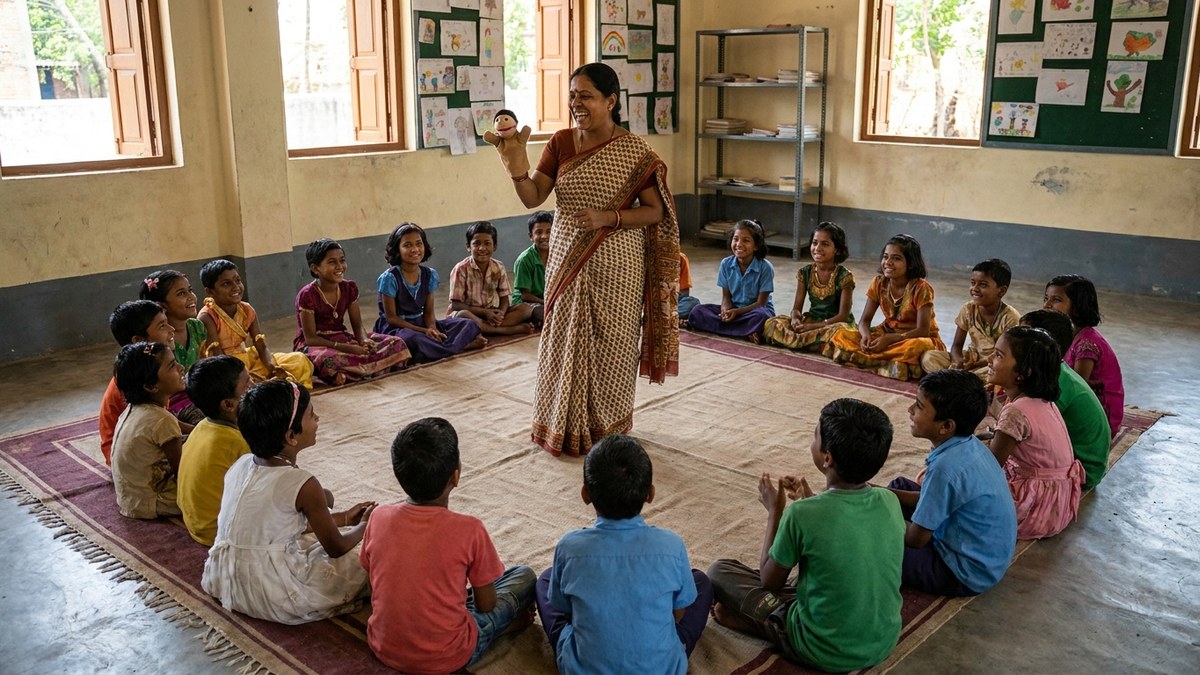
Most people don’t realise that engagement isn’t something you add to a lesson. It’s something you build into your teaching culture. When students know that their voice matters, that their ideas will be heard without mockery, that participation directly improves their grades and understanding, they engage naturally.
Research backs this up. Work documented by UNICEF India education consistently shows that children learn better when they take an active part in lessons instead of just sitting and listening.
Start small. Pick one activity from this list. Run it next week. Measure what happens. Do more students participate? Do they understand better? Do they remember longer? Track these outcomes. Share them with students. Show them that engagement works.
Connect your engagement strategy to real outcomes. Show how classroom participation activities lead to better board exam scores. Link interactive teaching strategies to college admission success. Use a career roadmap after 10th to show how these skills matter for their future. When students see the connection, they stop asking why they should participate. They just do.
Want to scale this further? Consider running your own Point of Digital Learning (POD) from home or your community space. You can start a Teach to Earn learning pod with proven engagement methods, APNA PC technology, and training that works in Indian contexts. Build a business while building better learners.
Frequently Asked Questions About Student engagement activities
Why do students stay silent in Indian classrooms?
Many students fear being judged by classmates and respect the teacher’s authority too much to risk a wrong answer. Silence is usually a comfort problem, not a lack of interest. Structured activities with clear roles and small groups lower that fear.
What are simple student engagement activities that need no equipment?
Team quiz rounds, peer teaching in pairs, think-pair-share and short oral recaps all need only a board and a few minutes. They work because every student has a defined role. You can run them in any class size with almost no preparation.
How do I get shy students to participate?
Let them speak to one partner or a small team first, then share with the class. Give them the question in advance when possible. Praise effort and reasoning, not only correct answers, so mistakes feel safe.
Do engagement activities help with board exam results?
They help when the activity revisits exam topics, such as a quiz bowl on a chapter. Active recall and explaining a concept to a peer both strengthen memory. Link the activity to marks so students see the purpose.
Should I use technology for student engagement activities?
Use it where it saves effort, such as preparing quiz slides, printing worksheets or collecting group projects. A shared home or centre computer is better than a phone for building these materials. The activity itself should still be simple and discussion driven.
NEP 2020 calls for a shift from rote learning toward experiential, inquiry-based and discussion-led learning in Indian classrooms.
Explore become an edupreneur and how to one room to learning hub checklist.