
Choosing a home learning POD India for your child is an important decision. A Point of Digital Learning (POD) offers personalized education in a community-based setting. But enrollment is just the beginning. Your role as a parent is crucial in ensuring your child thrives in this learning environment. This guide explores practical ways you can support your child’s journey through a home-based learning POD.
Understanding the Home Learning POD India Model
A a study centre is a small, neighborhood-based learning center run by trained educators using modern digital tools. Unlike traditional classrooms, PODs offer flexible, personalized learning experiences. The APNA PC bundle (Rs.30,000 complete bundle) equips educators with everything needed to deliver quality digital education from home.
As a parent, understanding this model helps you support your child better. PODs combine one-on-one attention with peer learning, creating an ideal environment for academic growth. Your involvement strengthens this foundation.
How to Support Your Child in a Home Learning POD India
1. Maintain Open Communication with the POD Educator
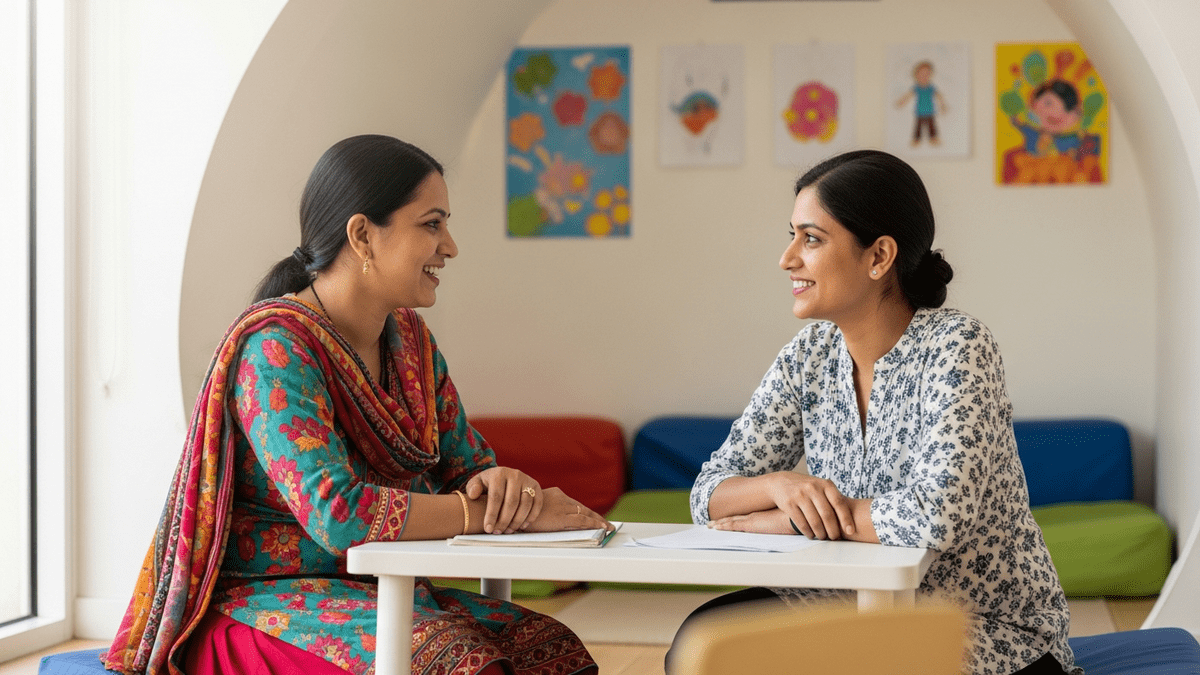
Regular communication between you and the POD educator is essential. Ask about your child’s progress, strengths, and areas needing improvement. Most POD educators using APNA PC technology can share real-time updates on your child’s performance. This partnership ensures consistent support both at the POD and at home.
2. Create a Dedicated Study Space at Home
While your child learns at the POD, homework and revision happen at home. Designate a quiet, distraction-free area for studies. Ensure proper lighting, a comfortable chair, and access to necessary materials. This reinforces the learning culture and shows your child that education is a priority.
3. Encourage Regular Practice and Revision
Learning doesn’t end at the POD. Encourage your child to revise lessons at home, complete assignments on time, and practice problem-solving. Use digital resources recommended by the educator. Consistent practice builds confidence and deeper understanding of concepts.
4. Monitor Progress Through Digital Tools
Many POD educators leverage APNA PC technology to track student progress. Ask for access to learning dashboards or progress reports. These tools show which subjects need extra attention. Use this data to provide targeted support at home, ensuring your child stays on track.
5. Balance Screen Time with Offline Activities
While digital learning is central to a home-based learning POD, balance it with physical activity, reading, and creative pursuits. This holistic approach supports overall development. Encourage your child to discuss what they learned, reinforcing concepts through conversation.
6. Attend Parent-Educator Meetings
Most POD educators organize regular check-ins or parent meetings. Attend these sessions to understand curriculum goals and your child’s individual learning plan. These interactions help you align home support with POD teaching, creating a cohesive learning ecosystem.
Practical Tips for Parent Support in Home Learning POD India
Set Realistic Expectations: Every child learns at their own pace. Avoid comparing your child’s progress to others. Instead, focus on personal growth and improvement over time.
Be Patient and Encouraging: Learning through a POD model is different from traditional schooling. Your child may need time to adjust. Celebrate small wins and maintain a positive attitude toward education.
Stay Informed About Curriculum: Understand what your child is learning. Ask the POD educator about curriculum topics and learning objectives. This knowledge helps you ask meaningful questions and provide relevant support.
Foster Digital Literacy: Since PODs use digital tools, help your child develop good digital habits. Teach them to use technology responsibly and safely while learning.
Why Parent Support Matters in a Home Learning POD
Research shows that parental involvement significantly impacts academic success. In a the learning space, this support becomes even more critical. Parents who actively engage in their child’s education create accountability, motivation, and a culture of learning at home. Your involvement sends a powerful message that education matters.
The POD model’s flexibility allows parents to be more involved than in traditional schools. You’re closer to the learning process, making it easier to identify challenges early and celebrate achievements together.
Leveraging Technology for Better Support
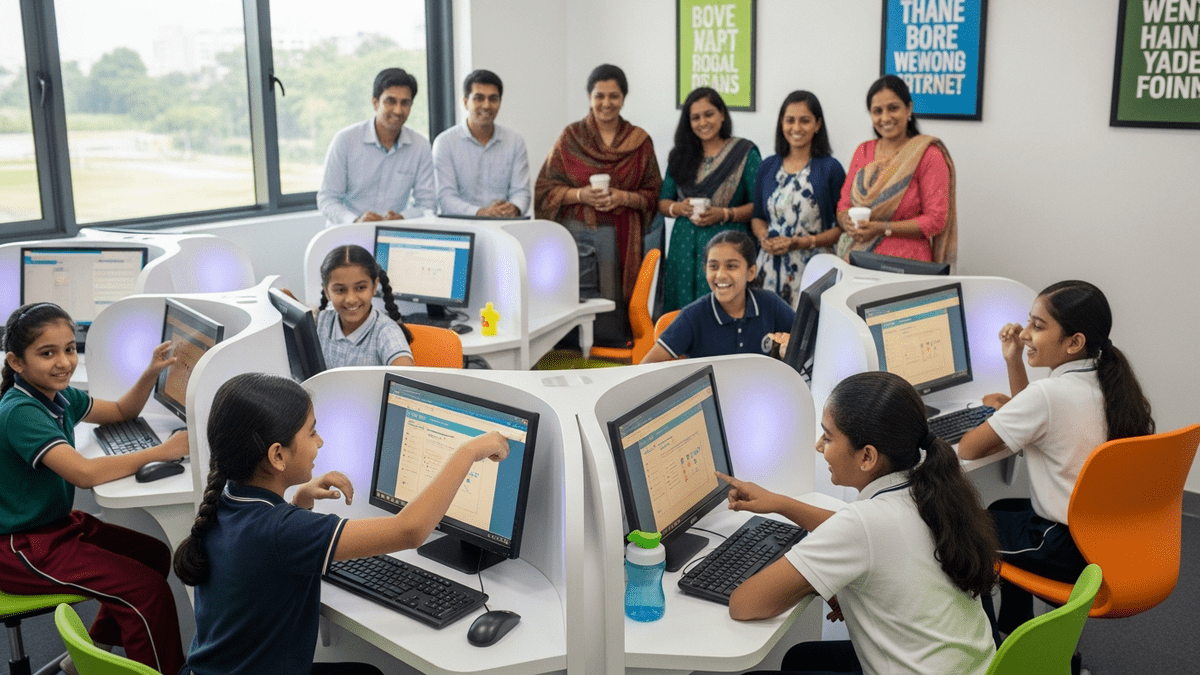
POD educators using APNA PC technology can share learning materials, assignments, and progress reports with parents. Take advantage of these digital tools. Review materials your child brings home, understand the teaching methods, and reinforce lessons through relevant activities.
If your child struggles with a concept, discuss it with the POD educator. Together, you can develop strategies to help them succeed. This collaborative approach transforms parent support into a powerful tool for learning.
Building a Community of Learners
A home learning POD India is more than just a classroom. It’s a community of learners and families. Connect with other parents in the POD. Share experiences, tips, and encouragement. This community support strengthens your child’s learning experience and creates a network of like-minded parents invested in quality education.
Consider attending community events or study sessions organized by the POD. Your presence reinforces the importance of learning and builds stronger relationships within the educational community.
Supporting your child through a home learning POD India requires consistent effort, open communication, and genuine interest in their education. By implementing these strategies, you become an active partner in your child’s academic journey. Explore POD options for your child and discover how personalized, community-based learning can transform their educational experience. Check our POD setup checklist for more guidance. For digital education initiatives, visit India Ministry of Education and Digital India initiative.