
Ravi mother sat beside him as he opened his laptop for online classes. Within five minutes, he had YouTube open in another tab. Within ten, he was messaging friends. By the time the class ended, Ravi had barely absorbed anything. This scene plays out in thousands of Indian homes every day. Parents struggle to help their children develop strong study habits for kids, especially when a computer is involved. The challenge is not just about having the right device. It is about creating an environment where focus becomes natural, not forced.
Why Study Habits for Kids Are Harder With Computers
A computer is designed to be a distraction machine. Every notification, every app, every browser tab pulls your child attention in different directions. Unlike a textbook that sits quietly on a desk, a screen actively competes for focus. When your child sits down to study, they are not just fighting their own impulses. They are fighting the entire architecture of the internet.
The problem gets worse when the computer is slow or unreliable. If your child waits thirty seconds for a video to load, they will open another tab. If the software crashes during an important lesson, frustration builds. These technical issues break concentration and make it harder to build consistent study habits for kids. A device that works smoothly becomes your first line of defense against distraction.
Set Up a Dedicated Space for Study Habits
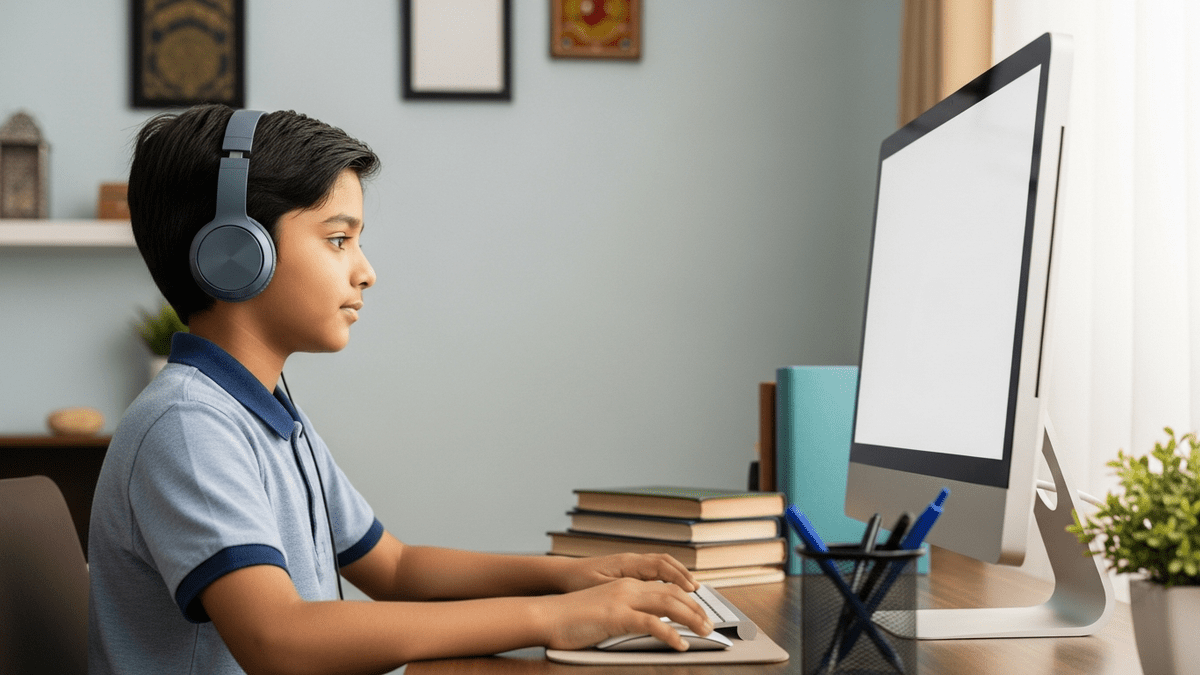
The first step is physical separation. Your child study computer should not be the family laptop that everyone uses. A dedicated device signals to their brain that this is for learning, not entertainment. Position it away from the television, away from younger siblings, and away from snacks and toys.
The desk matters too. It should be at the right height so your child does not hunch over. Natural light helps them stay alert. A comfortable chair prevents body aches that break concentration. These details seem small, but they compound over time to build better study habits for kids.
Keep the workspace clean. Remove clutter, remove phones, remove anything that is not needed for the current lesson. Your child brain has limited attention capacity. Every unnecessary object in their visual field uses up some of that capacity.
Use Technology to Help Kids Focus on Studies
You cannot rely on willpower alone. Children brains are still developing, and the prefrontal cortex that handles impulse control will not fully mature until their mid-twenties. Instead, use technology to help them focus on studies by removing temptation.
Install parental control software that blocks social media sites during study hours. Set up app timers that prevent access to games and entertainment apps. Use browser extensions that hide the YouTube recommendation feed. These are not punitive measures. They are guardrails that help your child stay on track.
Many educational platforms now offer distraction-free learning modes. When your child logs into these platforms, everything except the lesson disappears. The interface becomes simple, clean, and focused. This is exactly what your child brain needs when they are trying to absorb new information.
Build Parenting Tips Into Daily Routines
Consistency builds focus. When your child studies at the same time every day, their brain starts preparing for that activity. The routine becomes automatic, like brushing teeth. Start with shorter study sessions, maybe thirty minutes, and gradually extend them as your child focus improves.
Break study time into chunks. Twenty-five minutes of focused work followed by a five-minute break works well for most children. During the break, they can stretch, drink water, or step outside. They should not check their phone or watch videos. The break is for physical rest, not mental stimulation.
Set clear goals for each study session. Instead of study math for one hour, try complete five practice problems and check answers. Specific goals keep your child mind from wandering. They also create a sense of accomplishment when completed.
Invest in the Right Equipment for Distraction-Free Learning
Not all computers are created equal. A slow, outdated machine will frustrate your child and break their concentration repeatedly. When you are looking for a study computer, focus on reliability and performance. You need a device that starts up quickly, runs software smoothly, and does not crash during important lessons.
The APNA PC bundle is built specifically for this purpose. At Rs.30,000, it includes everything your child needs: an i3 7th Gen processor, 8GB RAM, and 128GB SSD. These specs are more than enough for online classes, video lectures, and educational software. The bundle also includes a monitor, keyboard, mouse, webcam, and headset. Everything is ready to use right out of the box.
The three-year warranty means you are protected if anything goes wrong. Installation is included, so you do not have to figure out the technical setup yourself. This is what Point of Digital Learning (POD) should look like. A complete, reliable, affordable solution designed for Indian students.

Talk to Your Child About Study Habits
Do not just impose rules. Have real conversations about why focus matters. Explain that their brain is like a muscle. Every time they practice focusing, that muscle gets stronger. Every time they get distracted, the distraction muscle gets stronger instead.
Ask your child what distracts them most. Is it notifications? Is it the urge to check social media? Is it thinking about other things they would rather be doing? Once you know the specific distraction, you can address it directly. Maybe it is turning off notifications. Maybe it is rewarding focus with something they enjoy.
Celebrate progress. When your child completes a full week of focused study sessions, acknowledge it. When they resist the urge to check their phone during study time, notice it. Positive reinforcement is far more powerful than punishment for building study habits for kids.
India DIKSHA digital learning platform has helped millions of students stay focused on their studies. The platform works because it removes distractions and presents information in a clear, sequential way. You can apply the same principles at home. The Digital India initiative has made technology more accessible to Indian families. Understanding how these programs work can help you create a similar environment for your child.
You might also find value in understanding pod economics and how digital learning investments work out financially. When you invest in a good study computer, you are not just buying hardware. You are investing in your child ability to learn effectively in the digital age.
For those concerned about rising education costs, the issue of school fee hikes and the smarter way forward is worth exploring. Home computers and digital learning reduce dependency on expensive coaching centers.
Focus Is a Skill Your Child Can Learn
Your child is not broken if they struggle to focus. In a world designed to capture attention, staying focused is actually a rare skill. It is something that must be learned and practiced. Your role as a parent is to create the conditions where this learning can happen.
Start small. Do not try to implement everything at once. Pick one or two changes this week. Add more next week. Over time, these changes accumulate into a powerful system that supports your child learning.
The right equipment, the right environment, and the right habits work together. When your child sits down at a dedicated study computer in a quiet space, with apps blocked and goals clear, focus becomes easier. Not easy, but easier. That is how you build study habits for kids that last.
Your child education is too important to leave to chance. The small investments you make now, in equipment and environment and routine, will pay dividends for years to come. Visit teachtoearn.in to learn more about APNA PC. Start building your child distraction-free learning space today.