Every month, thousands of single mothers in India face the same impossible choice: stay home to raise their children or go to work to pay the bills. What if there was a third path? Running a TeachToEarn POD Economics model from home isn’t just about teaching. It’s about building your own micro-business with real ROI, predictable cash flow, and the freedom to be present for your family. The numbers might surprise you. Most single mothers don’t realise that a home-based learning center can generate ₹25,000 to ₹40,000 per month within six months.
Why Single Mothers Are Perfect POD Operators
Traditional work demands 9-to-5 rigidity. PODs don’t. You design the schedule around your life, not the other way around. A single mother with two children can run a POD in her living room from 3 PM to 6 PM, charging ₹500 per child per month. Start with 10 students. That’s ₹5,000 monthly revenue from just two hours a day. The advantage? You’re already home. Your children see you as an educator and entrepreneur, not someone rushing out the door every morning. And here’s the truth nobody talks about: parents trust single mothers as POD operators more than they realise. Why? Because they understand the challenges of juggling education and childcare. Your authenticity is your selling point.
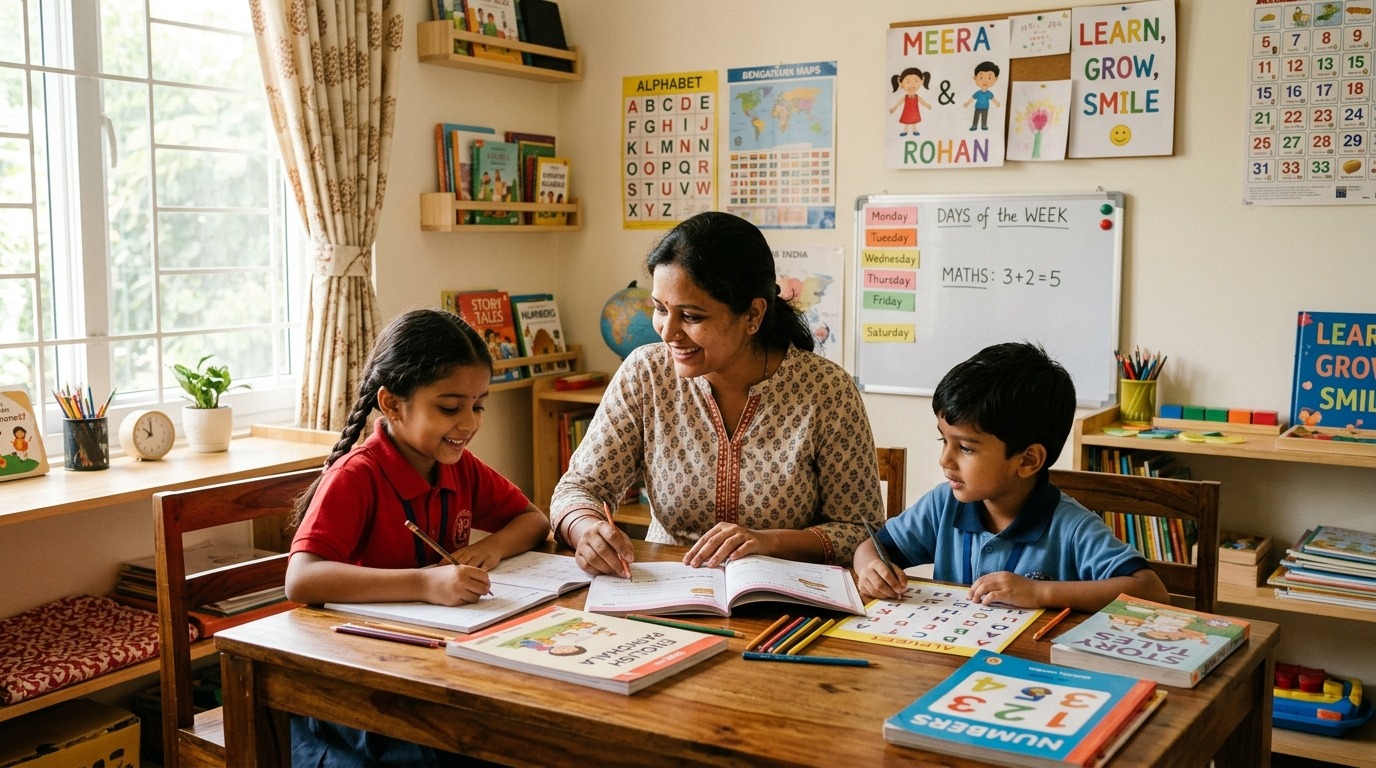
Consider what makes you uniquely qualified. You’ve managed a household. You’ve made tough decisions on limited budgets. You understand time management at a level most people never learn. You know patience, not the theoretical kind taught in business schools, but the practical patience that comes from raising children. These aren’t soft skills. These are exactly the skills that make POD operations successful. When a parent is frustrated because their child isn’t progressing, they don’t want corporate speak. They want someone who says: “I’ve been here too. Let me show you what worked for my own children.” That kind of vulnerability is what builds communities. And communities sustain PODs.
POD Economics: Cost vs Revenue Breakdown
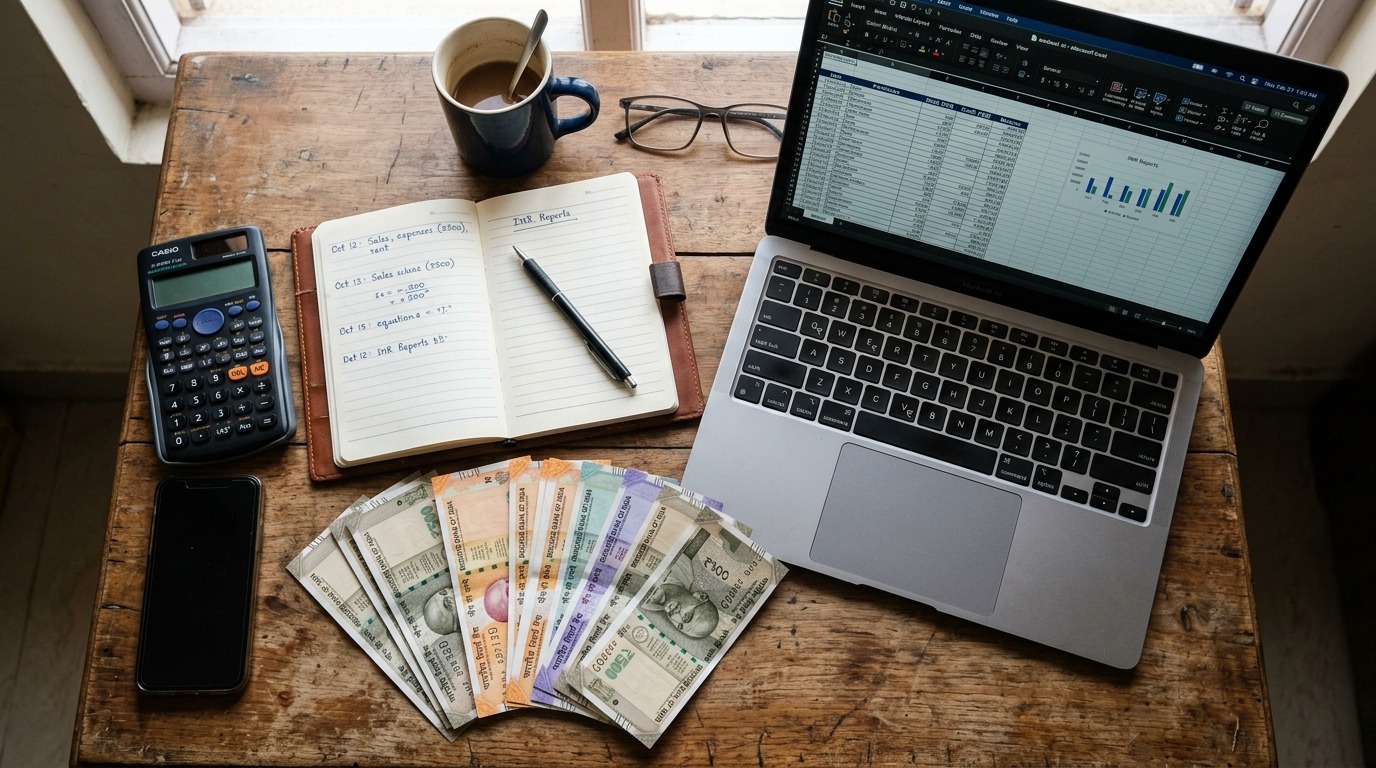
Breaking even matters. Here’s what a realistic POD costs. Initial investment: ₹40,000 to ₹80,000 (furniture, whiteboard, basic computers or tablets). Monthly costs: ₹3,000 to ₹5,000 (utilities, internet, material). With 12-15 students at ₹400-600 per month, you hit ₹5,000-9,000 in monthly revenue. After 8-10 months, your investment is recovered. By month 12, you’re operating at ₹2,000-4,000 monthly profit. The real opportunity comes when you scale: add a second shift, open a second room, train another operator. Many POD owners reach ₹50,000 monthly revenue within two years.
How TeachToEarn Makes Your POD Work
You don’t start alone. Start a TeachToEarn Learning POD gives you curriculum, student materials, parent communication templates, and ongoing training. The APNA PC bundle, priced at ₹30,000, becomes your digital infrastructure. Your students aren’t learning from photocopied worksheets. They’re learning on actual computers. They’re using Scratch for coding, LibreOffice for office skills, and accessing DIKSHA for structured learning pathways. Parents see this. They pay more for quality. And TeachToEarn’s model means you don’t compete on price. You compete on outcomes. That’s how single mothers build sustainable income, not just side hustles.
First Steps: Launch Your POD This Month
Start small. Identify 8-10 neighbourhood families who need after-school learning. Survey parents about timing and subjects. You need three months of stable schedules before thinking about expansion. Your first batch doesn’t need to be perfect, it needs to be consistent. Meet 3 PM every day, deliver what you promise, and let results speak. Document student progress in simple spreadsheets. When parents see report cards showing measurable improvement, they become your best marketers. By month three, you’re not recruiting. You’re managing a waiting list. That’s when you know your POD has found its market fit.
Why POD Economics Work for Single Mothers Specifically
A single mother’s economics are different from a coaching center owner’s. They have lower expectations for consumption (they already own a house, furniture, basic infrastructure). They have lower operating costs (they’re not renting a separate space or hiring staff immediately). They have higher motivation (this isn’t a side project, it’s building their child’s future alongside building their income). The POD model aligns perfectly with these realities. Within 18 months, a single mother operating a POD can accumulate ₹3-4 lakhs in additional income. That transforms her financial stability. It pays for her child’s higher education. It builds emergency savings. It transitions her from living paycheck-to-paycheck to building wealth.
Ready to turn your knowledge into income? DIKSHA digital learning platform provides free resources to get started. India Ministry of Education supports community-based learning models. Your next step: join the TeachToEarn network today and build your ₹30,000+ monthly income stream.