
Helping your child succeed academically goes beyond the classroom. When you actively support child learning at home, you create an environment where education thrives. For parents in Tier 2 and Tier 3 towns, building a strong foundation at home is essential to your child’s growth. This guide shares practical strategies to support child learning at home effectively.
Why Supporting Your Child Learning at Home Matters
Parent involvement in education significantly impacts academic performance and confidence. When children see their parents prioritizing learning, they internalize the value of education. A positive home learning environment builds curiosity and encourages independent thinking. Research shows that children whose parents actively support child learning at home perform better in school and develop stronger problem-solving skills. Your involvement sends a powerful message: education is a family priority.
The benefits extend beyond grades. Regular parent involvement in education strengthens your relationship with your child and helps you understand their strengths and challenges early. This awareness allows you to address learning gaps before they become serious obstacles.
Create a Dedicated Home Learning Environment
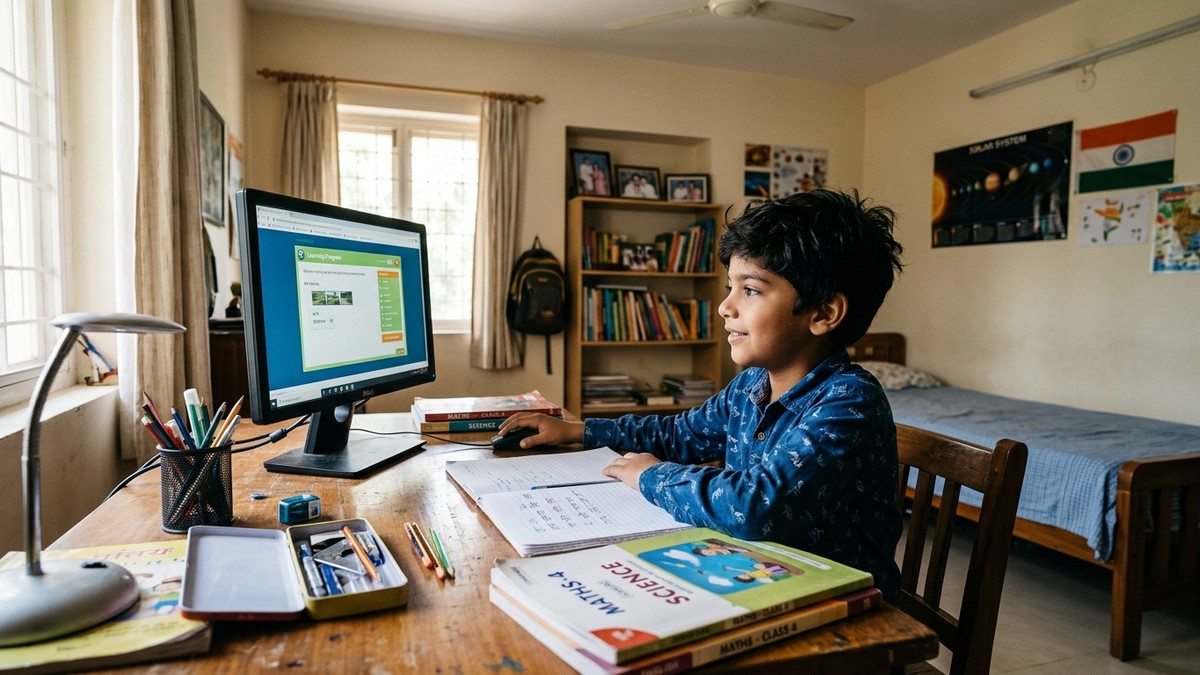
The first step to support child learning at home is establishing a dedicated study space. This doesn’t require a separate room. A quiet corner with a table, chair, and good lighting works perfectly. Keep distractions minimal by ensuring phones and unnecessary items stay away during study hours.
Stock your home learning environment with essential resources: notebooks, pens, reference books, and a reliable computer. A quality device makes a real difference. Many forward-thinking parents are investing in APNA PC (Rs.30,000 complete bundle), which provides all necessary digital tools for effective learning. APNA PC comes pre-loaded with educational content, making it ideal for supporting child learning at home without additional software purchases.
Organize materials logically so your child can access what they need independently. When children know where resources are, they develop ownership of their learning space and become more responsible.
Establish Consistent Learning Routines
Consistency is crucial for parent involvement in education. Set fixed study times daily and stick to them. Children thrive with predictability. Morning study sessions often work well for younger children, while older students may prefer evening hours. Whatever schedule you choose, make it routine.
Break study sessions into manageable chunks: 30-45 minutes for younger children, up to 60 minutes for older students. Include short breaks to maintain focus and prevent fatigue. During breaks, encourage physical activity or light snacking rather than screen time.
Communicate this schedule clearly to your child and involve them in creating it. When children have a say in planning, they’re more likely to follow through.
Engage Actively in Your Child Learning Process
Simply providing a space isn’t enough. You must actively participate in your child’s learning journey. Ask about their day, their lessons, and their challenges. Listen without judgment. When your child struggles, resist the urge to provide immediate answers. Instead, guide them toward solutions through questions.
Read with younger children daily. For older students, discuss what they’re learning. Ask them to explain concepts to you. Teaching others is one of the most effective learning methods. This approach transforms your home into a genuine learning center where knowledge is shared and discussed.
Use technology wisely. APNA PC includes interactive learning modules that make studying engaging. Sit with your child while they explore educational content. Ask questions about what they’re learning. This transforms screen time into quality learning time.
Track Progress and Celebrate Achievements
Monitor your child’s academic progress regularly. Check homework, review test papers, and communicate with teachers. Understanding where your child stands academically helps you support child learning at home more effectively. For detailed guidance on this, explore how to track child learning progress at home.
Celebrate small victories. Did your child master a difficult concept? Acknowledge it. Did they complete homework without reminders? Praise the effort. Positive reinforcement motivates children to continue learning and builds confidence.
When challenges arise, address them as learning opportunities. A low test score isn’t failure; it’s information. Work together to identify weak areas and develop strategies to improve.
Leverage Digital Tools for Modern Learning
Today’s education landscape includes digital learning. Invest in reliable technology that supports child learning at home. APNA PC (Rs.30,000 complete bundle) is specifically designed for Indian families seeking affordable, comprehensive digital learning solutions.
APNA PC comes with pre-installed educational software, eliminating the need for expensive subscriptions. It supports interactive learning through videos, quizzes, and digital assignments. The device is designed for durability and ease of use, making it perfect for home learning environments.
Parents running PODs (Points of Digital Learning) at home have discovered that APNA PC transforms how children engage with academics. If you’re considering starting a homemaker learning POD home business, APNA PC is the backbone of your operation.
Build a Culture of Curiosity
The best home learning environment encourages questions. Teach your child that curiosity is valuable. When they ask “why?” or “how?”, treat it as an opportunity, not an interruption. Visit libraries together, explore educational websites aligned with Digital India initiatives, and discuss current events at the dinner table.
Encourage reading beyond textbooks. Stories, newspapers, and educational blogs expand thinking and vocabulary. Create a small home library. Reading together strengthens bonds while supporting child learning at home.
For broader insights on education standards and global best practices, explore UNESCO’s global education resources. These frameworks help parents understand what quality education looks like worldwide.
Connect Learning to Real Life
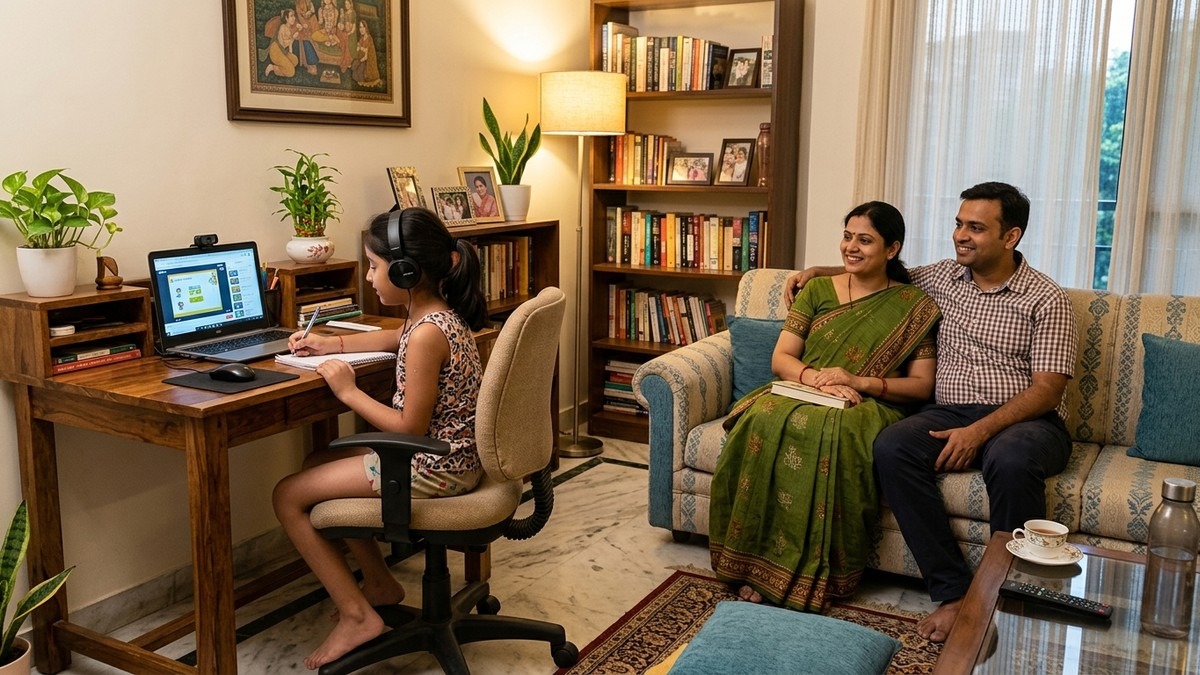
Help your child see how classroom learning applies to everyday situations. Cooking involves math and science. Shopping teaches budgeting. News discussions develop critical thinking. When children understand that education is relevant to real life, they become more engaged learners.
This practical approach to parent involvement in education makes learning memorable and meaningful.
Final Thoughts: Your Role as a Learning Partner
Supporting your child’s education is one of the most valuable investments you can make. By creating a structured home learning environment, staying involved, and using quality tools like APNA PC, you’re setting your child up for success. Your consistent support sends a clear message: education matters, and so does their future.
Ready to transform your home into a powerful learning center? Explore APNA PC for your home at TeachToEarn. With APNA PC (Rs.30,000 complete bundle), you get everything needed to support child learning at home effectively. Start today and watch your child’s confidence and academic performance soar.