
NEP 2020 is Here. Your Child’s School Will Never Be the Same.
The National Education Policy 2020 isn’t just another government document gathering dust on a shelf. It’s a complete overhaul of how Indian schools teach, what they teach, and how students learn. If you’re a parent or tuition teacher, you need to understand it. Not because it sounds important, but because it directly affects your child’s future and your teaching approach.
Let’s be honest: most people don’t realise that the NEP 2020 school education India framework moves away from rote learning entirely. The old system rewarded memorisation. Students crammed, scored marks, forgot everything by next month. NEP 2020 changes that equation completely.

What Exactly is NEP 2020 and Why Should You Care
The National Education Policy 2020 is India’s new educational roadmap. It replaces the 34-year-old National Policy on Education from 1986. The government designed it to make Indian students globally competitive while staying rooted in Indian values.
Here’s the truth: the NEP 2020 school education India reform isn’t about adding more subjects or homework. It’s about fundamentally changing how learning happens. The policy focuses on four pillars: access, equity, quality, and affordability.
What does this mean for you?
- Students choose subjects they actually care about, not fixed streams
- Continuous assessment replaces the terror of board exams
- Practical skills and vocational training get equal respect as academics
- Teachers become facilitators, not lecturers
- Technology integration becomes non-negotiable in classrooms
For more details, check the National Education Policy 2020 on Wikipedia.
Most people don’t realise that this policy directly impacts tuition teachers. The old model of coaching centres pumping students through rote-learning bootcamps is dying. Parents now want educators who can develop critical thinking, problem-solving, and real-world skills.
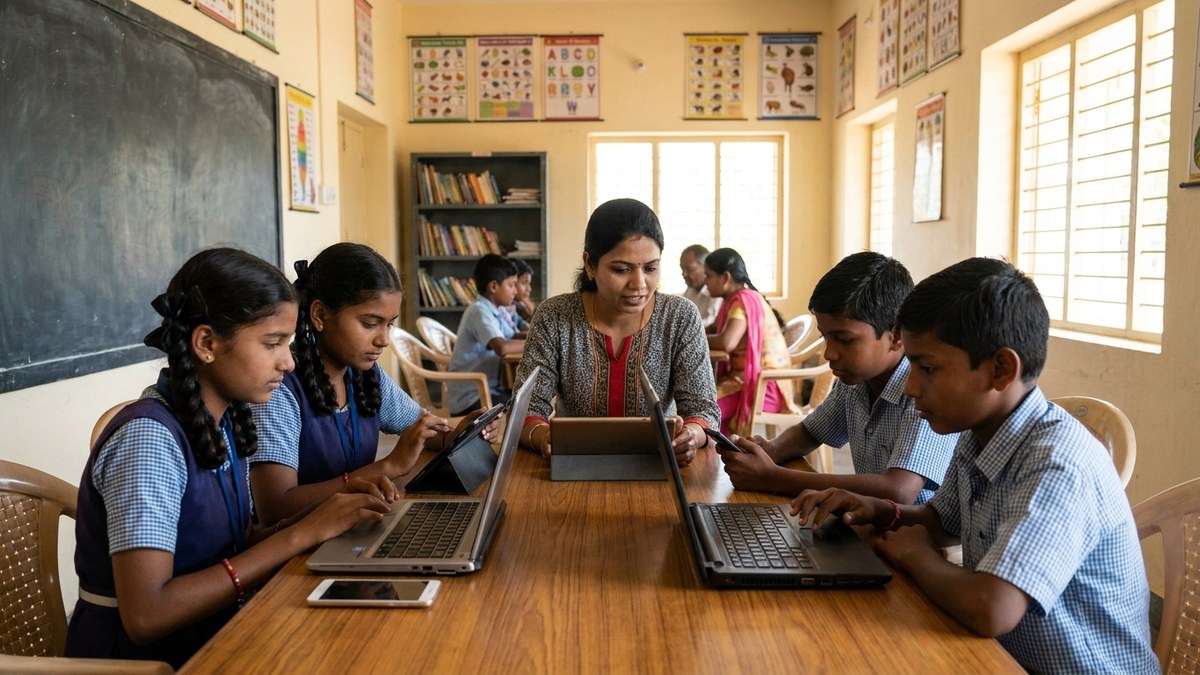
The Five Big Changes NEP 2020 Brings to School Education in India
1. Flexible Subject Combinations – Gone are the days of Science, Commerce, or Arts being your only choice. Students can now mix subjects. Want to study Mathematics with History and Music? You can. This flexibility means students learn what excites them, not what fits a predetermined box.
2. Continuous and Comprehensive Evaluation – Board exams still exist, but they’re not the only measure of success anymore. Schools assess students throughout the year. This reduces exam anxiety and gives a real picture of a student’s abilities. For tuition teachers, this means your role shifts from exam coaching to genuine learning support.
3. Multilingual Education – NEP 2020 pushes learning in mother tongue up to Grade 5, at least. This isn’t sentimental nostalgia. Research shows kids learn better in their own language. Early foundational concepts stick better. Later, English proficiency still matters, but the foundation is stronger. If you’re offering spoken English practice at home, you’re already aligned with this shift toward multilingual competence.
4. Vocational Integration from Grade 6 – Carpentry, plumbing, coding, digital marketing. These aren’t backup options for “weak” students anymore. Every student gets exposure to vocational skills alongside academics. This is revolutionary for a country obsessed with “degree vs no degree” thinking.
5. Technology as the Great Equaliser – Digital tools aren’t extras. They’re central to NEP 2020. Schools in metros and villages should have equal access to quality content. This is where solutions like APNA PC become crucial. A complete bundle at Rs.30,000 with education software, 3-year warranty, and full setup (Mini PC i3 7th Gen, 8GB RAM, 128GB SSD, monitor, keyboard, mouse, webcam, headset) makes digital learning accessible to POD centres and home-based tutors.
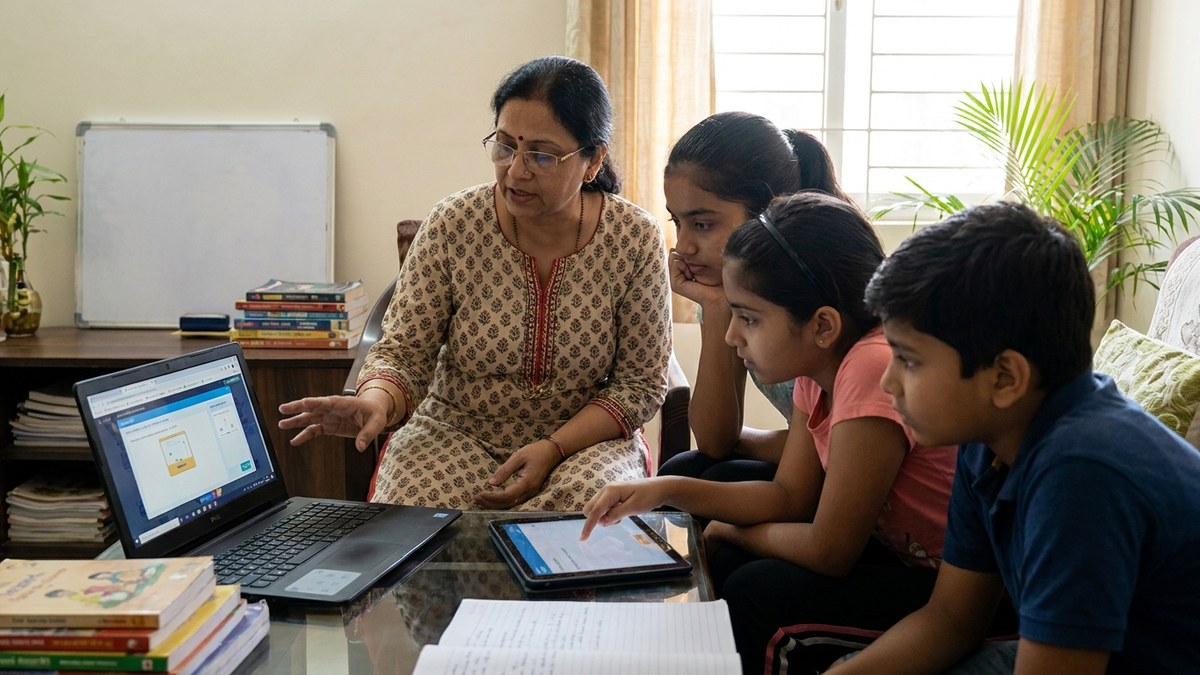
The question isn’t whether these changes are coming. They’re already here. Schools are implementing NEP 2020 right now. The question is: are you ready?
For tuition teachers, this means rethinking your entire approach. When you compare group tuition vs one-to-one tuition, consider how each model aligns with NEP 2020’s emphasis on personalised, technology-enabled learning. Group sessions can foster collaboration. One-to-one can allow true customisation. The best tutors do both.
For parents, the NEP 2020 school education India shift means your child’s education won’t look like yours did. That’s good. The old system produced mark-getters. NEP 2020 aims to produce thinkers, creators, and problem-solvers.
Here’s what needs to happen next: schools need proper infrastructure. Teachers need training. Tutors need to upskill. Learning centres need digital access. This is where the gap exists right now in Indian education.
If you’re running a POD or considering starting one, digital infrastructure isn’t optional. Students expect it. Parents demand it. NEP 2020 requires it. That’s why APNA PC exists. It’s the complete bundle designed for Indian educators who want to deliver quality learning without breaking the bank.
The NEP 2020 school education India framework is reshaping how our children learn. Your job is to reshape yourself along with it. Not because the government says so, but because your students deserve better than what the old system offered.
For comprehensive information on education initiatives in India, explore UNICEF India education programs.