Your Living Room Can Become a Classroom. Here’s How.
Let’s be honest: the Indian education system works for some children. Not all. While your kids sit in crowded classrooms, you’re wondering if they’re actually learning or just memorising answers for board exams. Most people don’t realise that starting a microschool from home in India isn’t some futuristic fantasy anymore. It’s happening right now. Parents like you are doing it.
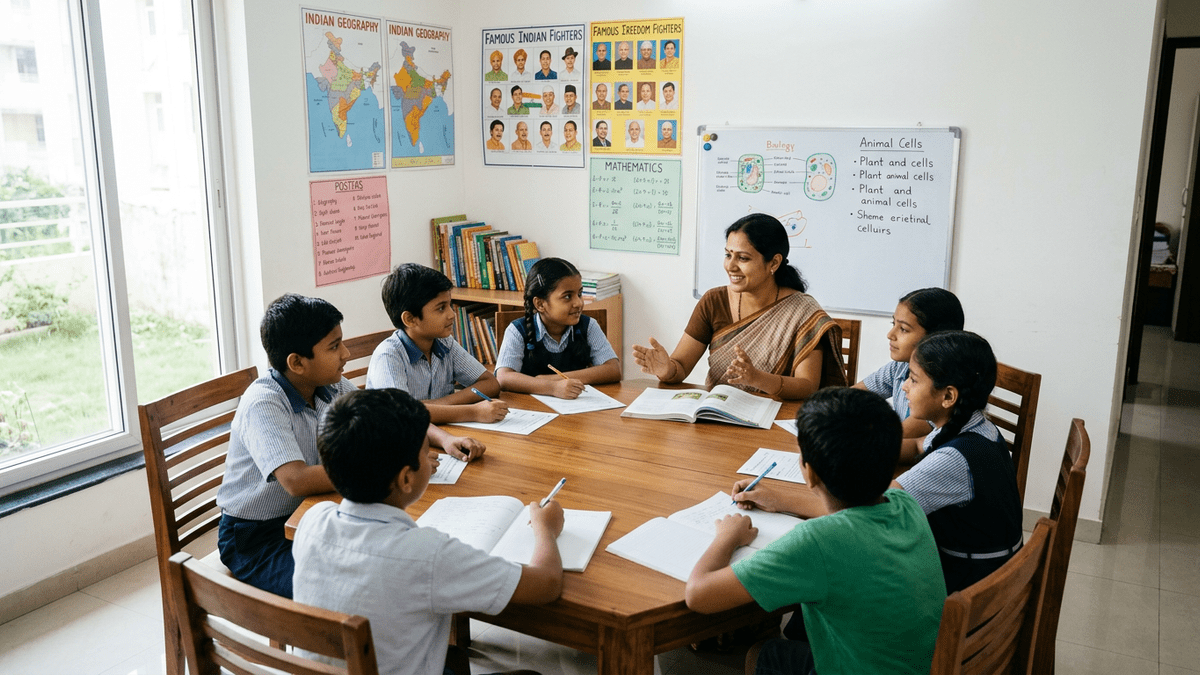
A microschool is simple. It’s a small learning group, typically 8-15 students, run from a home or community space by a trained educator. Unlike traditional schools, it’s personalised. Unlike homeschooling alone, it’s social and structured. And unlike franchise models, it’s yours to build.
Here’s the truth: you don’t need permission from anyone. You don’t need a fancy building. You need clarity on three things: your teaching model, your technology setup, and your first batch of students. This post walks you through all three.
Why Microschools Are Taking Off in India
The numbers are undeniable. India has over 1.4 million schools, yet learning outcomes remain poor. Education in India has shifted dramatically in the last five years. Parents want alternatives. They want quality. They want to know their child’s teacher personally.
Microschools solve this. They’re flexible. A parent can start one with just 5-8 children. You can focus on specific learning outcomes instead of chasing curriculum checkboxes. You can blend online and offline learning. You can actually see if a child is struggling and adjust on the spot.
The demand is real. Across metros and tier-2 cities, microschools are filling gaps that traditional schools leave behind. Parents are paying for this model because it works.
Step 1: Define Your Teaching Model
Before you buy anything or recruit students, know what you’re offering. Are you running a microschool for primary classes? Secondary? A skill-based program? Will you follow CBSE curriculum or a flexible framework?
Here’s what successful microschool operators in India do:
- They pick a specific age group or skill focus. Not everything to everyone.
- They blend subjects with real-world projects. Math becomes budgeting. Science becomes gardening.
- They use homeschooling in India principles but add peer learning and accountability.
- They stay aligned with board requirements if parents want formal certification.
Start small. One batch. One grade. One clear outcome. You can expand once you’ve proven the model works.
Step 2: Set Up Your Learning Space and Technology
Your home doesn’t need to look like a corporate office. But it needs to function like one. You need a dedicated learning space. A room with good light, decent seating, a whiteboard or smart board, and reliable internet.
Here’s where most parents stumble: they underestimate the technology they need.
You’ll need a computer or PC for lesson planning, assessments, and online teaching sessions. You’ll need software that helps you manage student progress, create content, and communicate with parents. You’ll need a camera and headset for recording lessons or conducting live sessions.
Instead of buying each piece separately and spending months figuring out compatibility, consider a bundle. The APNA PC bundle is designed exactly for educators like you. For Rs.30,000, you get a complete package: a Mini PC (i3 7th Gen, 8GB RAM, 128GB SSD), monitor, keyboard, mouse, webcam, headset, education software, 3-year warranty, and installation. Everything works together on day one.
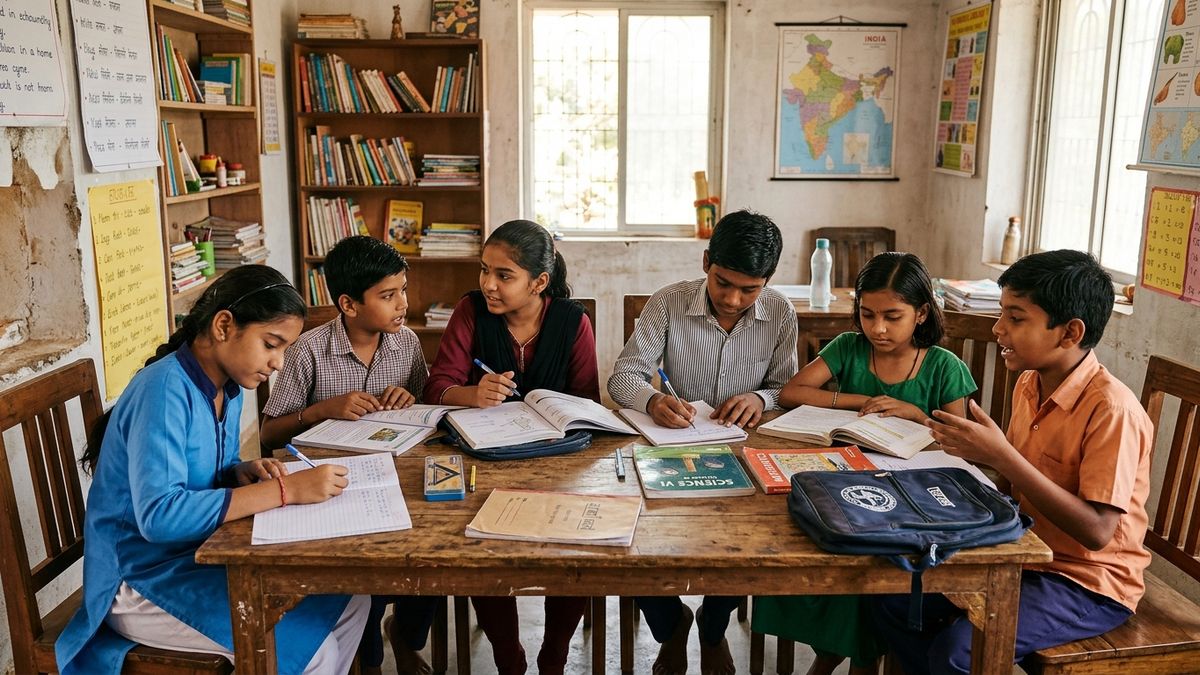
This isn’t just a PC. It’s your microschool’s backbone. It handles your curriculum delivery, student tracking, parent communication, and content creation. Three years of warranty means you’re not panicking if something breaks mid-session.
Step 3: Build Your First Batch of Students
Word of mouth is your strongest marketing tool. Tell parents in your network. Be specific about what you offer. Not “tutoring” or “classes”. Say: “I’m running a small learning group focused on conceptual understanding and project-based learning for Class 4-5 students.”
Offer a trial week or month. Let parents see the difference. Most will stay if they see their child actually engaged, asking questions, and understanding concepts instead of memorising them.
Start with 5-8 students. Seriously. Don’t wait for 20. Quality beats scale every single time.
Step 4: Become a Certified Educator (Optional But Smart)
You don’t need a teaching degree to run a microschool. But training helps. It builds parent confidence. It helps you handle diverse learners. It gives you frameworks for assessment and curriculum design.
Consider starting a learning centre with proper training. TeachToEarn offers programs specifically designed for parents and homemakers who want to transition into education entrepreneurship. You learn pedagogy, technology, business basics, and compliance all in one place.
The Legal Side (Don’t Skip This)
India’s education regulations are loosening for microschools and home-based learning centres, but they’re not non-existent. Check with your Ministry of Education guidelines for your state. Most states allow small home-based learning groups without formal registration if you’re not charging huge fees or operating like a school.
The safer route? Register as a Point of Digital Learning (POD). A POD is a home or community learning centre run by a trained educator. It’s a recognised model. It gives you legitimacy with parents and protects you legally.
What You’ll Actually Make
Let’s talk money. If you’re running a microschool for 8 students, charging Rs.3,000-5,000 per student per month (reasonable for quality microschools in India), you’re looking at Rs.24,000-40,000 monthly revenue. Minus your costs (rent allocation, utilities, software, materials), you’re netting Rs.15,000-25,000 per month. That’s a solid second income or full-time income depending on your location and student count.
Scale to 15 students and 2-3 batches, and you’re looking at sustainable income that rivals or beats a teaching job, with zero commute and full control.
Start Now. Not Tomorrow.
The barrier to entry for microschools in India has dropped. You have the technology (APNA PC handles it). You have the demand (parents are desperate for alternatives). You have the knowledge (you’re already a parent, you understand what kids need).
What you need is action. Pick your model. Set up your space. Find your first 5 students. Run them for a month. See what works. Adjust. Scale.
The microschool revolution in India isn’t coming from education ministers or EdTech billionaires. It’s coming from parents like you who decided that the current system isn’t good enough and did something about it.
Ready to start your microschool as a certified learning POD? TeachToEarn will guide you through training, technology setup, and launch. Your first batch of students is waiting.