
The College Shock: Why Digital Literacy for Students in India Matters Right Now
Your child walks into college on day one. The professor assigns a research project using Google Scholar, asks everyone to submit via a learning management system, and expects them to create a presentation in 48 hours. Your child freezes. This isn’t a hypothetical. It’s happening across Indian colleges right now.
Here’s the truth: digital literacy for students in India isn’t optional anymore. It’s the baseline. Yet most students arrive at college without it. They can scroll Instagram but can’t use Excel. They know TikTok but not how to navigate a university portal. This gap costs them grades, confidence, and opportunities.
Let’s be honest. Parents think their child will “pick it up” in college. Teachers assume someone else is teaching it. Students believe it’s not important because they own a phone. Everyone’s wrong.
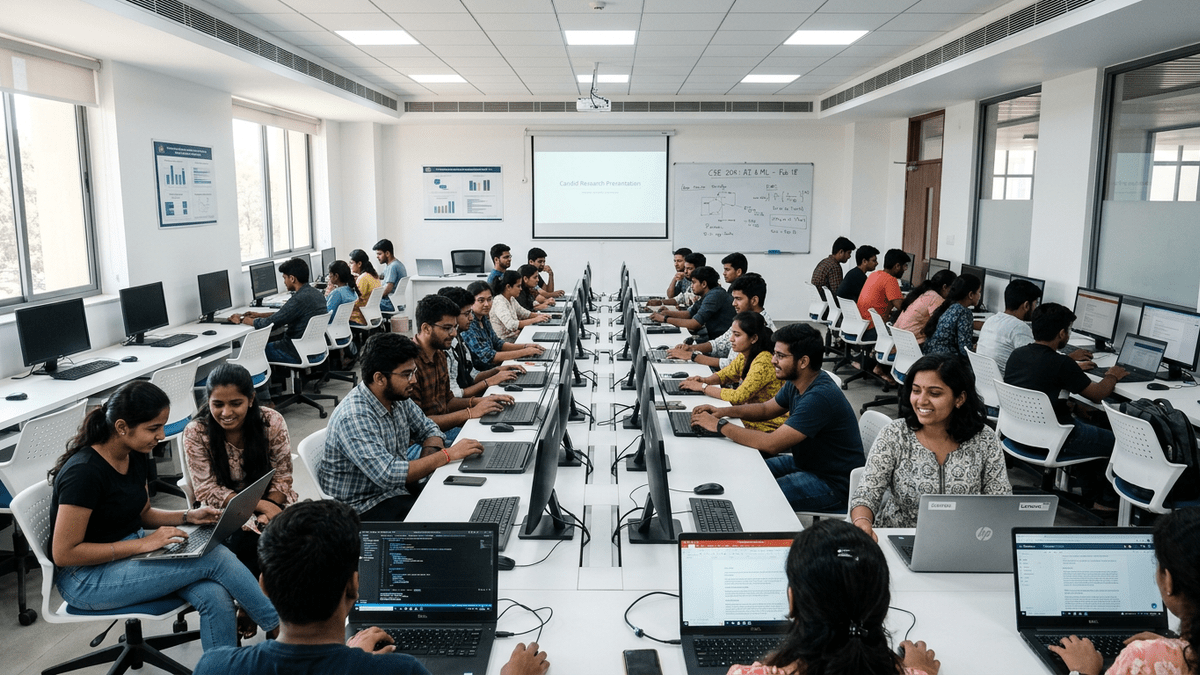
What Digital Literacy Actually Means for Indian Students
Most people don’t realise that digital literacy goes way beyond typing fast or knowing how to open Google Chrome. According to digital literacy definitions, it includes understanding how to find reliable information online, protect your privacy, use productivity software, and communicate effectively using digital tools.
Your student needs to:
- Use word processors, spreadsheets, and presentation software without fumbling
- Search effectively and evaluate sources for credibility
- Understand basic cybersecurity and password protection
- Navigate learning management systems (Blackboard, Canvas, Moodle)
- Collaborate using cloud tools like Google Drive and Microsoft Teams
- Troubleshoot basic technical problems independently
Indian schools teach computer science as theory. They don’t teach digital literacy as a practical life skill. There’s a massive difference. A student can score 95% in computer science and still not know how to write a professional email or use a spreadsheet for data analysis.
This is where the gap widens. Check out digital literacy in India trends to see how far behind we are compared to global standards.
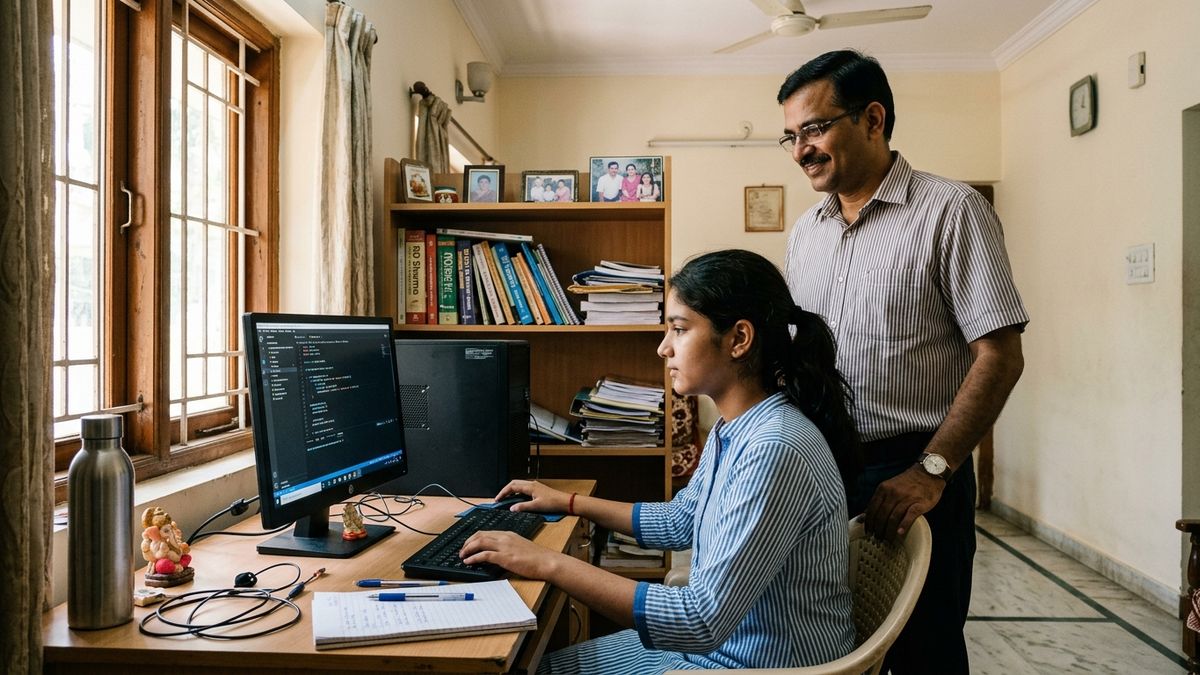
The College Reality: Digital Literacy Skills Are Non-Negotiable
Most people don’t realise that colleges have already gone digital. Attendance is marked online. Assignments are submitted through portals. Exams are conducted on computers. Group projects require collaboration software. Internship applications demand online portfolios. Your child without these computer skills is playing catch-up from day one.
Engineering colleges expect students to use CAD software. Commerce students need accounting software. Arts students need research databases. Medical students use online learning platforms. Every stream assumes baseline digital competence. And if your child doesn’t have it, they’re stressed from week one.
The government’s Digital India initiative recognizes this. But policy moves slow. Your child can’t wait for systemic change.
Why Your Child’s School Isn’t Teaching Digital Literacy
Schools have limited resources. Computer labs are outdated. Teachers are overloaded. Curriculum is rigid. Most schools focus on exam scores, not practical skills. Digital literacy gets squeezed out. And by the time your child realizes they need it, they’re already in college.
Parents can’t rely on schools alone. You need to take action before college admission.
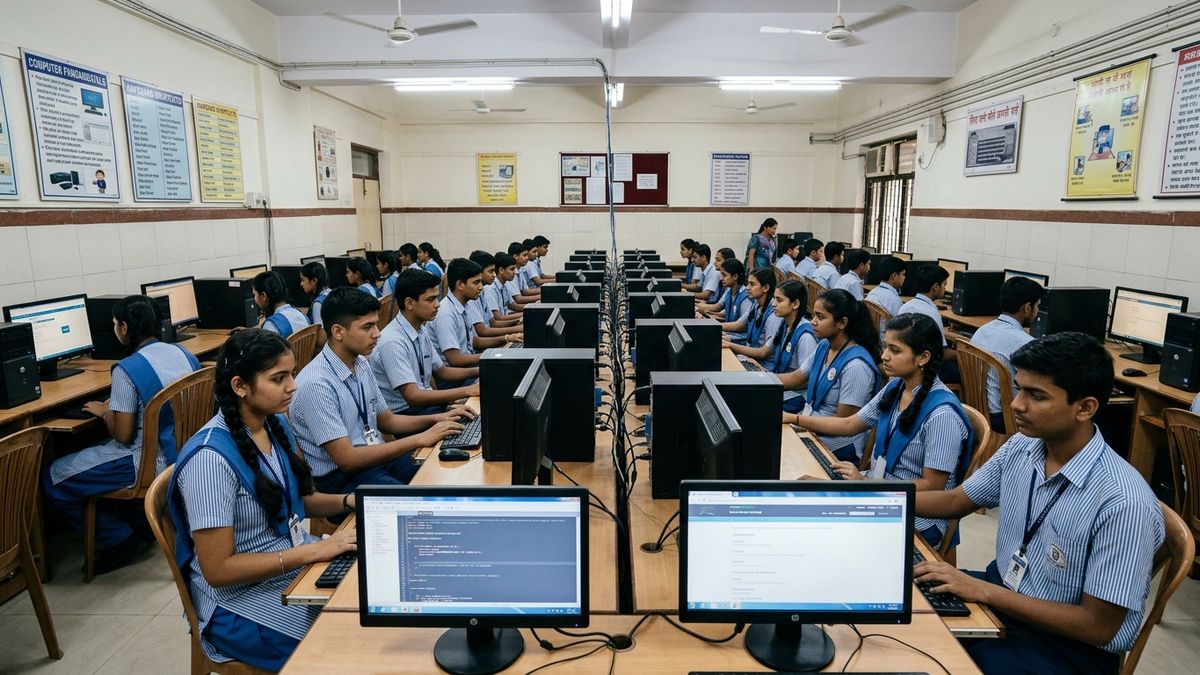
The Solution: Start Now With Proper Setup
Your child needs three things: a decent computer, proper education software, and guided practice. Not just access. Not just theory. Real, hands-on learning from someone who knows how to teach it.
This is where APNA PC changes the game. It’s a complete bundle designed specifically for Indian students. You get a mini PC with i3 7th Gen processor, 8GB RAM, 128GB SSD, plus monitor, keyboard, mouse, webcam, and headset. But here’s the kicker: it comes with education software and a 3-year warranty. Total investment: Rs.30,000.
But the hardware is just half the story. Your child needs guidance. That’s where a Point of Digital Learning (POD) comes in. A POD is a home or community learning centre run by a trained educator. Someone who understands how to teach digital skills, not just computer theory. Someone who can show your child how to actually use these tools for real tasks.
This combination works because:
- Your child learns on real equipment, not school lab computers from 2010
- Learning happens at their pace, not on a rigid school schedule
- A trained educator guides them, not a YouTube video
- They build confidence before college, not panic during it
- Skills are practical, not theoretical
Check out computer skills for jobs to see how these skills actually matter for your child’s future beyond college.
The Cost of Waiting Is Higher Than You Think
Yes, Rs.30,000 feels like an investment. But consider the alternative. Your child struggles in college. Grades drop. Confidence takes a hit. Internship opportunities slip away because they can’t handle the technical requirements. Job prospects shrink because employers expect baseline digital competence.
The real cost isn’t the money. It’s the wasted potential.
Every month you wait is a month your child isn’t building these skills. College starts soon. Admissions are happening now. Your child needs to walk in ready, not scrambling.
Start today. Get APNA PC. Find a POD near you. Give your child the advantage.
Explore APNA PC and transform your child’s digital readiness