What Is a Microschool and Why India Needs It Now
Here’s the truth: traditional schooling is broken for millions of Indian families. Your child sits in a classroom of 50 students. The teacher can’t give individual attention. The curriculum doesn’t match what employers actually want. And you’re paying ₹2-5 lakhs annually for mediocre results.
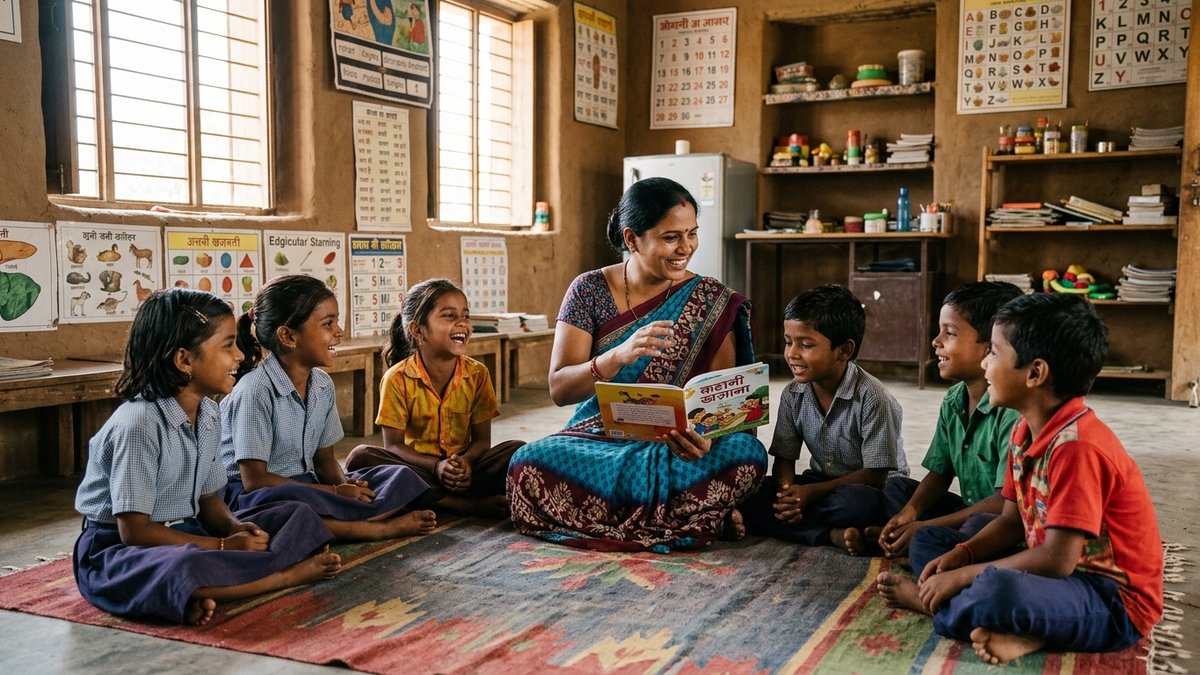
A microschool India model fixes this. It’s small. Personalised. Affordable. A microschool is typically a learning centre with 15-30 students, run by trained educators, using technology to deliver quality education. Think of it as the sweet spot between expensive private schools and overcrowded government institutions.
Most people don’t realise that starting a microschool isn’t about competing with big schools. It’s about serving families who’ve been failed by the system. Parents want options. Communities want access. And you can provide both.
Let’s be honest: if you’re a homemaker, retired teacher, or tuition professional, this is your moment. India’s National Education Policy now supports alternative learning models. The demand is real. The opportunity is massive.
The Microschool Business Model That Actually Works
Before you start a microschool, understand the numbers. Most successful microschools operate on a simple formula:
- 20-25 students per batch
- Monthly fees of ₹3,000-8,000 per student (varies by location and subjects)
- Monthly revenue: ₹60,000-2,00,000
- Operating costs: rent, teacher salary, utilities, software
- Break-even: 8-12 months with disciplined execution
Your microschool business can focus on specific areas: foundational literacy, maths coaching, competitive exam prep, skill development, or hybrid models. Don’t try to be everything. Pick one, dominate it, then expand.
Location matters enormously. Run your microschool from a spare room in your home, a community centre, or rent a small space in a residential area. Families prefer learning centres close to home. No fancy infrastructure needed.
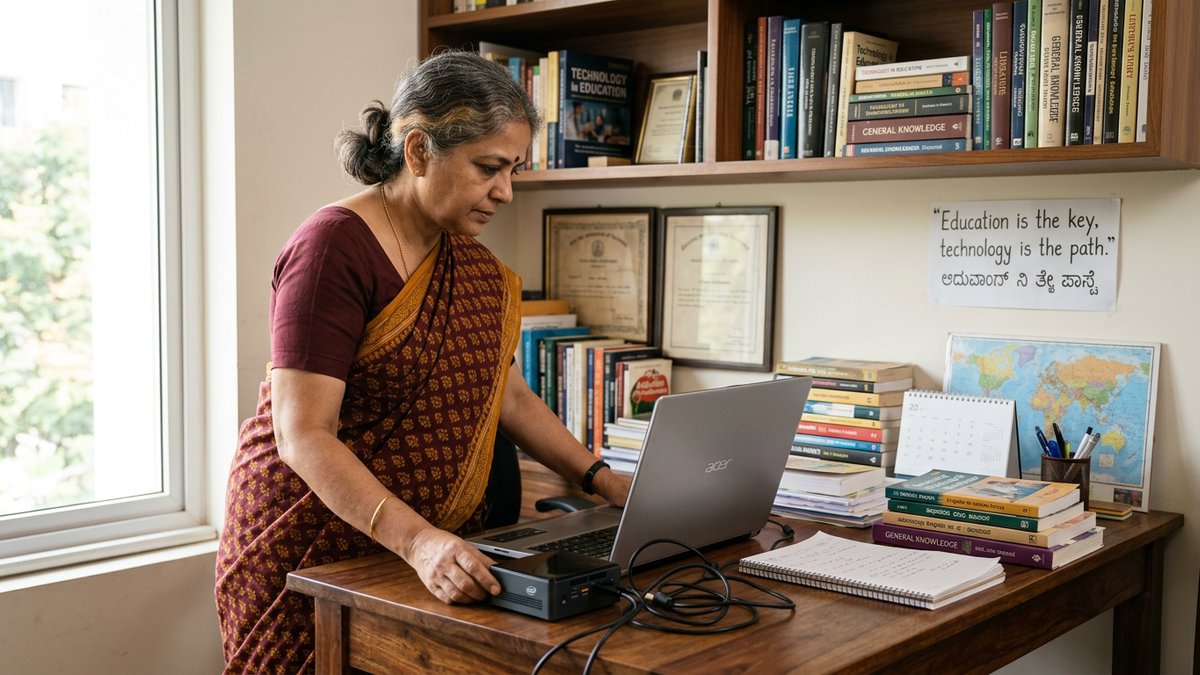
The real differentiator? Technology. This is where APNA PC comes in. You need reliable hardware to deliver digital content, conduct online classes, and track student progress. Most educators buy expensive laptops and face constant problems. Instead, invest in APNA PC: a complete bundle at just ₹30,000 with Mini PC (i3 7th Gen, 8GB RAM, 128GB SSD), monitor, keyboard, mouse, webcam, headset, education software, 3-year warranty, and installation.
It’s not fancy. It’s bulletproof. It works.
Five Steps to Launch Your Microschool in 2026
Step 1: Validate Your Idea
Don’t guess. Survey 30-50 families in your target area. Ask what they need. What problems do their children face? What are they currently spending on education? This takes one week and costs nothing.
Step 2: Choose Your POD Model
A Point of Digital Learning (POD) is a home or community learning centre run by a trained educator. This is the microschool structure that works in India. You can operate from your home initially. Low overhead. High flexibility. Real impact.
TeachToEarn helps you set up a POD with curriculum, training, and technology support. This removes the guesswork.
Step 3: Get Your Technology Right
Buy APNA PC. Install education software. Test it. Make sure it runs smoothly before you bring students in. Hardware failures destroy trust. Don’t compromise here.
Step 4: Hire or Train Your First Educator
You don’t have to teach everything yourself. Hire a trained teacher or tutor. Train them on your curriculum and pedagogy. Start with one batch of 15-20 students. Prove the model works.
Step 5: Market Ruthlessly (But Smartly)
Flyers don’t work anymore. WhatsApp groups do. Parent testimonials do. Word-of-mouth does. Run a free trial class. Invite neighbourhood families. Offer a referral bonus. Get your first 15 students through personal outreach, not advertising spend.
Why Homemakers and Senior Citizens Should Start a Microschool
If you’re a homemaker, you already have domain expertise in child development, patience, and household management. Starting a microschool from home leverages these strengths. You work flexible hours. You control your income. You contribute to your community.
If you’re a senior citizen with teaching experience, you have credibility parents trust. Your experience is an asset, not a liability. A microschool lets you stay active, earn income, and pass on knowledge.
Tuition teachers should absolutely consider this. You’re already running small batches. A microschool is the next logical step. Better structure. Better income. Better sustainability.
The microschool business isn’t about getting rich quick. It’s about building something meaningful that generates consistent income.
Common Mistakes to Avoid
Don’t start without understanding your local regulations. Check with your municipal corporation and education board. Some areas have specific requirements for learning centres. Know them upfront.
Don’t invest in fancy infrastructure before proving demand. Start lean. Upgrade as you grow.
Don’t ignore technology. Your students expect it. Parents expect it. But buy reliable, affordable tools like APNA PC instead of overpriced alternatives.
Don’t hire teachers without training them on your specific curriculum and methods. A good teacher in the wrong system underperforms.
Ready to start your microschool? The path is clear. The demand is real. The technology is affordable. What’s stopping you?
Learn how to start your POD today. Get started with TeachToEarn’s complete microschool setup guide.
Or explore how others are starting a coaching class business and setting up a digital learning centre with proven models.
Want to understand the broader context? Check out traditional schooling models and how India’s National Education Policy is reshaping education delivery.