
Your Living Room Can Become a Learning Hub. Here’s How.
Most people don’t realise that the biggest barrier to starting a tuition teacher learning pod isn’t pedagogy or students. It’s confidence. You already know how to teach. You already have students knocking on your door. What you’re missing is permission to think bigger than a one-on-one tuition model.
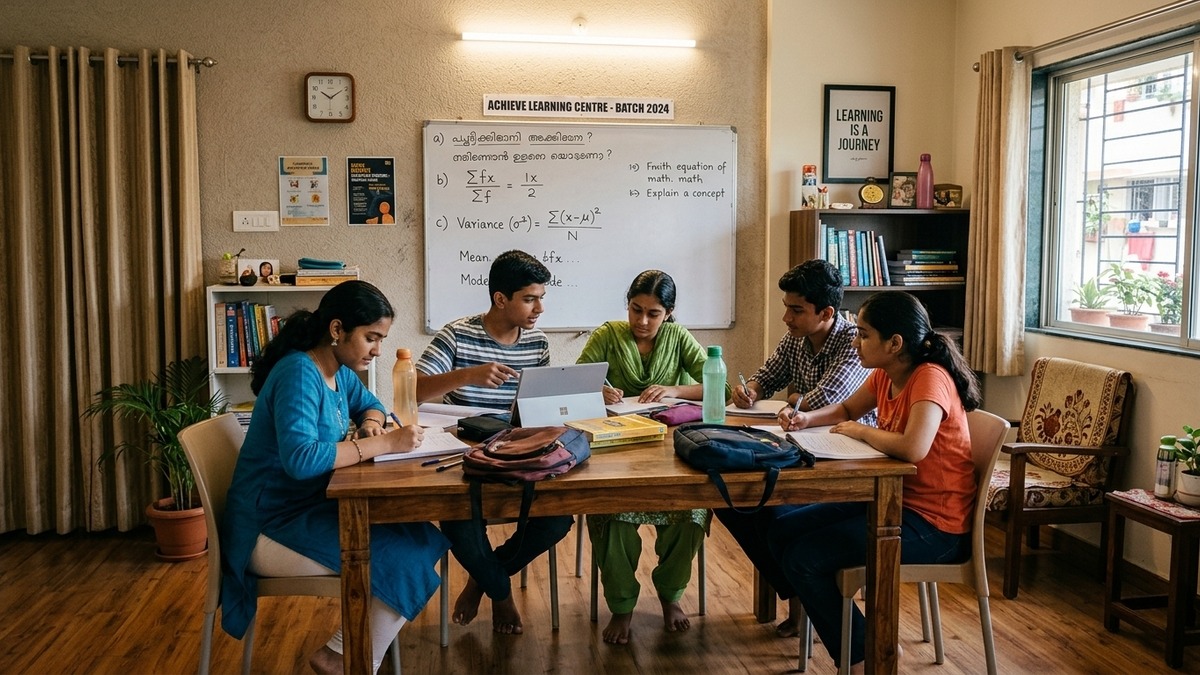
A learning pod is simply a Point of Digital Learning (POD) run from your home or community space. It’s where 8-12 students learn together under your guidance, using structured curriculum and digital tools. Not a coaching centre. Not a school. Something in between. Something that works for India’s edupreneurs right now.
Let’s be honest: the tuition business in India is fragmented. Teachers operate solo. Parents hunt endlessly for quality instruction. Students bounce between multiple tutors. A learning pod fixes this broken system. You become the anchor. The students stay consistent. The parents get peace of mind.
Here’s the truth: you don’t need a fancy building or fancy credentials to start. You need a plan, a space, and the right tools.
Why a Learning Pod Beats Solo Tuition
When you run a tuition teacher learning pod from home, several things shift immediately:
- Your income scales without proportional effort increase. Ten students paying Rs.2,000 monthly is Rs.20,000 recurring revenue. One tuition student at Rs.500/hour means you’re capped by hours in a day.
- Students learn from peer interaction. Research in learning science principles shows that collaborative environments boost retention by 30-40%. Your solo students miss this entirely.
- Parents trust a structured centre more than a solo teacher. Perception matters in the tuition business India market.
- You build a brand, not just a reputation. “Ms. Sharma’s tuitions” sounds small. “Sharma Learning Centre” sounds like an institution.
- Digital tools amplify your reach. You can teach hybrid. Some students in-person, some online. One curriculum, multiple delivery modes.
Starting a pod business in India means thinking like an entrepreneur, not just a teacher. The mindset shift is the hardest part. The execution is straightforward.
The Three Non-Negotiables for Your Pod
Space. Your living room works if it’s 250+ square feet. A spare bedroom works. A community hall you rent for evening hours works. What doesn’t work: cramming 10 kids into a 100 sq ft room. They can’t focus. You can’t manage. Parents complain. Dead pod.
Curriculum. Don’t wing it. Don’t mix three different board syllabi. Pick one: CBSE, ICSE, State Board. Build your POD around it. Use platforms like DIKSHA digital learning platform for supplementary content. Structure beats improvisation every single time.
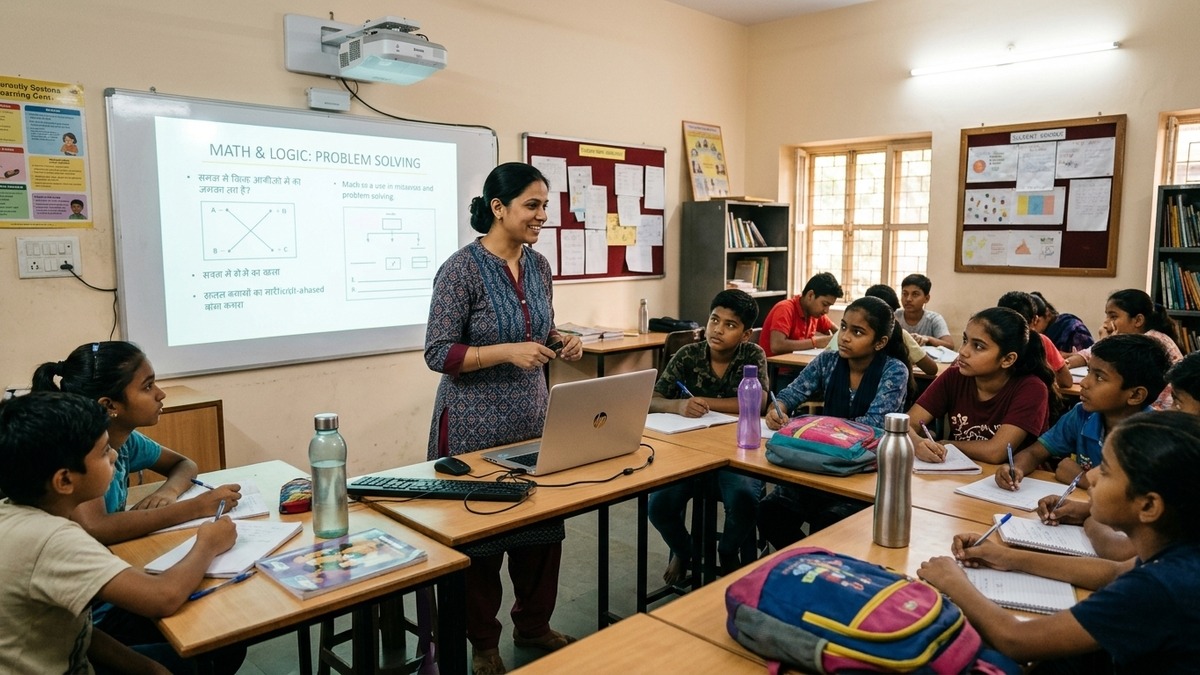
Technology. Here’s where most teachers stumble. They think they need expensive setups. Wrong. You need one reliable system: APNA PC. It’s a complete bundle at Rs.30,000. Mini PC with i3 7th Gen processor, 8GB RAM, 128GB SSD, plus monitor, keyboard, mouse, webcam, headset. Three-year warranty. Installation included. That’s your entire digital infrastructure. Project content on a screen. Record lessons. Run online sessions when needed. One investment. Done.
Why APNA PC specifically? Because it’s built for Indian edupreneurs. It’s not overkill. It’s not underpowered. It’s exactly what a home learning centre needs. And the warranty means you’re not stressed about breakdowns derailing your business.
Your First 90 Days: The Actual Roadmap
Days 1-15: Planning phase. Decide your subject and grade level. Don’t try to teach everything to everyone. Pick Class 6-8 English. Or Class 9-10 Mathematics. Own that niche. Survey 15-20 parents in your network. Ask: would you pay Rs.2,500/month for group learning with this teacher? Write down their exact concerns. Address them in your POD design.
Days 16-30: Space and setup. Identify your location. If it’s your home, dedicate a room. Paint it. Add a whiteboard. Get basic furniture: a table for you, benches or chairs for students. Install APNA PC. Test it. Make sure the projector or monitor display is visible from every seat. Webcam positioning matters if you’ll go hybrid later.
Days 31-60: Curriculum mapping. Take your chosen subject and board. Break it into 12-week modules. Create a simple schedule. Monday-Wednesday-Friday for theory. Tuesday-Thursday for practice and doubt-clearing. Use DIKSHA or your own materials. The goal: predictability. Parents know exactly what their child will learn and when.
Days 61-90: Launch and iterate. Start with 6-8 students, not 12. You’ll discover what works and what doesn’t. Maybe your timing is wrong. Maybe your content pacing is off. Maybe parents need a weekly progress report. Adjust. After 90 days, you’ll have a repeatable system. Then scale to 10-12 students.
This isn’t theory. This is what works for setting up a coaching centre with a computer lab or a home learning pod across India right now.
The Money Question: Will It Actually Work?
Let’s run the numbers for a learning pod with 10 students, Class 8 Mathematics, Rs.2,500/month per student:
- Monthly revenue: Rs.25,000
- Space cost (if rented): Rs.3,000
- Curriculum materials and DIKSHA subscription: Rs.500
- Miscellaneous: Rs.500
- Your net: Rs.20,500 monthly. Rs.2,46,000 annually from one pod.
Now add a second pod. Different time slot. Same space. Different subject or grade. Your revenue doubles. Your costs don’t. This is why pod business in India is the move for teachers ready to scale.
The upfront investment? APNA PC at Rs.30,000. Basic furniture and supplies: Rs.10,000-15,000. Total: Rs.40,000-45,000. You recover this in two months. After that, it’s profit.
One Last Thing: You’re More Ready Than You Think
You’ve been teaching for years. You know your subject. You know what kids struggle with. You know how to explain concepts. The only gap is operational: how to run this as a business, not a hobby.
That gap closes when you have a plan, a space, and the right tools. APNA PC handles the tools. Your decision handles the rest.
Ready to move from solo tuition to a learning pod? Start your Learning Pod with TeachToEarn. We’ll walk you through every step.