Your Child Is Already Behind. Here’s Why.
Let’s be honest: if your child cannot use a computer confidently by 2026, they will struggle. Not someday. Now. Digital literacy for Indian students is no longer a nice-to-have skill. It’s the foundation everything else builds on. Your child’s classmates are learning coding. They’re submitting assignments online. They’re taking mock tests on tablets. And if your kid isn’t there yet, the gap widens every single day.
Most people don’t realise that digital literacy isn’t just about clicking a mouse. It’s about understanding how information flows, how to find reliable sources, how to communicate online safely, and how to solve problems using technology. These are survival skills in 2026. Not optional upgrades.
Why Schools Alone Won’t Cut It
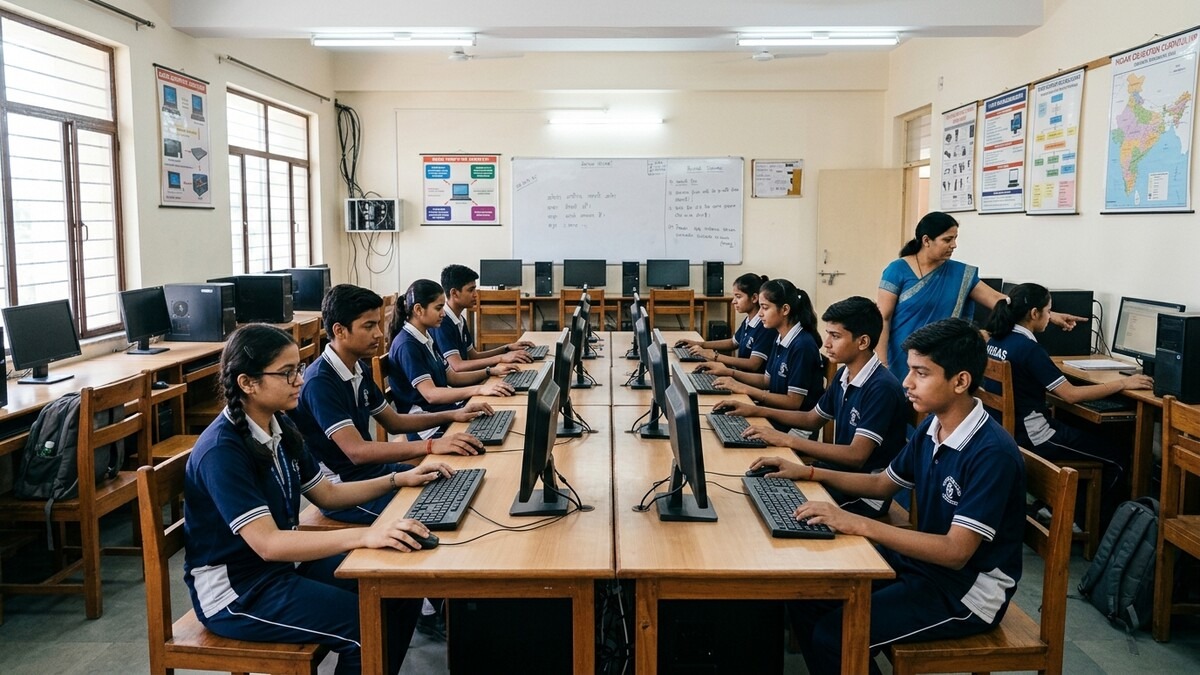
Here is the truth: most Indian schools have computer labs that are either outdated, overcrowded, or both. Your child gets maybe one hour a week on shared machines. One hour. That’s not enough to build real confidence. That’s not enough to practice. That’s not enough to fail safely and learn.
Meanwhile, students in metros and private schools are getting hands-on experience every day. They’re learning digital skills for students that go beyond what textbooks teach. They’re building projects. They’re experimenting. They’re becoming comfortable with technology in ways that classroom drills simply cannot replicate.
Your child needs practice. Real, consistent, supervised practice. Not lectures. Not theory. Actual time on a machine, learning by doing, with someone nearby who can guide them.
That’s where a Point of Digital Learning (POD) comes in. A POD is a home or community learning centre run by a trained educator. It’s small. It’s personal. It’s designed for Indian students who need to catch up fast.
What Digital Literacy Actually Means for Your Child
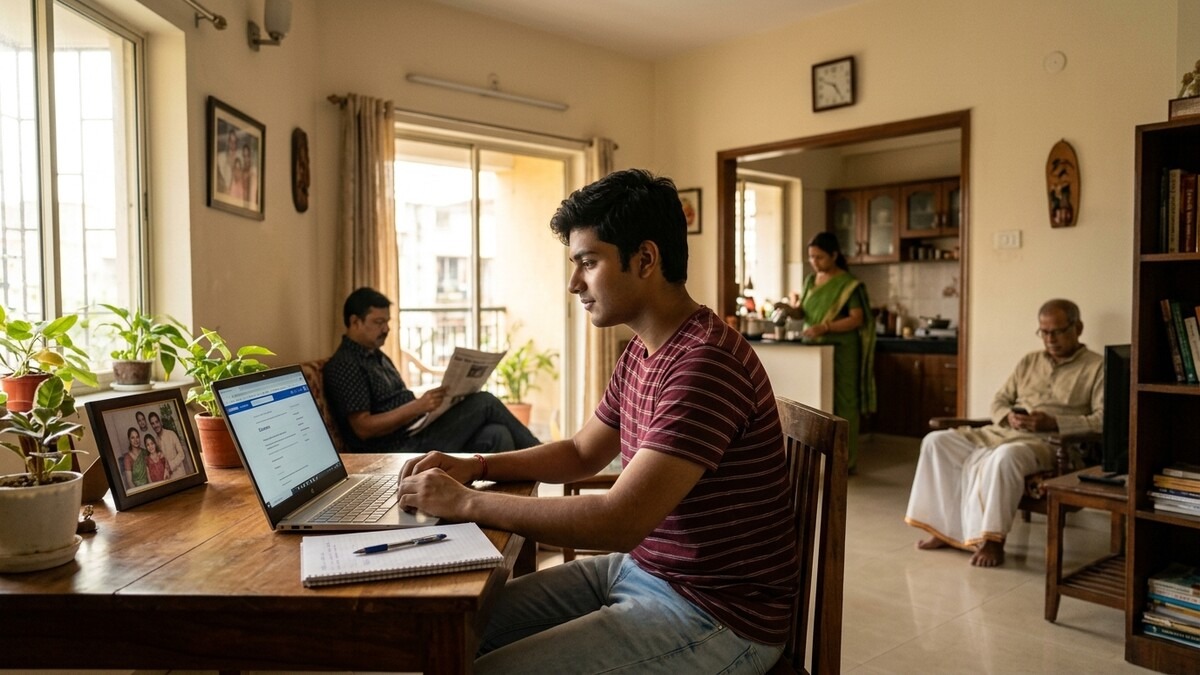
Let’s break this down into what matters:
- Computer basics: Operating systems, file management, keyboard shortcuts, software basics. This is the alphabet of the digital world. Without it, everything else is harder. Check out computer basics every student should know to see what your child should be learning.
- Online safety: Passwords, phishing scams, privacy settings, recognising fake information. Your child needs to know these things before something goes wrong.
- Basic productivity: Word processing, spreadsheets, presentations. These aren’t fancy skills. They’re essential. Every competitive exam, every college application, every job interview will involve these tools.
- Digital citizenship: How to behave online, how to communicate respectfully, how to give credit to sources. The internet is permanent. Your child needs to understand that.
- Problem-solving with tech: Troubleshooting, learning new software independently, knowing when and how to ask for help online. This is the meta-skill that lets your child keep learning forever.
These aren’t luxuries. These are digital skills for career growth. Every career. Every field. Every future.
The APNA PC Solution: No More Excuses
The biggest excuse parents make is: “We don’t have a computer at home.”
That excuse just died.
APNA PC is a complete bundle. It’s not expensive. It’s Rs.30,000. That’s one semester of tuition for most kids. What you get:
- Mini PC (i3 7th Gen processor, 8GB RAM, 128GB SSD) – enough power for learning, coding, and everyday tasks
- Monitor, keyboard, mouse, webcam, headset – everything ready to go
- Education software bundle – pre-loaded with tools for learning
- 3-year warranty and installation included
This isn’t a toy. This is a real machine that will serve your child through school, college, and into their career. And it comes with proper support.
How a POD Works (And Why It Works)
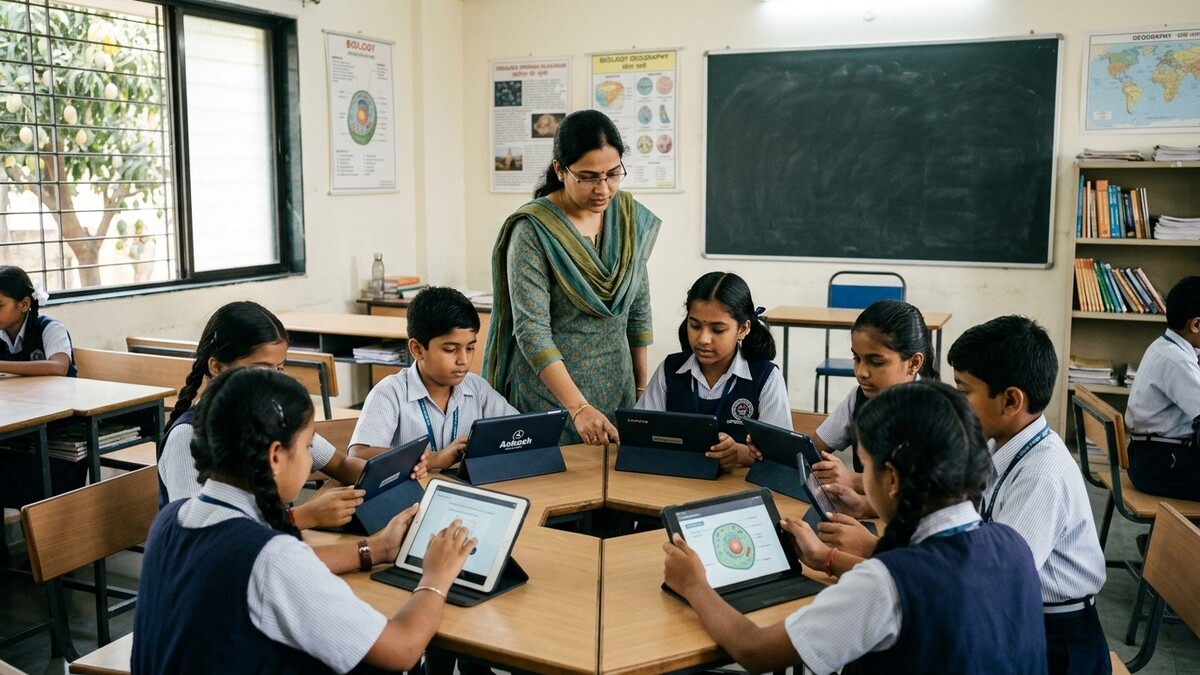
A Point of Digital Learning is simple. It’s a trained educator who runs classes from home or a small community centre. Small batches. Real machines. Hands-on learning. Your child learns at a pace that makes sense for them, not at the speed of a 40-student classroom.
The educator uses APNA PC bundles to set up a proper learning environment. They follow a curriculum that covers digital literacy from the ground up. They track progress. They give feedback. They make sure your child actually understands, not just memorises.
This is education that works for Indian families. Affordable. Local. Personalised. Real.
Start Now. Your Child’s Future Depends On It.
The students who are ahead right now will stay ahead. The gap only gets bigger. Your child doesn’t need to be a tech genius. They just need to be competent. Confident. Comfortable with computers. That’s the baseline in 2026.
If you’re an educator, a homemaker with teaching skills, or someone who wants to make a real difference in your community, you can run a POD. You can be the person who gives 20 kids in your area the foundation they need. You can build a sustainable income doing something meaningful.
Start a Teach to Earn learning pod today and become part of the solution.
Your child’s future isn’t going to wait. Neither should you.
Learn more about digital literacy and check out resources like the DIKSHA digital learning platform to see what’s available.