
Why Smart Exam Preparation Tips for Students Matter
Effective exam preparation tips for students go beyond last-minute cramming. Research shows that structured, consistent study habits improve retention by up to 70%. When students follow smart study strategies from the start, they build confidence and reduce anxiety. Parents often ask us how they can support their children better, and the answer lies in understanding that quality beats quantity. A two-hour focused study session using proven exam preparation tips for students delivers better results than six hours of unfocused reading.
Essential Exam Preparation Tips for Students: The Foundation
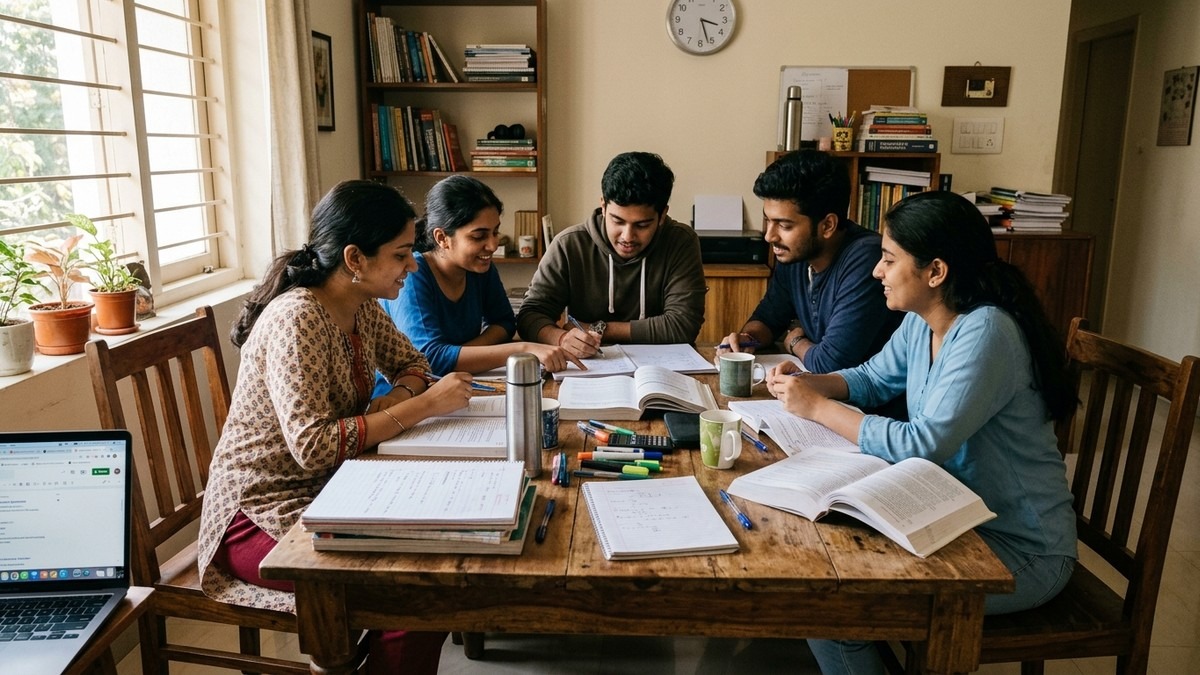
Start by creating a dedicated study space at home. This could be a corner of your child’s room or a shared learning area. The environment matters because it signals to the brain that learning is happening. Remove distractions like phones and social media notifications. Next, develop a realistic study schedule. Instead of cramming everything into the last week, spread learning across weeks leading up to exams.
Create a subject-wise breakdown of topics. For CBSE students, visit CBSE official website to access the complete syllabus and exam patterns. This helps you prioritize chapters based on weightage and difficulty level. Document your exam preparation tips for students in a simple chart that shows which topics need more time.
Smart Study Strategies That Deliver Real Results
The Pomodoro Technique is one of the most effective smart study strategies. Students study for 25 minutes with complete focus, then take a 5-minute break. After four cycles, they take a longer 15-minute break. This approach prevents burnout and maintains concentration levels.
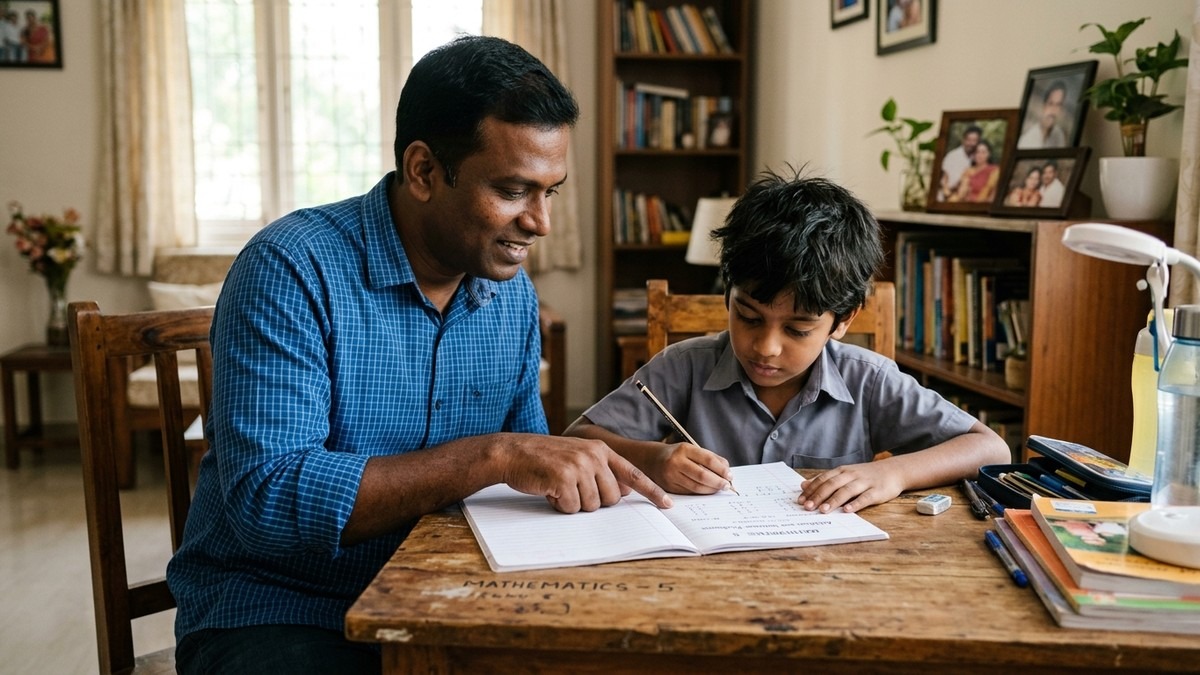
Active recall is another powerful strategy. Instead of re-reading textbooks, your child should test themselves. Create flashcards, solve previous year question papers, and attempt mock tests. This method strengthens memory pathways and identifies weak areas early. For subjects like Mathematics and Science, practice problems daily. Don’t just read solutions; work through them step-by-step.
Mind mapping helps visual learners. Get your child to create diagrams connecting concepts. For History or Social Studies, timeline-based mind maps work brilliantly. For Science, flowcharts showing cause-and-effect relationships are invaluable.
Exam Tips for Indian Students: Subject-Specific Approaches
Different subjects need different exam preparation tips for students. For Language subjects (English, Hindi), focus on reading comprehension, grammar rules, and essay writing. Practice writing answers within time limits. For Mathematics, solve at least 50 problems per chapter. For Science, balance theory with practical understanding. Biology students should draw diagrams repeatedly. Physics and Chemistry students need to understand concepts before memorizing formulas.
Social Studies requires understanding rather than rote learning. Connect historical events to current affairs. Geography needs map practice. These exam tips for Indian students align with how CBSE and state boards evaluate students.
Nutrition, Sleep, and Mental Health During Exam Season
Smart study strategies aren’t just about books. Your child’s body and mind need fuel. Ensure they eat nutritious meals, stay hydrated, and sleep 7-8 hours daily. Sleep consolidates memory, so sacrificing sleep for extra study actually reduces performance. During exam preparation tips for students implementation, encourage short walks or light exercise. Physical activity reduces stress and improves focus.
Monitor your child’s stress levels. If they seem overwhelmed, break study sessions into smaller chunks. Celebrate small wins to boost confidence. Positive reinforcement works better than criticism.
Leveraging Technology for Better Exam Preparation
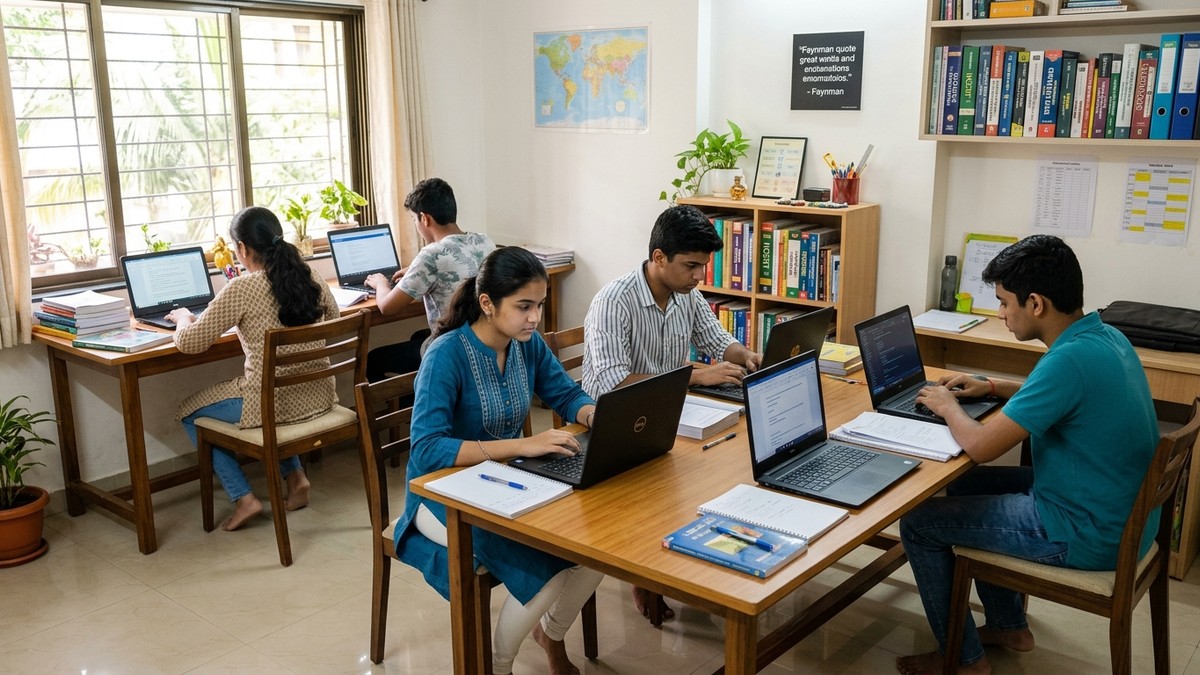
Home-based learning centers using APNA PC (Rs.30,000 complete bundle) can provide structured exam preparation. APNA PC includes curated study materials, practice tests, and progress tracking. This technology-enabled approach helps students learn at their own pace while parents monitor progress. If you’re running a POD or considering starting one, APNA PC offers comprehensive tools for exam preparation. Learn more about how Your School Needs Proof Parents Can See with APNA PC’s parent dashboard.
Creating an Accountability System
Weekly check-ins work wonders. Every Sunday, review what was studied, what was learned, and what needs revision. Adjust the schedule based on progress. If your child struggled with a topic, allocate more time the following week. This flexibility, combined with consistent exam preparation tips for students, ensures nothing falls through the cracks.
Consider joining a study group or POD environment where children learn together. Peer learning reinforces concepts and keeps motivation high. Many successful PODs across India use APNA PC to deliver this collaborative learning experience. Explore how Microschools Using APNA PC implement these strategies effectively.
The Week Before Exams: Final Polish
In the final week, shift focus from learning new content to revision and practice tests. Solve at least two full-length mock papers per subject. Review mistakes carefully. Read through your notes and mind maps. Avoid introducing new topics at this stage. This final exam preparation tips for students approach builds confidence and ensures readiness.
Ready to transform your child’s exam preparation? If you’re a parent seeking structured support or an educator looking to run a professional learning center, APNA PC (Rs.30,000 complete bundle) provides everything needed. Start your home learning center with APNA PC and give your child the advantage of personalized, technology-enabled education. Start your home learning center with APNA PC today and join thousands of successful PODs transforming education across India.