
Why AI in Indian Schools Matters Now
India’s education system serves over 250 million students. Traditional methods can’t personalize learning for every child. AI in Indian schools fills this gap by identifying struggling students early and suggesting targeted interventions before they fall behind.
Government initiatives like Digital India and the National Education Policy 2020 actively encourage AI adoption. Schools implementing these tools report improved student engagement and better learning outcomes. Parents see real results when their children use AI-powered platforms.
APNA PC offers training programs that prepare educators to integrate AI effectively. The complete bundle costs just Rs.30,000 and covers everything teachers need to implement AI in classrooms.
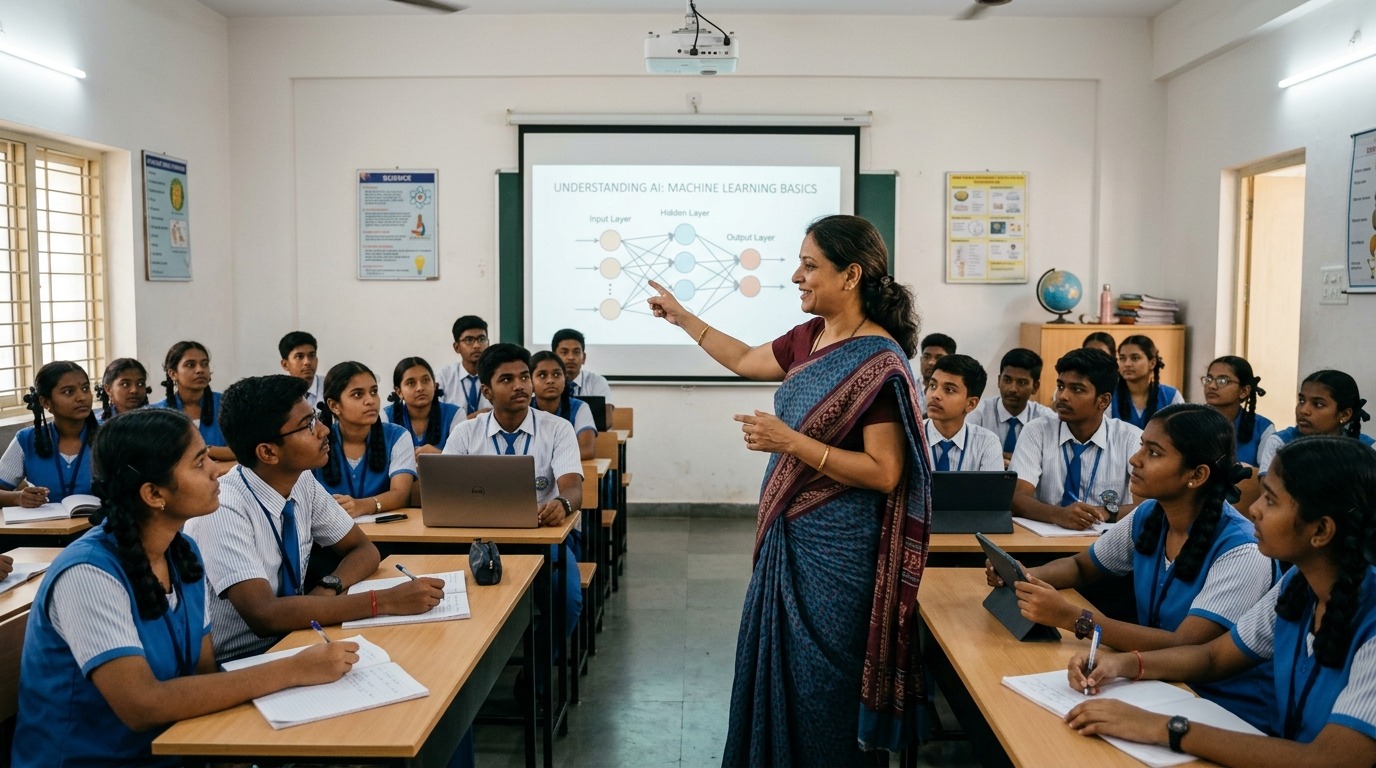
Real Applications of AI in Indian Schools Today
Adaptive learning platforms adjust difficulty based on student performance. If a child struggles with fractions, the system provides extra practice. If they master the concept, it moves forward. This keeps every learner challenged but not frustrated.
Intelligent tutoring systems work like personal coaches. They explain concepts in multiple ways until students understand. Many Indian schools now use these systems for math, science, and languages with impressive results.
Automated grading saves teachers hours each week. Multiple-choice tests, coding assignments, and even essays get evaluated instantly. Teachers redirect this time toward one-on-one student interactions and creative lesson planning.
Predictive analytics identify at-risk students. Schools can intervene early with support programs. This data-driven approach has reduced dropout rates in several Indian districts.
Challenges Schools Face When Implementing AI
Infrastructure remains the biggest hurdle. Rural schools lack reliable internet and modern computers. Urban schools have better resources but need teacher training to use AI tools effectively.
Teacher resistance slows adoption. Many educators worry AI will replace them or complicate their work. Professional development programs address these concerns and show how AI actually reduces teacher workload.
Data privacy concerns are valid. Schools must protect student information carefully. Indian schools should follow guidelines from organizations like Digital India to ensure safe implementation.
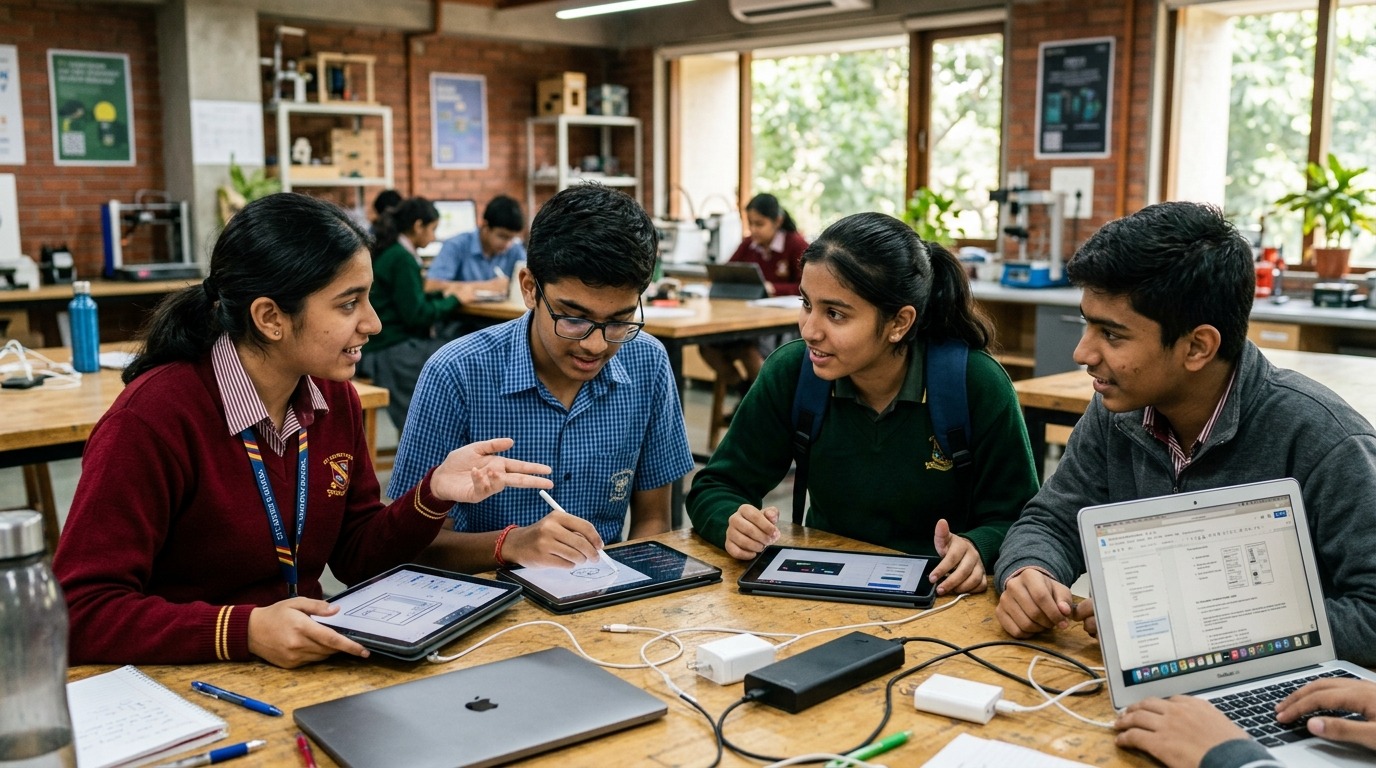
Steps Schools Can Take to Start Using AI
Begin with one subject or grade level. Don’t try to transform everything overnight. Pilot programs help identify what works before scaling up across the school.
Train teachers first. They need hands-on experience with AI tools before using them in classrooms. APNA PC provides comprehensive training that builds confidence and competence.
Choose reliable platforms aligned with your curriculum. Indian platforms like those recommended by DIKSHA integrate well with existing systems and support Indian languages.
Involve parents in the process. Explain how AI helps their children learn better. Transparent communication builds support for new initiatives.
The Future of AI in Indian Schools
By 2026, AI in Indian schools will be mainstream, not experimental. More schools will use intelligent systems for personalized learning, administrative efficiency, and career guidance.
AI will help bridge educational gaps between urban and rural areas. Virtual classrooms powered by AI can deliver quality instruction regardless of location. Every Indian student deserves access to excellent education.
Teachers will evolve into facilitators and mentors rather than information deliverers. This shift creates more meaningful student-teacher relationships and develops critical thinking skills.
Schools implementing AI today gain competitive advantages. Their students develop digital fluency and adapt faster to technological change. They’re better prepared for higher education and modern careers.
Ready to transform your school with AI? Explore APNA PC’s teacher training programs. The Rs.30,000 complete bundle includes everything you need to integrate AI successfully. Visit TeachToEarn to learn more about professional development that actually works.