Board Exam Students Are Being Left Behind Without Digital Skills
Your child can score 95% in Mathematics but still fail in the real world if they cannot use a computer, navigate online resources, or type faster than a snail. This is not exaggeration. This is what’s happening right now in Indian classrooms and homes across the country.
Board exam preparation has always been intense. Parents hire tutors. Students memorise textbooks. Coaching centres promise shortcuts. But here’s what nobody talks about: digital skills for board exam students are no longer optional extras. They are survival skills. The Central Board of Secondary Education has introduced online components. Competitive exams demand computer literacy. College applications require digital submission. Yet most board exam students still prepare the way their parents did twenty years ago.
Lets be honest: if your child cannot type an answer in 15 minutes, cannot search for reliable information online, cannot use a spreadsheet to track their progress, they are already behind. Not in marks. In readiness.
Key Takeaways
- Board exam students need digital skills beyond textbooks, because good marks alone do not prepare them for online applications, digital submissions and computer-based tests.
- Textbooks are static, while online resources, practice tests and videos let a student revise in the way that suits them.
- Basic typing, finding reliable information online and using a spreadsheet to track revision are the practical skills the article highlights.
- A quiet study corner with a proper computer, at home or at a nearby POD, makes these skills part of daily preparation rather than an extra chore.
- Digital skills do not replace textbook study; they make preparation more organised and leave students ready for college and work.
Why Textbooks Alone Are Not Enough Anymore
Textbooks are static. They sit on a shelf. They dont adapt to how your child learns. They dont give instant feedback. They dont show you where your child is weak in real time.
Here is the truth: the best board exam students today use multiple tools. They watch concept videos. They solve problems on interactive platforms. They take digital notes that they can search and reorganise. They use timers and progress trackers. They collaborate with peers online.
Most people dont realise that digital literacy directly impacts exam performance. Consider these facts:
- Students who type their notes retain 25% more information than those who handwrite
- Online practice tests show immediate results, helping students identify weak chapters faster
- Digital resources let students learn at their own pace, not the class pace
- Video explanations can be rewatched unlimited times, unlike a tutor’s one-time explanation
Your board exam preparation strategy is incomplete without digital skills. Period.
The challenge is access. Many Indian homes still dont have reliable computers. Many students have never used educational software. Many parents dont know where to start. This is where everything changes.
Building a Digital Learning Space at Home or Your POD
You dont need a fancy setup. You need three things: a decent computer, education software, and a quiet space. That combination unlocks everything.
A Point of Digital Learning (POD) is exactly what it sounds like. Its a home or community learning centre run by a trained educator where students access digital resources, practice online, and get personal guidance. Think of it as a tuition centre that has entered the 21st century. No more just blackboards and textbooks. Real tools. Real feedback. Real progress.
Your students or children need hands-on experience with computers before board exams arrive. They need to practice solving problems on screens. They need to get comfortable with digital exam platforms. They need to learn how to manage their time when studying online. This cannot happen in the last month before exams. It needs to happen now.
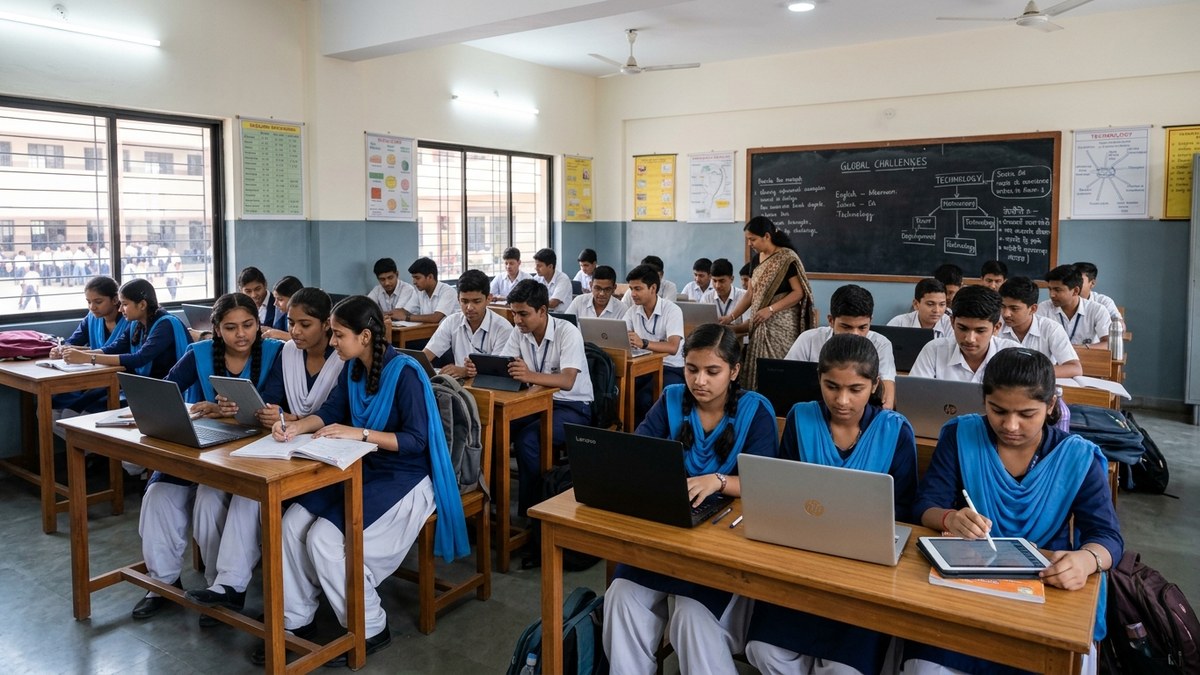
Here is what works: pair a reliable computer with education software. Let students practice board exam questions digitally. Track their progress week by week. Identify weak areas immediately. Adjust the study plan. Repeat.
This is not replacing your tutor or your textbooks. This is upgrading your entire board exam preparation system.
APNA PC: The Complete Digital Learning Bundle for Board Exams
Setting up a POD or a home learning space requires an investment. Most people hesitate because they think they need expensive equipment. They dont.
APNA PC is a complete bundle designed exactly for this. Rs.30,000 gets you everything: a Mini PC with i3 7th Gen processor, 8GB RAM, 128GB SSD, monitor, keyboard, mouse, webcam, headset, education software, 3-year warranty, and professional installation. No hidden costs. No surprises.
This is not a gaming PC. This is not overkill. This is exactly what you need for board exam preparation, online classes, digital practice, and video learning. The specs are proven. The price is honest. The warranty is real.
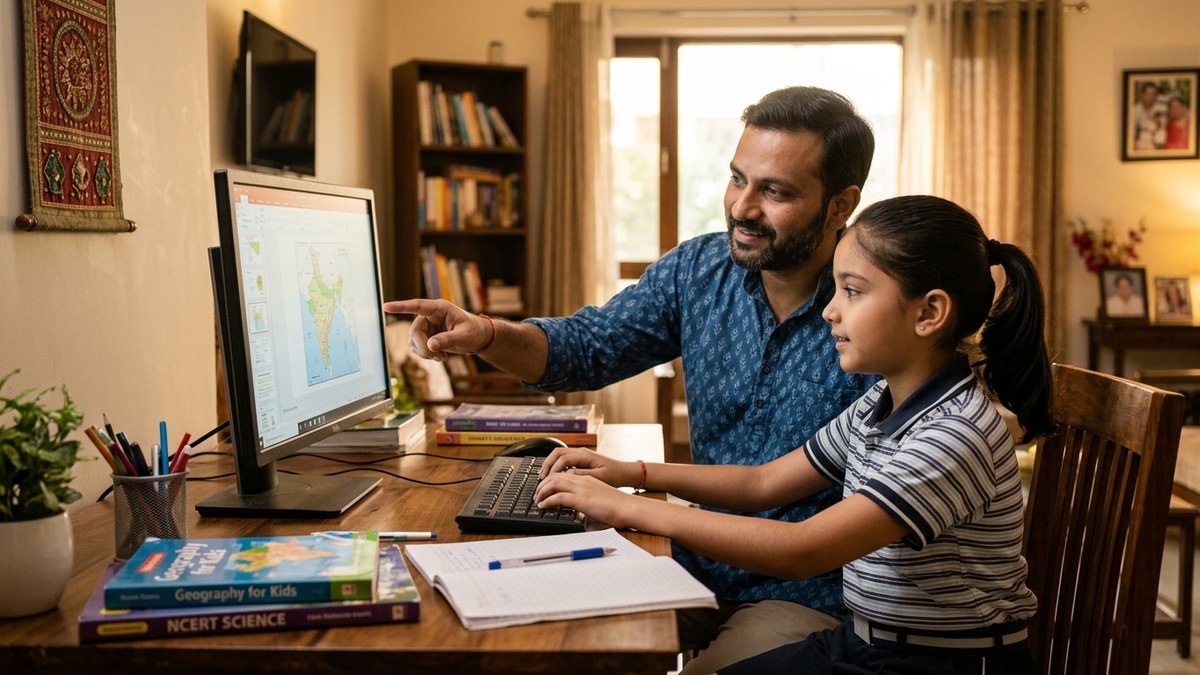
Teachers running a POD can set up a learning lab with multiple APNA PC units. Parents can set up a home study station. Either way, your students get access to digital tools that actually work.
Check out smart study hacks for board exams to see how digital tools fit into a complete preparation strategy. Then read our exam preparation tips for practical ways to integrate technology into daily study routines.
Your board exam students deserve better than just textbooks and stress. They deserve a modern learning environment. They deserve digital skills that will serve them for life. APNA PC makes that possible without breaking the bank.
Order APNA PC today and transform your board exam preparation. Your students will thank you when they are not just passing exams but actually ready for what comes next.
Explore DIKSHA digital learning platform as well for free government resources that complement your APNA PC setup.
Frequently Asked Questions About Digital skills beyond textbooks
Why do board exam students need digital skills?
College admissions, scholarship forms and many entrance tests now happen online. A student who can type, search well and handle files moves through these steps calmly instead of depending on others. These skills also make revision more organised.
Which digital skills help with board exam preparation?
Typing, searching for trustworthy study material, watching and pausing lesson videos, and using a simple spreadsheet or planner to track chapters are the most useful. Taking online practice tests is another good habit. None of these need advanced technical knowledge.
Will using a computer distract my child from board exam study?
It can, if the computer has no rules. Keep it in a shared family space, set fixed study slots and use it for specific tasks like practice tests and notes. Used this way, a computer supports focus rather than breaking it.
Is a phone enough for digital learning before board exams?
A phone is fine for quick lookups and short videos, but it is weak for typing, making notes, filling forms and taking long practice tests. A proper computer with a keyboard and larger screen handles these tasks far better. A shared home computer is often enough for the whole family.
Where can students find free study resources for board exams?
NCERT textbooks are free to read online, and the government DIKSHA platform offers lessons and practice material linked to school syllabi. CBSE also publishes sample papers on its official website. Using these official sources avoids unreliable content.
NCERT makes its school textbooks freely available online, and the Ministry of Education’s DIKSHA platform offers syllabus-linked digital learning content for students and teachers across India.