
The Homeschooling Boom Nobody is Talking About
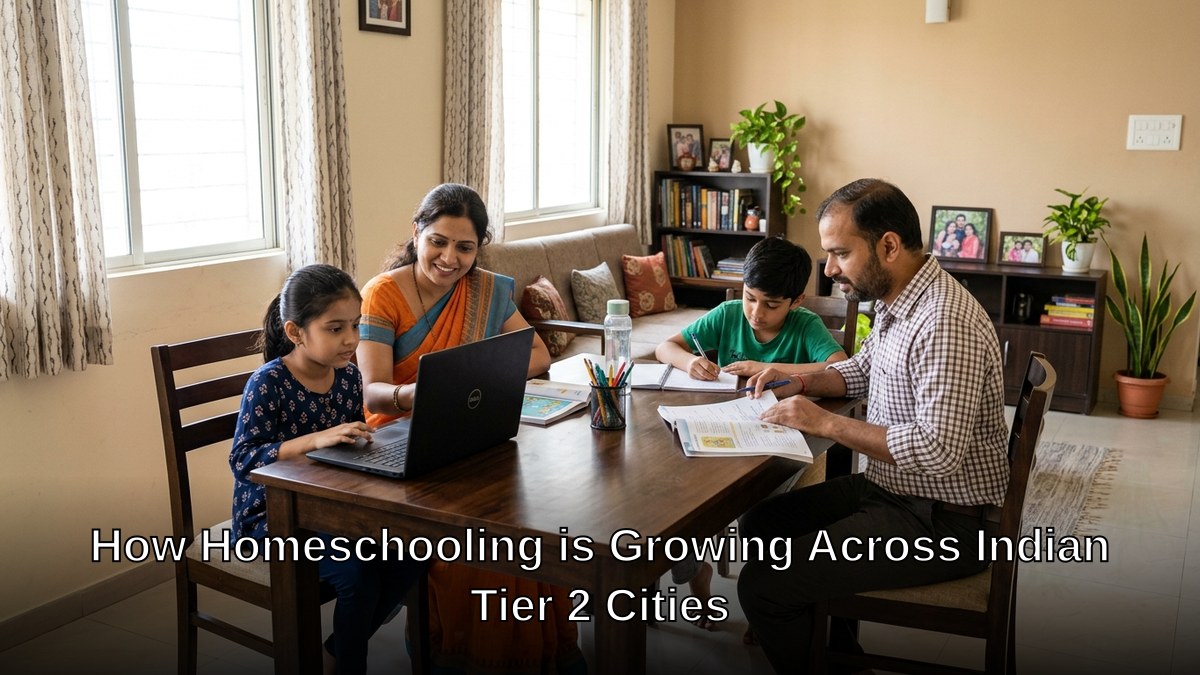
Homeschooling in India is no longer fringe. It’s happening in Indore, Nagpur, Lucknow, Coimbatore, and dozens of tier 2 cities where parents are rejecting the one-size-fits-all school model. Not because they’re anti-education. Because they want better education.
The numbers tell a story traditional education won’t admit. Parents in tier 2 cities are discovering what metro parents already knew: you don’t need a fancy school building to raise a sharp kid. You need the right approach, the right resources, and honestly, a computer that works.
Here is the truth: homeschooling in India has shifted from “alternative” to “practical.” And tier 2 cities are leading this shift.
Key Takeaways
- Homeschooling in tier 2 cities India is growing as parents in places like Indore and Coimbatore look for alternatives to one-size-fits-all schooling.
- Parents choosing homeschooling are not rejecting education, they are seeking a more personalized approach for their children.
- A dependable shared computer is often central to running a homeschooling routine effectively.
- Tier 2 city parents are proving that quality education does not require an expensive school building.
- The right structure and resources matter more than location when it comes to homeschooling success.
Why Tier 2 Cities Are the Homeschooling Hotspot
Let’s be honest: tier 2 cities face a real problem. Good schools exist, but they’re overpriced, far away, or packed with 60 kids per classroom. A parent in Nagpur or Indore isn’t choosing homeschooling because they’re wealthy or radical. They’re choosing it because it works.
Most people don’t realise tier 2 cities have an advantage metros don’t: community. Parents know each other. They can collaborate. They can pool resources. This is where the real homeschooling India movement is happening.
The shift started around 2020, accelerated through the pandemic, and never stopped. Why? Because parents saw their kids actually learn better at home. With attention. With pace matched to the child. Without the commute stress.
- Personalized learning at your own pace
- No wasted time on overcrowded classrooms
- Lower costs than private school fees
- Flexibility to pursue real interests alongside academics
- Community learning options through neighbourhood pods
The infrastructure is now in place. Educational software works. Internet reaches most tier 2 cities. Parents have learned what works. Homeschooling India isn’t an experiment anymore. It’s a movement.
The Real Barrier: Technology Access
Here’s what stops most families: they don’t have a reliable computer setup. A parent in Lucknow wants to homeschool. Wants to use quality educational software. Wants to create a learning space. But a decent computer costs Rs.50,000 to Rs.80,000. That’s a barrier.
This is where the math changes. A complete APNA PC bundle at Rs.30,000 removes that barrier entirely. You get everything: the Mini PC (i3 7th Gen, 8GB RAM, 128GB SSD), monitor, keyboard, mouse, webcam, headset, education software, 3-year warranty, and installation. No hidden costs.
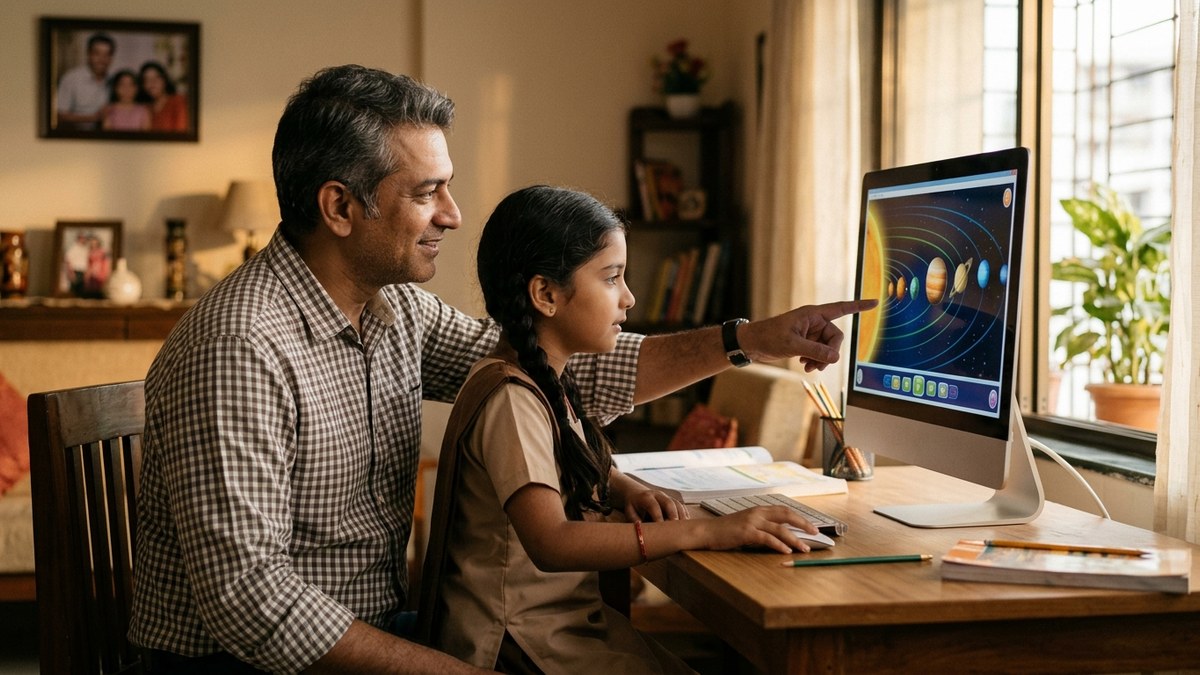
A family can now set up a homeschooling space for less than one semester of private school fees. That’s not a coincidence. That’s the point.
Building Community: The POD Model
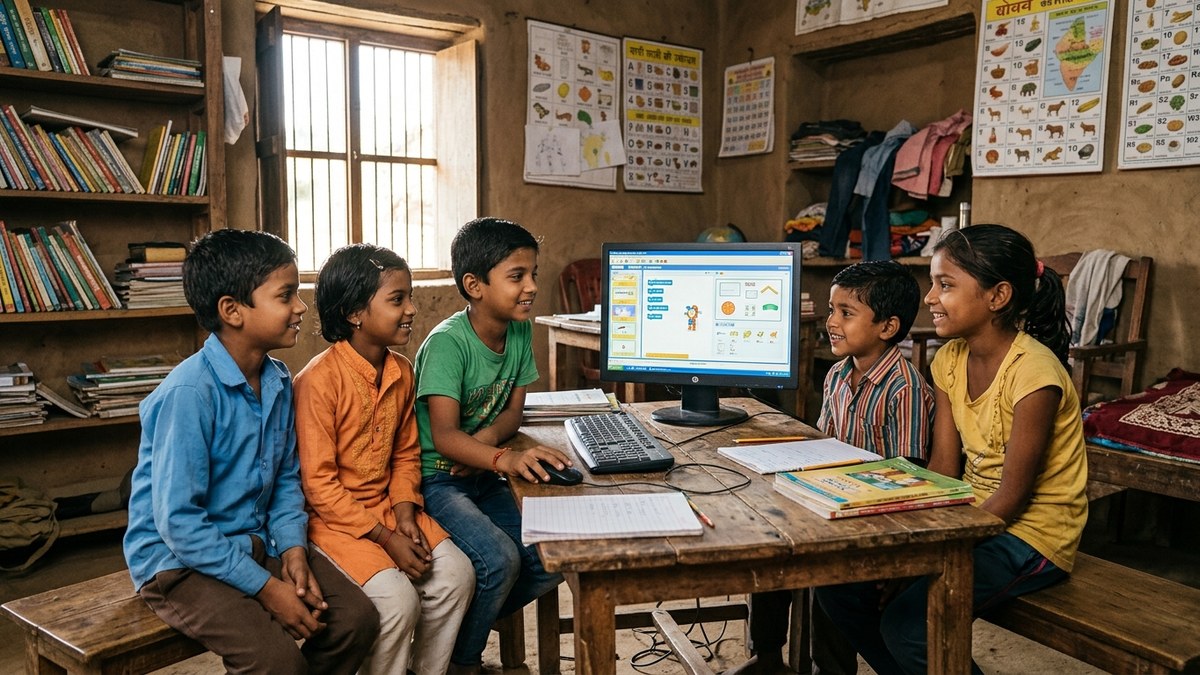
Homeschooling doesn’t mean isolation. In tier 2 cities, parents are creating Points of Digital Learning (PODs). These are neighbourhood learning centres run by trained educators. Kids gather 3-4 days a week. They work on their curriculum. They have peer interaction. Parents have breathing room.
A POD is homeschooling with community built in. It’s cheaper than school. It’s flexible. It works.
If you’re thinking about this model, you can start a learning pod in your neighbourhood with minimal investment. The APNA PC bundle becomes your backbone. One computer. Quality software. Multiple kids rotating through structured learning.
What the Data Actually Shows
According to India’s Ministry of Education, alternative education models are growing. Parents are filing RTI requests about homeschooling recognition. State boards are updating regulations. This isn’t random. This is response to demand.
Tier 2 cities are driving this. Why? Because parents there have less attachment to “prestige schools.” They care about outcomes. They see their kids thriving. They tell other parents. The word spreads.
The homeschooling India narrative is shifting from “fringe choice” to “legitimate option.” Tier 2 cities are proof.
Your Next Step
If you’re considering homeschooling in a tier 2 city, you need three things: a plan, community, and reliable technology. You have options for the first two. For the third, the barrier just dropped.
A homeschooling setup under Rs.30000 is now real. Not stripped down. Not compromised. Complete.
Start there. Build from there. Join the thousands of families in Indore, Nagpur, Lucknow, and beyond who already did.
Also check out how school education models are evolving globally, and explore the learning pod model as a community-driven alternative.
Frequently Asked Questions About Homeschooling in tier 2 cities India
Why is homeschooling growing in Indian tier 2 cities?
Parents in cities like Indore, Nagpur and Lucknow are looking for more personalized education than large, one-size-fits-all schools can offer. Many feel confident they can guide learning at home with the right resources and structure.
Is homeschooling legal in India?
There is no single national law banning homeschooling, and many families follow open schooling boards like NIOS for recognized certification. Requirements can vary, so parents should check current state and board guidelines before starting.
What does a family need to start homeschooling?
A reliable computer for research, video lessons and assignments, a study routine, and access to a curriculum or open schooling board are the basics. Support groups and co-op learning pods can also help fill gaps.
Does homeschooling work without a big budget?
Yes, many tier 2 city families run effective homeschooling setups with a single shared computer and free or low-cost learning resources. The approach and consistency matter more than the amount spent.
How do homeschooled children get board exam certification in India?
Most homeschooling families in India register with an open schooling board such as NIOS, which allows students to sit for recognized board exams. This gives homeschooled students a formal certification path.
NIOS, under India’s Ministry of Education, is the recognized open schooling board that many homeschooling families use for formal certification.