
Your technical skills got you the interview. Your soft skills will get you the job, the promotion, and the career nobody else can touch.
Here’s the truth: Indian colleges teach you to code, calculate, and construct. They rarely teach you to convince, collaborate, or communicate under pressure. That gap between what you learn and what employers actually want is where most freshers stumble. Soft skills students need aren’t optional extras anymore. They’re the difference between someone who gets hired and someone who gets promoted.
Most people don’t realise that when a recruiter reads your resume, they’re already assuming your technical knowledge is fine. What they’re really asking is: “Can this person work with my team? Can they handle feedback? Will they communicate clearly when things go wrong?” That’s soft skills territory.
Why the Soft Skills Students Prioritise Are Actually Failing
Let’s be honest: you probably think soft skills are about smiling more and saying “please” and “thank you.” That’s not even close. Real soft skills students need include critical thinking under pressure, the ability to influence without authority, and emotional intelligence sharp enough to read a room in seconds.
The problem? Most college curricula treat soft skills like decorative items. A one-day workshop. A presentation assignment. Then back to the real work. But communication skills aren’t something you develop in one semester. They’re built through repeated practice, real feedback, and honest reflection on what went wrong.
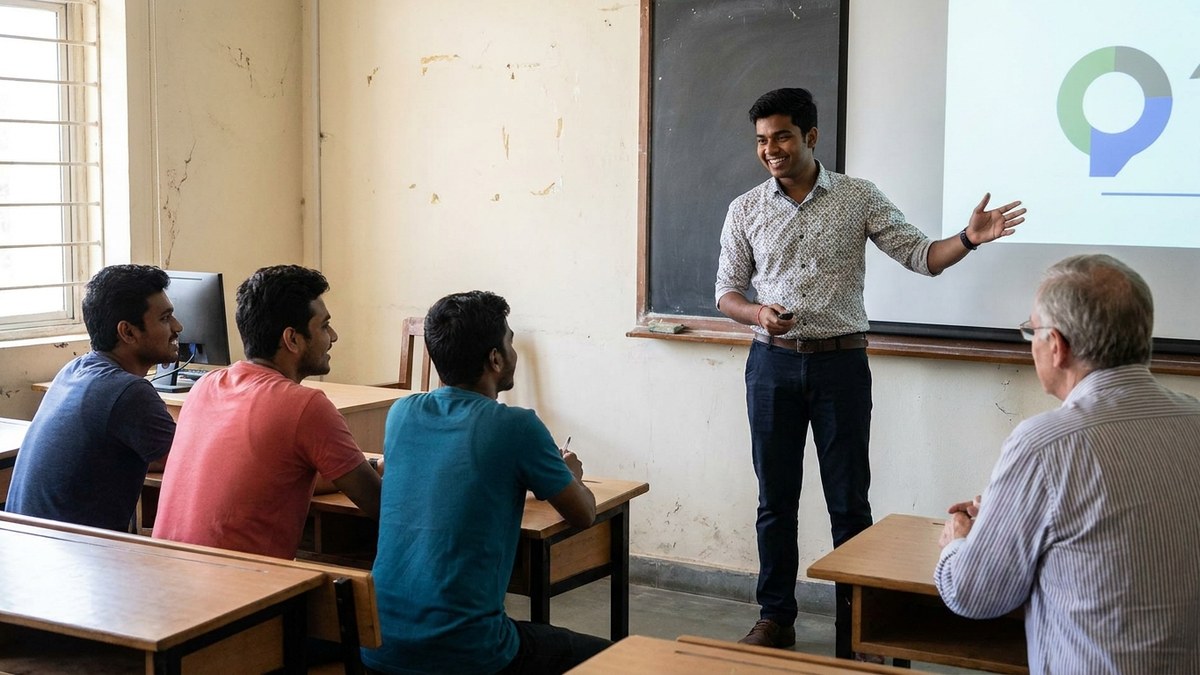
Consider this scenario: You’re in a team project. Your idea gets rejected. A student without soft skills either shuts down or argues defensively. A student with real teamwork skills listens, asks questions, and finds value in the other perspective. That difference shows up in every single job.
The Five Non-Negotiable Soft Skills Students Must Build Now
1. Communication skills that actually work
Not just speaking. Not just writing. Real communication means adjusting your message for your audience. It means listening more than talking. It means saying “I don’t know, but I’ll find out” instead of pretending. Indian workplaces are increasingly global and remote. Your ability to explain complex ideas clearly in writing and verbally is worth more than you think.
2. Teamwork skills that create results
You’ll never work alone in your career. Period. Teamwork skills you build now determine how fast you rise later. This means showing up prepared, following through on commitments, and making your teammates better. It means asking for help without shame and offering help without expecting credit.

3. Adaptability and learning agility
The job you’re hired for will change. Technologies will shift. Priorities will flip. Students who can learn fast, adjust quickly, and stay calm during change are the ones companies fight to keep. This isn’t about being flexible. It’s about being genuinely curious.
4. Problem-solving and critical thinking
Employers don’t want people who follow instructions perfectly. They want people who ask better questions. They want people who see problems before they explode. Problem-solving gets overlooked constantly, but it’s the foundation of everything else.
5. Emotional intelligence and professional presence
Can you read the room? Can you stay composed when your boss is upset? Can you disagree respectfully? Can you celebrate someone else’s win genuinely? That’s emotional intelligence. It’s not fake. It’s not manipulation. It’s maturity.
Start building these now. Join clubs. Lead projects. Volunteer. Teach others. Every single one of these activities builds the capability employers pay the most for.
Here’s something most colleges won’t tell you: the skills you build should be documented and demonstrated. That’s where a proper digital presence matters. Check out our digital resume building tips to learn how to showcase these skills to employers who actually care.
If you’re serious about building these skills, you need the right environment and tools. Many students use community learning centres called PODs (Points of Digital Learning) where trained educators guide skill development in real-time. A proper setup makes practice possible. That’s what APNA PC is built for: Rs.30,000 gets you a complete bundle with education software, a 3-year warranty, installation, and a Mini PC (i3 7th Gen, 8GB RAM, 128GB SSD) plus monitor, keyboard, mouse, webcam, and headset. Everything you need to learn, practice, and demonstrate your skills properly.
The Indian government recognises this gap too. The Skills Development Act was created precisely because employers were struggling to find skilled workers. The Digital India initiative pushes digital literacy as a foundation skill. And the Ministry of Education keeps updating guidelines to include soft skills in curriculum.
But waiting for your college to teach you properly is a losing strategy. Soft skills students who wait for placements to begin practising are already behind. You need to own this yourself.
Start today. Join a project that scares you a little. Practice explaining technical concepts to non-technical people. Lead a meeting. Present your ideas. Record yourself and watch it back. Yes, it’s uncomfortable. Yes, that’s the point. The soft skills you develop through discomfort are the ones that stick.
Also consider freelancing for college students. Real client work teaches these skills faster than any classroom ever could. You learn communication, negotiation, professionalism, and problem-solving all at once. And you get paid for it.
The students who will dominate the job market aren’t the ones with the highest GPA. They’re the ones who can think clearly, communicate precisely, work with anyone, and stay calm under pressure. They’re the ones who built real capability while most people were still thinking it didn’t matter.
That can be you. But only if you start now.