The Brutal Truth About Employability Skills
Your students can ace every exam and still not get hired. Here’s the truth: Indian employers aren’t looking for textbook knowledge anymore. They’re hunting for people who can think, communicate, and adapt. Employability skills are the bridge between classroom grades and real job offers. And most teachers don’t realise they’re the ones who need to build that bridge.
The gap between what schools teach and what companies need has become a chasm. Students graduate with strong academics but weak employability skills. They freeze during interviews. They can’t articulate their ideas. They panic when asked to solve problems they haven’t memorised. This isn’t their fault. It’s a system failure. And it’s your opportunity to fix it.
Which Employability Skills Actually Matter
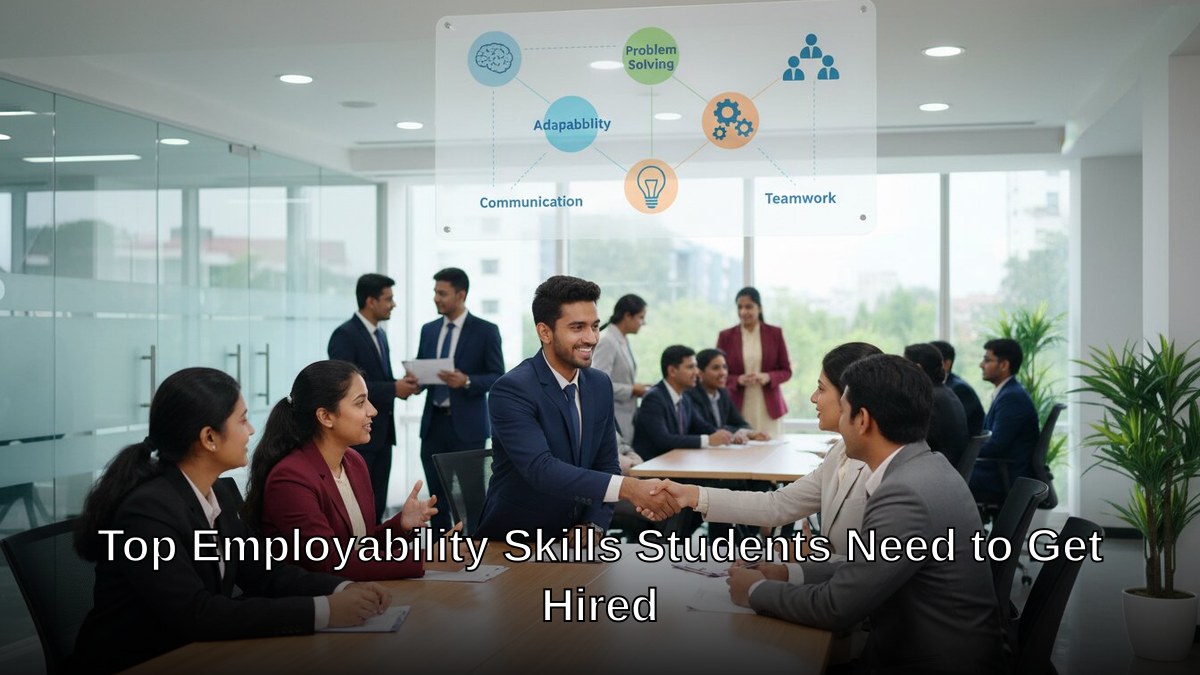
Let’s be honest: not all skills get you hired. Some matter far more than others. Here are the ones that actually move the needle.
- Communication Skills. This isn’t just speaking English. It’s clarity, confidence, and the ability to adapt your message to your audience. A student who can explain complex ideas simply will always beat a student with perfect grammar but zero presence. Communication skills for employability in schools should start in class 8, not class 12.
- Problem-Solving and Critical Thinking. Employers want people who ask “why” and “what if” instead of just following instructions. They want adaptability. The world changes faster than any syllabus. Students who can think on their feet get the jobs.
- Digital Literacy. Not just using social media. Real digital skills. Spreadsheets. Basic coding. Data interpretation. Online collaboration tools. The Ministry of Education recognises this, which is why digital skills are now part of the national curriculum focus. Without these, your students are competing with one hand tied behind their back.
- Teamwork and Collaboration. Solo work is dead. Every job involves working with others. Students need to know how to listen, compromise, and contribute to a team goal. Not just in group projects where one person does everything.
- Time Management and Responsibility. Deadlines matter. Reliability matters. Showing up prepared matters. These aren’t soft skills. They’re survival skills in any job.
- Interview Confidence. Your students will face recruiters. They need to know how to present themselves, answer tough questions, and handle rejection. Communication skills for job interviews can be trained like any other skill.
The good news? These skills can be taught. They’re not innate talents. They’re habits and techniques that improve with practice.
Why Traditional Schools Miss This
Most people don’t realise that the school system was designed for a different era. It optimises for exam performance, not job readiness. Teachers are overloaded. Syllabi are rigid. There’s no time to run mock interviews or teach presentation skills in depth. The system wasn’t built for this.
This is exactly where tuition teachers and edupreneurs step in. You’re not bound by the same constraints. You can focus on what actually matters. You can run real-world simulations. You can give individual feedback. You can build confidence through practice, not just theory.
The Skills Development Act, 1998 recognised that India needs focused skill training beyond traditional education. The government has invested heavily through platforms like DIKSHA to bridge this gap. But the real work happens at the local level, with educators like you.
How to Train Students for Job Readiness
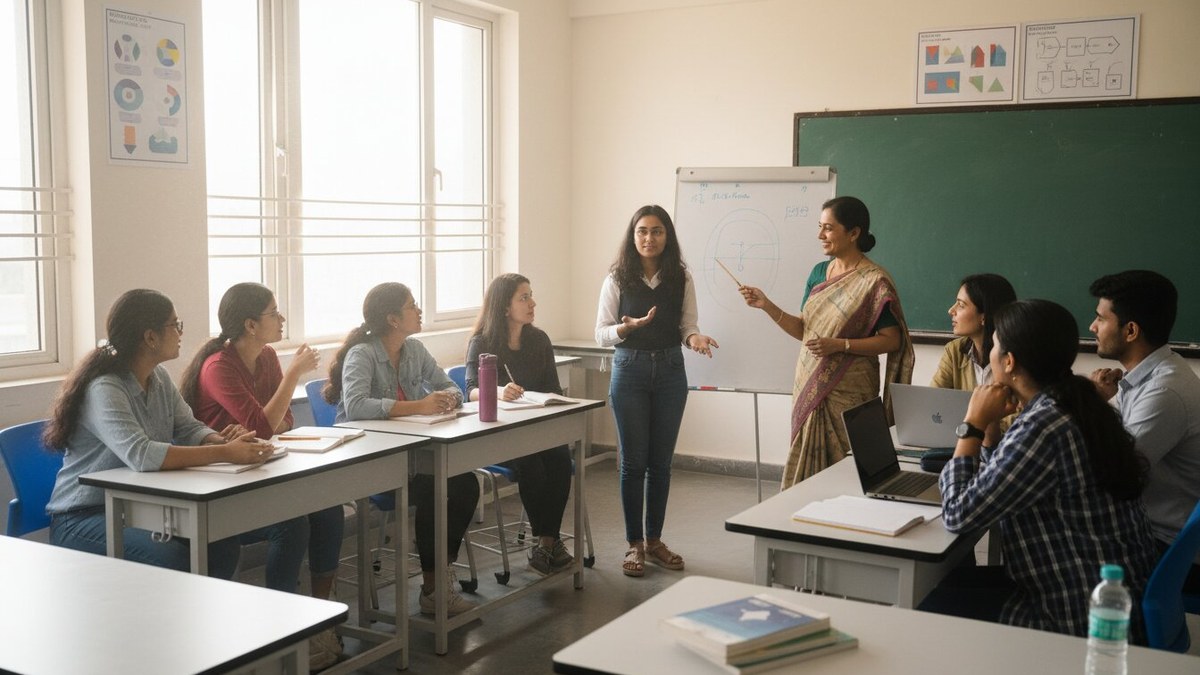
Start with real scenarios. Don’t just tell students what communication means. Have them pitch a product. Have them defend their ideas. Have them present in front of peers. Discomfort is where growth happens.
Run mock interviews. Seriously. Video record them. Play it back. Watch their body language. Hear how they answer. This single exercise removes 70% of interview anxiety. Students see exactly what they need to improve.
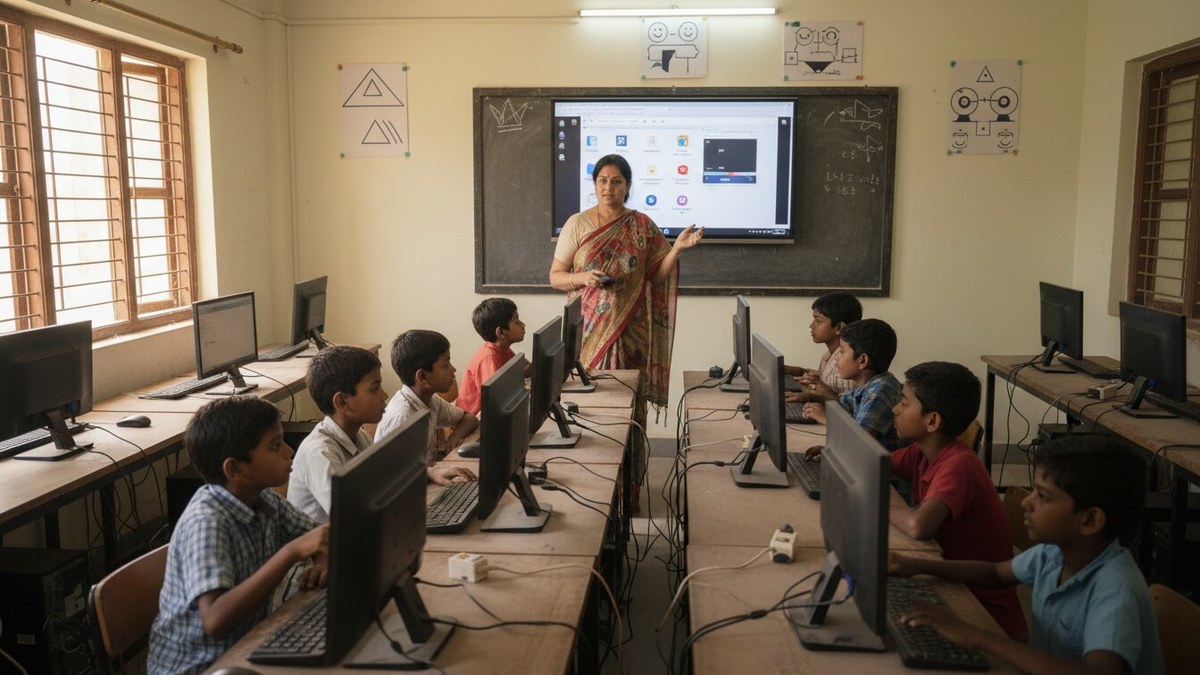
Teach them to use digital tools. Not just theory. Hands-on practice with spreadsheets, presentation software, video conferencing, and basic coding. Show them how to build a portfolio. Teach them to document their work. These are job readiness skills that matter on day one of employment.
Create a culture where asking questions is rewarded, not punished. Where trying and failing is better than staying silent. Where thinking differently is celebrated. This builds the confidence and critical thinking that employers desperately want.
Connect them with real professionals. Guest talks. Industry mentors. LinkedIn connections. Hearing directly from someone working in their field is worth more than a hundred lectures.
Your Next Move
The demand for job readiness training is massive. Schools can’t keep up. Parents are desperate. Students are anxious. And there’s a real gap waiting to be filled by someone who understands both education and employment.
If you’re a tuition teacher or aspiring edupreneur, this is your moment. Start a Point of Digital Learning (POD) focused on employability skills. Teach communication, critical thinking, digital literacy, and interview skills. Make it hands-on. Make it real. Make it matter.
You’ll need the right infrastructure. APNA PC is exactly what you need. Rs.30,000 complete bundle with education software, 3-year warranty, installation, and a full setup (Mini PC i3 7th Gen, 8GB RAM, 128GB SSD, monitor, keyboard, mouse, webcam, headset). Everything you need to run professional, tech-enabled training from day one. No compromise on quality. No hidden costs.
Head to https://www.teachtoearn.in/start-a-teach-to-earn-learning-pod/ to learn how to launch your POD. Start small. Start local. But start now. Your students are waiting. Employers are waiting. The only question is whether you’ll be the one to connect them.