
The Hard Truth About Digital Literacy in Education
Your students are not ready for the future because you haven’t equipped them for the present.
Let’s be honest: digital literacy in education isn’t a nice-to-have anymore. It’s survival. The Ministry of Education has pushed digital classrooms. Employers demand it. Competitive exams test it. Yet most Indian students still graduate without basic computer skills. Most people don’t realise that digital literacy isn’t just about clicking a mouse or typing an email. It’s about understanding how technology works, solving problems with it, and thinking critically in a digital world.
Here’s the truth: if you’re running a tuition centre or teaching from home without addressing digital skills, you’re already losing.
Why Your Students Need Digital Literacy Right Now
The Digital India initiative has connected villages. Online learning platforms have exploded. Remote work is normal. Your students will compete globally, not just locally. They need to code, create, collaborate online, and adapt to tools that don’t exist yet.
But there’s a gap. A massive one.
- Rural students have limited access to computers
- Urban tuition centres often lack proper lab setups
- Teachers aren’t trained to teach digital skills
- Affordable bundles don’t exist for small educators
Computer education for students has become fragmented. Some kids get expensive coaching at big institutes. Others get nothing. This inequality compounds every year. By Class 10, the divide is permanent.
Your role as an educator is to close this gap. Not expand it.
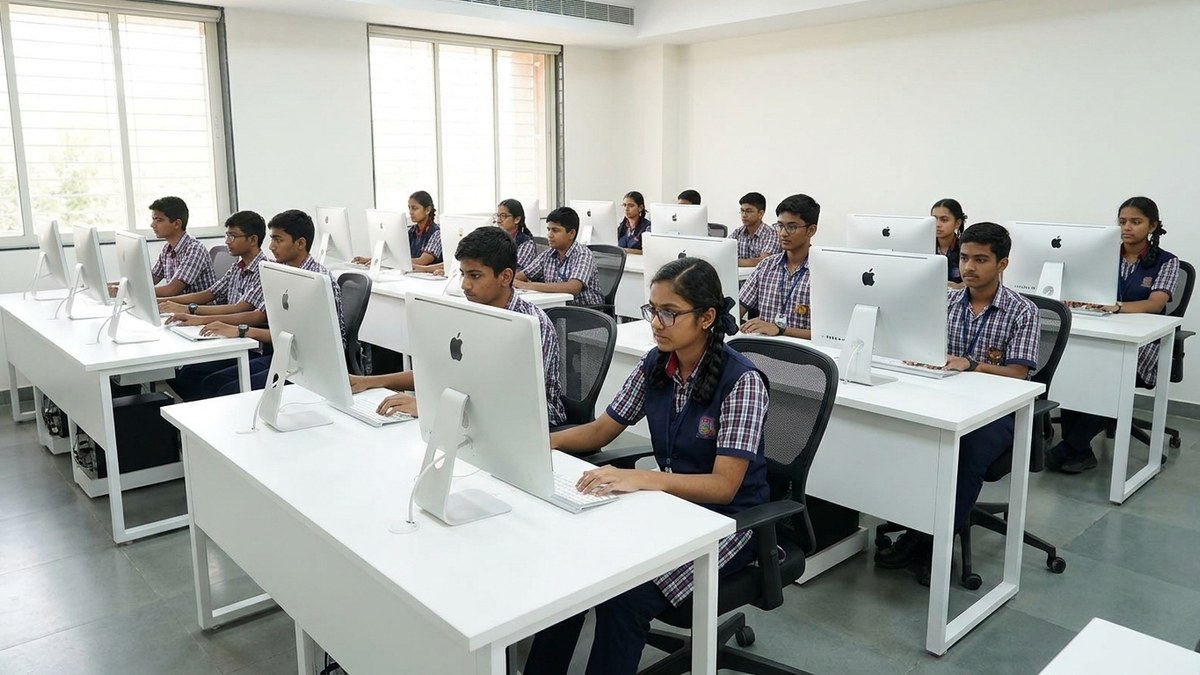
Most people don’t realise that teaching digital classroom skills doesn’t require a fancy IT degree. It requires the right tools, the right training, and the right mindset. You already have the mindset. You’re reading this.
What Digital Literacy in Education Actually Teaches
It’s not just spreadsheets and presentations (though those matter). Real digital classroom skills include:
- Understanding operating systems and file management
- Using productivity software confidently
- Researching online safely and critically
- Creating and editing digital content
- Understanding cybersecurity basics
- Introduction to coding and computational thinking
When you teach these, you’re not just filling a curriculum gap. You’re building confidence. You’re showing students they can learn technology. You’re proving that their background doesn’t limit their future.
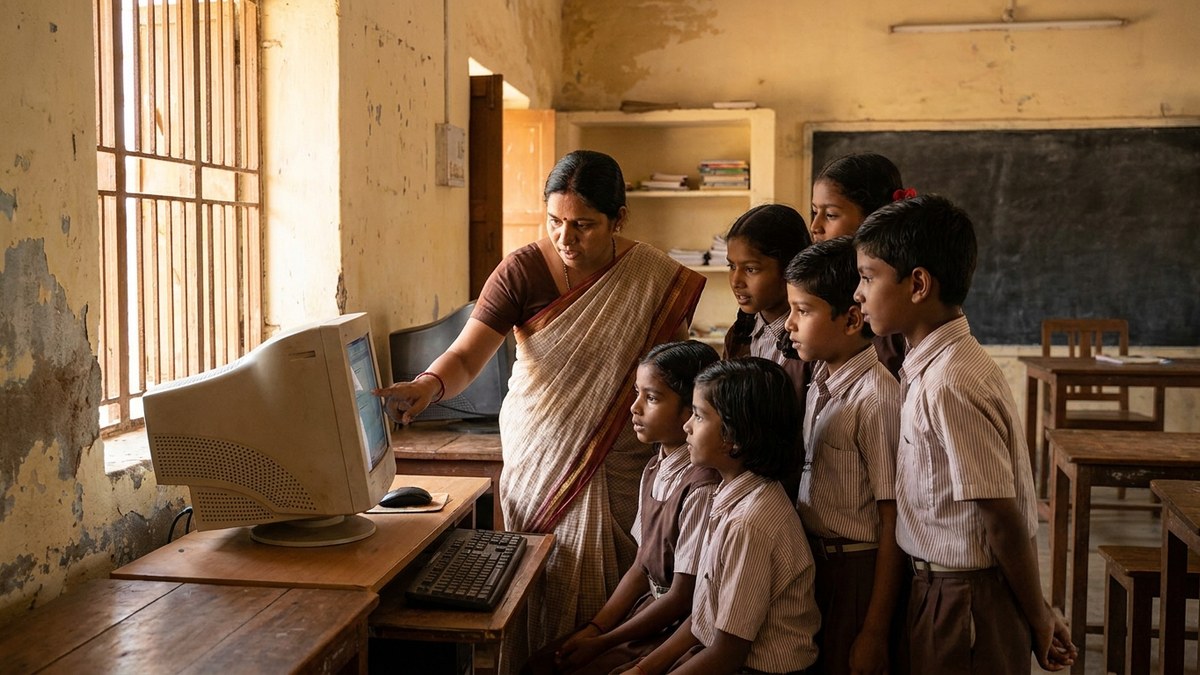
Check out our guide on digital literacy activities for classrooms. Real activities. Tested in Indian learning centres. No fluff.
The Barrier You’re Facing: It’s Real, But It’s Solvable
You want to teach computer education for students. But:
- Lab setup costs Rs.2-3 lakhs
- Maintenance is expensive
- Software licenses add up
- Installation takes time and expertise
- Warranty issues are a nightmare
Most tuition teachers and edupreneurs give up before they start. They tell themselves it’s too expensive, too complicated, too risky. So they don’t offer digital literacy in education. Their students suffer.
Here’s what changes this: APNA PC.
APNA PC is a complete bundle. Not a half-solution. Not a compromise. A full setup designed for Indian educators running Points of Digital Learning (PODs).
Rs.30,000 gets you:
- Mini PC (i3 7th Gen, 8GB RAM, 128GB SSD)
- Monitor, keyboard, mouse
- Webcam and headset
- Education software pre-loaded
- 3-year warranty
- Professional installation
One machine. Multiple students. Rotating batches. Sustainable income. Real impact.
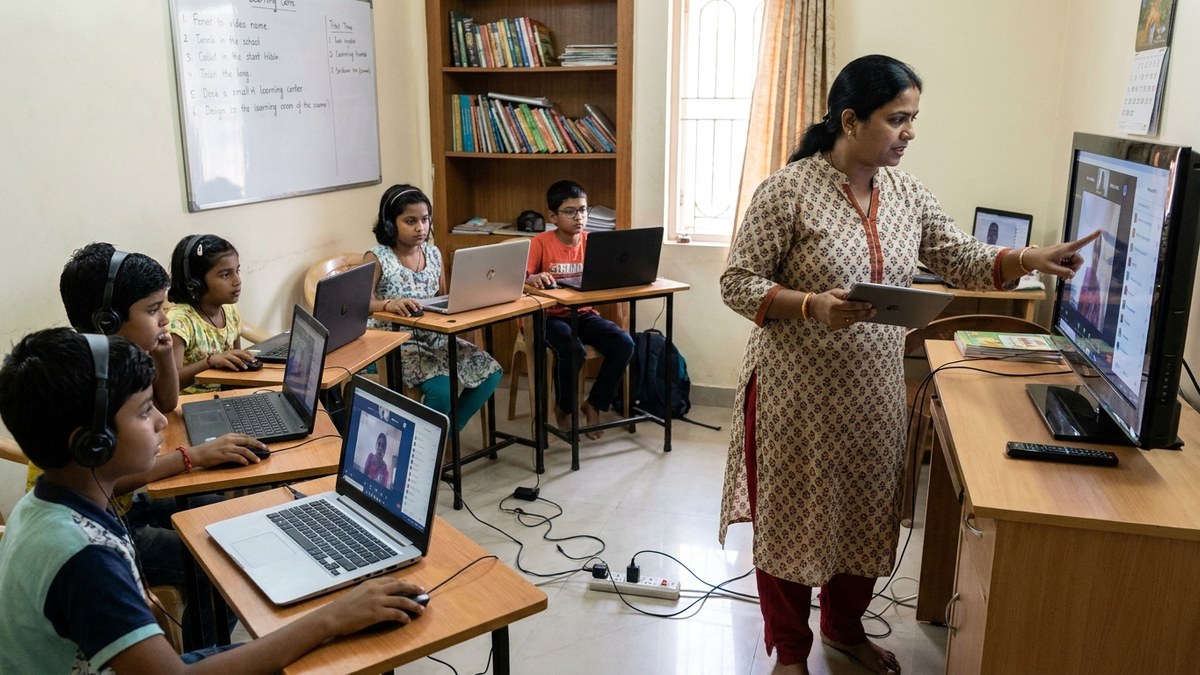
This isn’t a luxury for big schools. This is for you. For the teacher running a POD from home. For the edupreneurs building learning centres in tier-2 cities. For educators who believe digital literacy in education matters.
Building Your Point of Digital Learning (POD)
A POD isn’t complicated. It’s a trained educator (that’s you) + a learning space (your home, a community centre, a rented room) + proper equipment (APNA PC) + structured curriculum.
You teach. Students learn. Parents see results. Word spreads. You scale.
The Digital India initiative and the Ministry of Education have created demand. Your job is to meet it locally. When you do, you’re not just earning. You’re transforming your community’s relationship with technology.
Want to go deeper? Learn how to learn to code in the age of AI. Your students will need this. You will too.
The Investment That Pays Back
Rs.30,000 sounds like money. But calculate the return:
- Batch of 15 students at Rs.2,000/month = Rs.30,000/month revenue
- Equipment cost recovered in one month
- 3-year warranty covers maintenance
- Software included, no licensing headaches
- Scalable to multiple machines as you grow
This isn’t theory. This is how PODs work across India right now.
Most people don’t realise that the barrier to teaching these digital skills isn’t knowledge or passion. It’s access to affordable, reliable equipment. Remove that barrier, and everything changes.
Your Next Step
Stop waiting for the perfect moment. Stop thinking it’s too expensive or too complex. Your students need digital classroom skills. Your community needs educators like you offering them. The infrastructure exists now.
Explore APNA PC today. See how it works. Talk to educators already running PODs. Then make your decision.
The future of education in India isn’t built in fancy corporate offices. It’s built by teachers like you, in communities like yours, using tools like APNA PC.
Digital literacy in education starts with one educator making a choice. Will it be you?