
How Can Indian Teachers Use
What Even Is Blended Learning?
Your students sit in front of you. A video plays on the screen behind you. They answer questions on their phones. You walk around, correcting work on paper. That’s blended learning. It’s not complicated. It’s not new. But most Indian teachers don’t realise they’re already doing versions of it.
Blended learning Indian teachers can actually use means mixing online and offline teaching in ways that work for your students. Not some fancy Silicon Valley concept. Real teaching. Real learning. Real results.
Here’s the truth: the old model of “teacher talks, students listen, students write” is dying. Blended learning Indian teachers are using now combines digital tools with face-to-face instruction. Your students get video lessons at home. They come to your tuition centre for doubt-clearing sessions. You use apps to track their progress. They do pen-and-paper tests with you physically present.
That’s it. That’s blended learning.
Why Blended Learning Methods Matter for Indian Teachers
Let’s be honest: you’re already stretched thin. Managing 20-30 students, different levels, different speeds. Blended learning methods solve this problem because they let you personalise without burning out.
When you use online and offline teaching India together, something shifts:
- Your slower students can rewatch videos. No shame. No falling behind in real-time.
- Your fast learners get advanced content while you’re helping others. They don’t get bored.
- You spend classroom time on what matters: interaction, clarification, building confidence.
- Students take ownership. They’re not passive. They’re active participants in their own learning.
Most people don’t realise that blended learning actually reduces your workload once you set it up properly. You’re not creating content from scratch. You’re curating. You’re guiding. You’re coaching. That’s what teachers should do anyway.
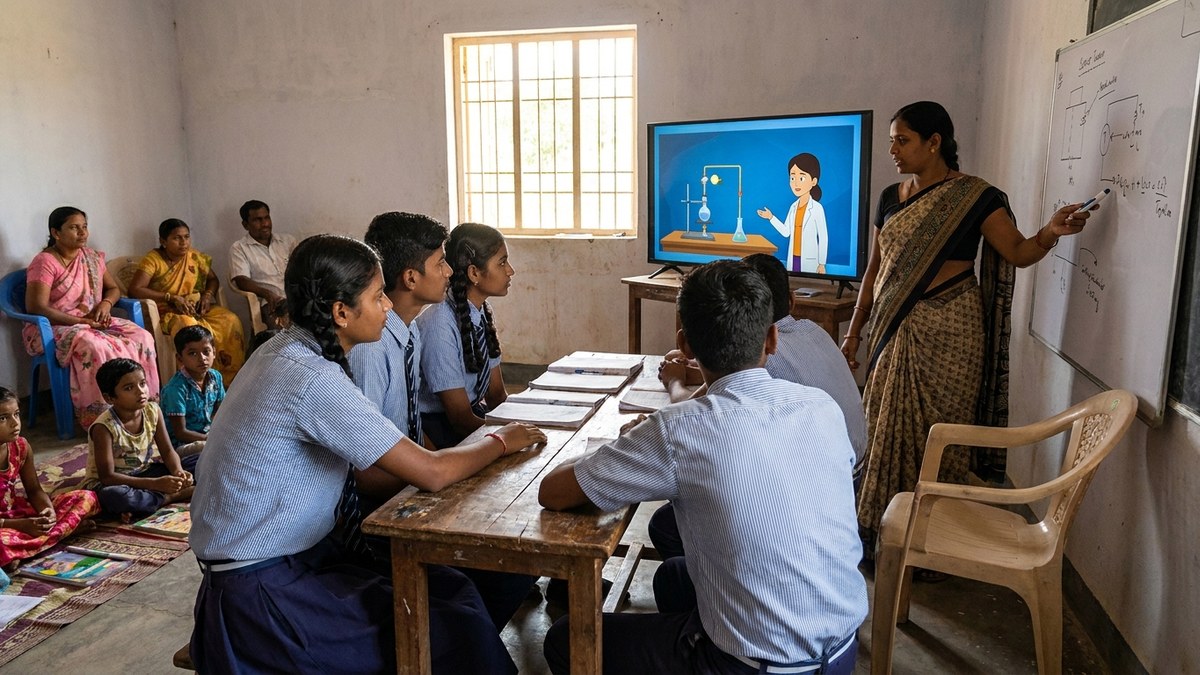
The government knows this too. Platforms like DIKSHA exist precisely to help teachers blend online resources with classroom teaching. Free content. Quality material. Ready to use.
Blended Learning Indian Teachers Can Start This Week
You don’t need a fancy setup. You need three things: a device, internet, and a plan.
Step one: Pick your platform. YouTube for videos. WhatsApp for assignments. Google Forms for quizzes. Start simple. Don’t overwhelm yourself with 10 apps.
Step two: Create a routine. Monday: students watch a 10-minute video at home. Tuesday-Thursday: you teach, they practice, you correct. Friday: assessment and doubt-clearing. This is blended learning Indian teachers can build their week around.
Step three: Get your students on board. Explain why you’re doing this. Show them how it helps them learn faster. They’ll adapt quickly. Younger students especially love the digital component.
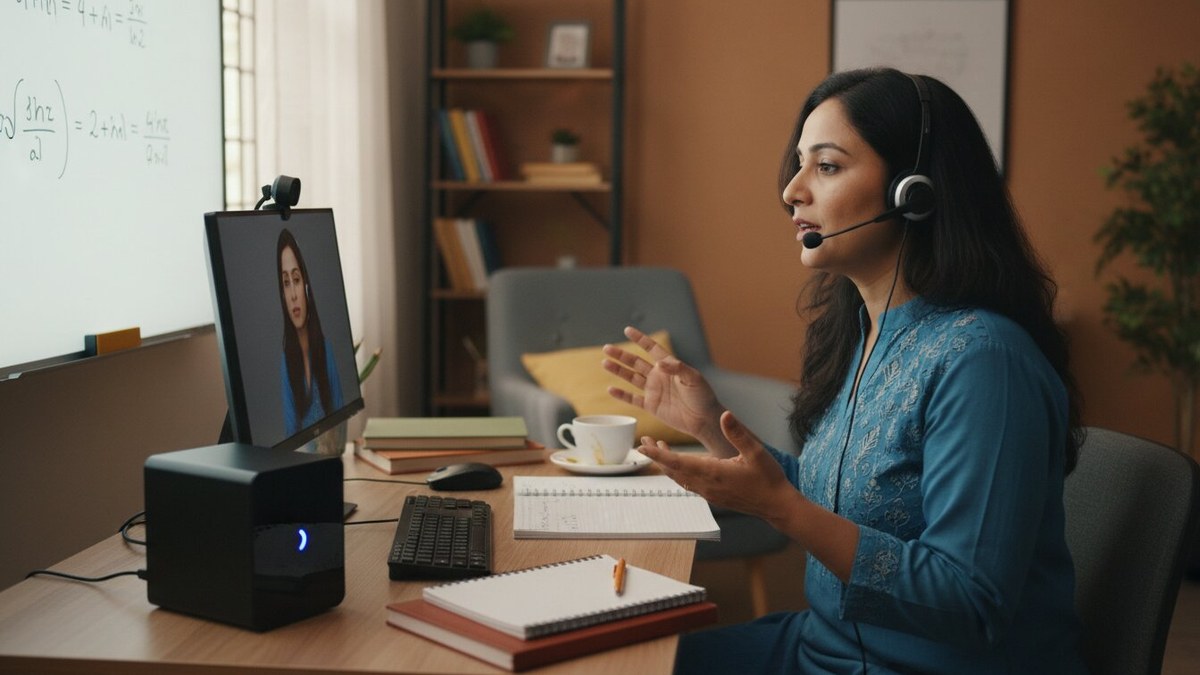
The real shift? Having proper equipment. A Mini PC with a webcam, headset, and good screen makes everything smoother. You can record lessons. You can conduct live sessions. You can track student progress digitally. Your tuition centre starts looking professional. Your parents notice. Your fees increase.
Building Your Point of Digital Learning
Here’s what separates average tuition centres from thriving ones: infrastructure. A POD (Point of Digital Learning) is your home or community learning centre run by you, a trained educator, with proper digital tools.
You don’t need a fancy office. You need:
- A reliable Mini PC or laptop
- A good internet connection
- A projector or large monitor
- Webcam and headset for online sessions
- Basic furniture and good lighting
This setup lets you run blended learning methods that impress parents. Students see professional online classes. They see digital assessments. They see real progress tracking. They’re not just sitting in someone’s living room anymore. They’re at a learning centre.
Want to know the secret? The APNA PC bundle solves this exact problem. Rs.30,000 gets you everything: Mini PC (i3 7th Gen, 8GB RAM, 128GB SSD), monitor, keyboard, mouse, webcam, headset, installation, and 3-year warranty. It’s not fancy. It’s practical. It works. It lasts.
This is what you need to run a proper POD. This is what lets you implement blended learning Indian teachers are actually using successfully.
Real Talk: What Stops Teachers from Trying This
Fear. Cost. Complexity. These are the real barriers.
Here’s what I’ll tell you: the cost of NOT doing this is higher. Your competitors are already blending online and offline teaching India. Your parents are already expecting it. Your students are already used to digital learning from school.
If you’re still doing pure offline teaching in 2026, you’re losing students to teachers who’ve adapted. Period.
The complexity? It’s overstated. Start with one blended learning method. One platform. One routine. Master it. Then expand. You don’t need to be tech-savvy. You need to be willing to learn.
The cost? It’s an investment in your business. A Mini PC costs less than two months of extra income once you raise your fees and attract more students.
Your Next Step
You’ve got two paths. Keep doing what you’ve always done. Or adapt. Evolve. Build something better.
If you’re serious about blended learning, start here: start your own learning pod and get the right tools to make it work. Get the APNA PC bundle. Set up your POD properly. Implement blended learning methods that actually stick.
Still on the fence? Check your Skill India result online and see how digital literacy is being valued. Or better yet, join the Digital Literacy Mission and get certified as a trainer.
The future of Indian tuition teaching is blended. The question is: will you lead it or follow it?