
The Student-to-Student Revolution Nobody’s Talking About
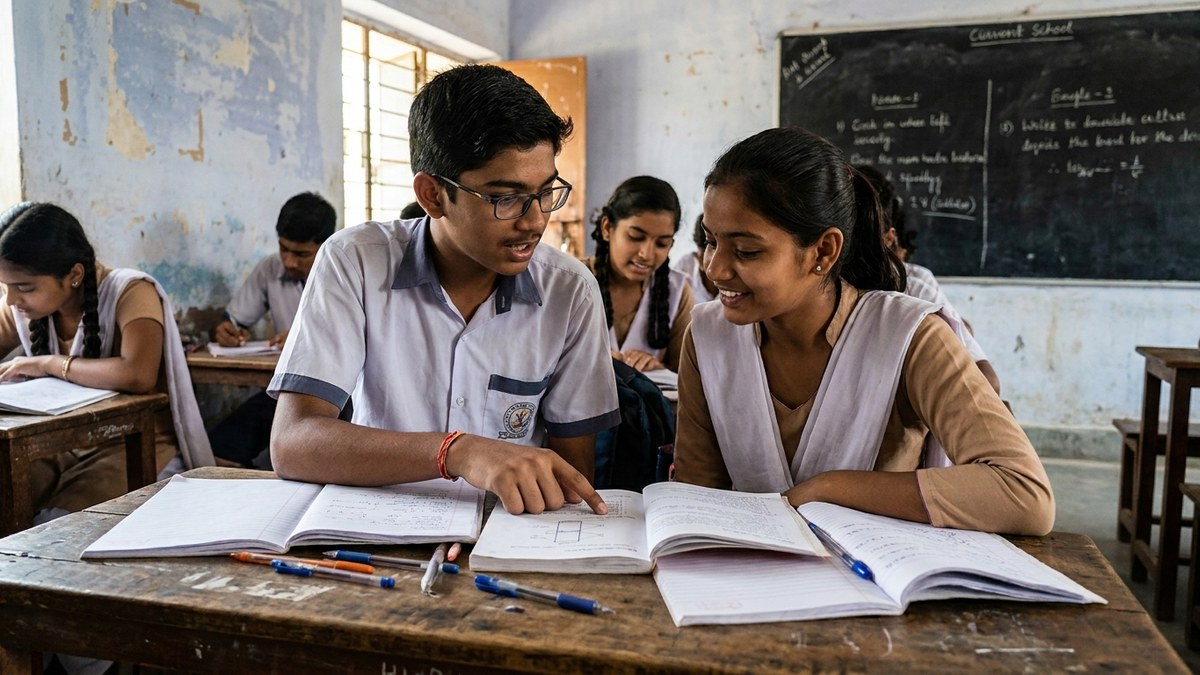
Here’s the truth: when a 12-year-old explains fractions to their classmate, that classmate learns faster than from any textbook. Peer tutoring isn’t a nice-to-have. It’s the most underutilized weapon in Indian education right now.
Most people don’t realise that peer tutoring works because students speak the same language as each other. Not literally. Emotionally. A tutor who struggled with algebra last month remembers exactly where the confusion happens. They know the shortcuts. They know which mistakes are common. They’ve been there.
In traditional classrooms, one teacher faces 40 students. The fast learners get bored. The slow learners feel left behind. But when students teaching students becomes the model, something shifts. Everyone moves at their own pace. Everyone gets unstuck.
Why Peer Tutoring Actually Works (The Science Isn’t Complicated)
When you teach something, you cement it in your own brain. The tutor benefits as much as the student being tutored. This isn’t accidental. It’s how learning actually happens.
Let’s be honest: collaborative learning removes the fear factor. A student won’t ask their teacher the same question three times. They’ll ask their peer. No shame. No pressure. Just clarity.
The benefits stack up:
- Retention jumps. Students remember 90% of what they teach. Compare that to 5% from lectures.
- Confidence builds. Both the tutor and the tutee feel capable. The tutor feels trusted. The tutee feels supported.
- Communication skills sharpen. Explaining a concept forces you to think clearly. Asking questions teaches you how to ask better ones.
- Gaps get filled. Peer tutoring surfaces misconceptions fast. A peer catches what a teacher might miss.
- Motivation increases. Learning feels less like an obligation and more like a conversation between friends.
This is why Bloom’s Taxonomy levels of learning show that teaching others sits at the top. Not memorizing. Not understanding. Teaching.
How Peer Tutoring Transforms Your Learning Pod
If you’re running a Point of Digital Learning (POD) or thinking about starting one, peer tutoring is your secret weapon. Here’s why it matters for your business and your students.
In a traditional tuition model, one teacher handles multiple students. Attention gets divided. But when you structure peer tutoring into your POD, you create a system where learning never stops. Advanced students become mentors. Struggling students get real-time help. Your role shifts from performer to facilitator.
The difference between home tuition vs coaching often comes down to this: coaching is broadcast. Home tuition is dialogue. Peer tutoring is both. It’s scaled dialogue.
You need the right setup though. This is where APNA PC comes in. A complete bundle at Rs.30,000 gives you a Mini PC (i3 7th Gen, 8GB RAM, 128GB SSD) plus monitor, keyboard, mouse, webcam, and headset. Three-year warranty included. Installation included. This is your foundation for running a digital-enabled POD where students can collaborate online and offline.
With APNA PC, your students can record explanations. Share screen during peer sessions. Access collaborative learning platforms. The hardware doesn’t get in the way. It enables the learning.
Making Peer Tutoring Work in Your Community
You don’t need a fancy system. You need structure.
Start by pairing students strategically. Don’t just match by grade. Match by learning style. A visual learner explaining to another visual learner? Magic. A student who just mastered a concept paired with one who’s just starting? Perfect.
Set clear expectations. The tutor isn’t there to give answers. They’re there to ask questions. “What do you think comes next?” “Why did you choose that method?” “Where does this connect to what we learned last week?”
Give it time. Peer tutoring doesn’t work if it’s a one-off. It works when it’s built into your routine. Weekly peer sessions. Monthly rotation of tutors. Annual recognition of top peer tutors.
Track what happens. Which pairs work best? Which topics get explained most effectively by peers? Which students grow fastest as tutors? Data tells you where to double down.
This is how education in India is evolving. Not top-down mandates. Bottom-up innovation in learning pods and tuition centres where real educators are experimenting with what actually works. Groups advocating vocational education have long understood this principle.
The Ripple Effect Nobody Predicts
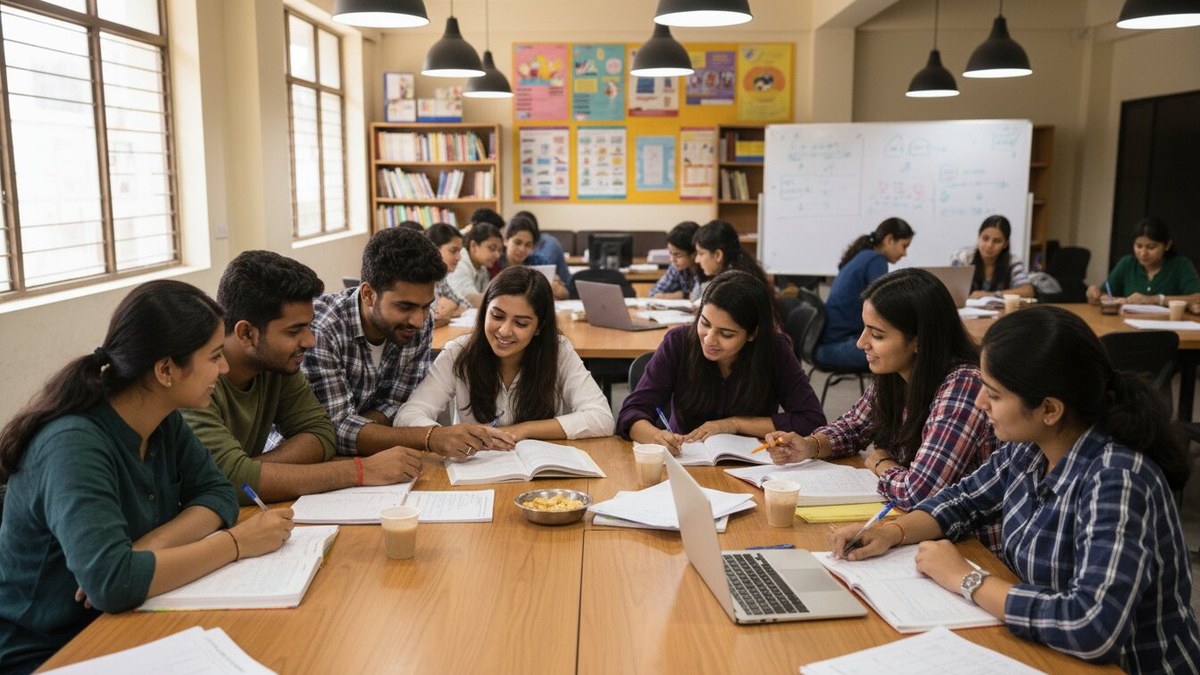
When peer tutoring works, it changes culture. Students stop seeing each other as competition. They become collaborators. Stronger students develop leadership. Weaker students develop courage. Everyone develops something.
For homemakers looking to earn income, this is opportunity. For senior citizens wanting to stay relevant, this is purpose. For tuition teachers wanting to scale impact, this is leverage. For edupreneurs building the next education platform, this is the model.
The infrastructure exists now. APNA PC makes it affordable. The science is proven. The only missing piece is implementation.
Ready to build this in your community? Start your own learning pod today and unlock the power of students teaching students. Visit teachtoearn.in to get started. Your community is waiting.