
Your child sits in the back. The lesson moves too fast. She stops raising her hand. You wonder if she’s just “not academic.”
Here’s the truth: She’s not the problem. The classroom design is.
Inclusive education classroom strategies aren’t about making everyone the same. They’re about recognizing that every learner in your tuition centre, school, or community learning pod has different needs, speeds, and strengths. Whether you’re a homemaker running a POD, a senior citizen mentoring neighbourhood kids, or a tuition teacher managing mixed-ability batches, inclusive teaching methods work. They have to. Because in India, we don’t have the luxury of one-size-fits-all classrooms anymore.
Let’s be honest: Most people don’t realise that inclusive education classroom isn’t charity work. It’s smart pedagogy. It lifts everyone up.
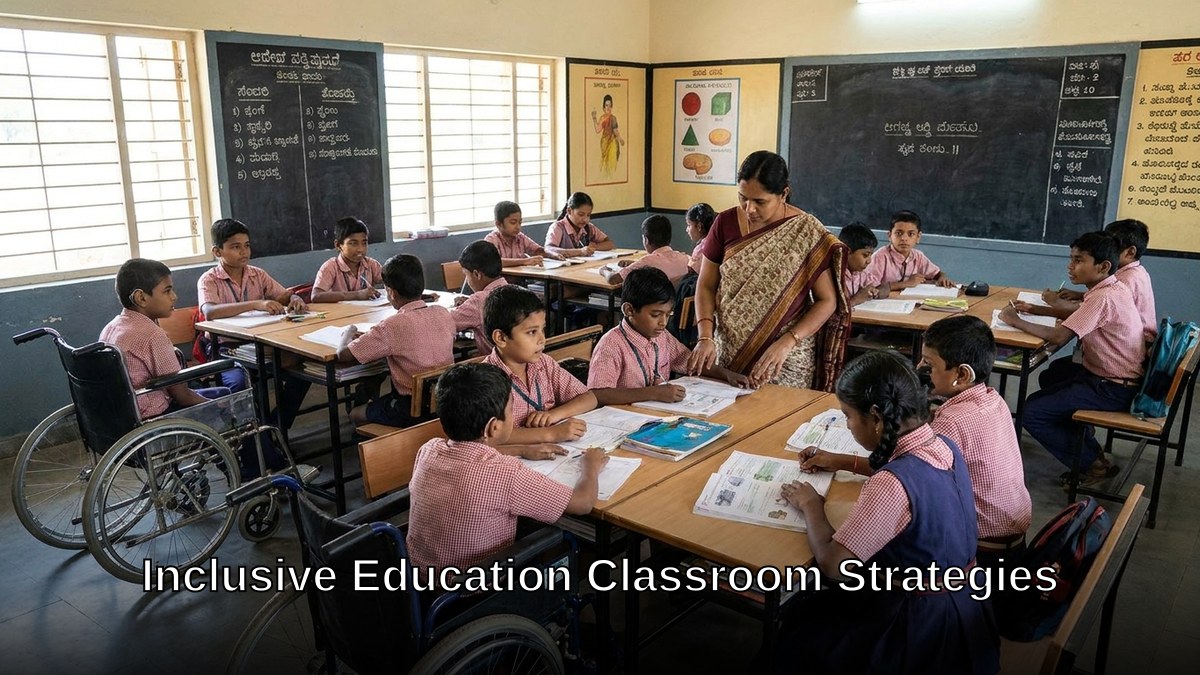
What Inclusive Education Classroom Actually Means
Forget the textbook definition for a moment. In the Indian context, Inclusive education means you’re teaching the bright kid, the struggling kid, the shy kid, and the hyperactive kid all in one space. And they’re all learning.
This isn’t new. Your grandmother probably taught like this in her joint family. Everyone learned together. The older kids helped the younger ones. The fast learners didn’t get bored because they had real responsibility. The slower learners didn’t feel ashamed because they weren’t singled out.
That’s inclusive teaching methods at its core.
The challenge now? Doing it intentionally. With structure. With the right tools.
- Differentiated instruction India is growing because schools finally understand: one worksheet doesn’t fit all brains
- Your tuition batch has kids reading at different levels? That’s normal. That’s where differentiation saves you
- A POD with mixed ages? Perfect. That’s where peer tutoring strategies and project-based learning examples actually shine
Practical Inclusive Education Classroom Methods You Can Start Today
You don’t need fancy technology to begin. You need intention.
Strategy 1: Station Rotation. Set up three corners in your learning space. One corner has reading material at different levels. Another has hands-on math activities. The third has creative or reflection tasks. Learners rotate. Everyone stays engaged. The advanced kid isn’t bored. The struggling kid isn’t overwhelmed.
Strategy 2: Anchor Activities. These are tasks students can do independently when they finish early or while you’re working with another group. A drawing task. A puzzle. A writing prompt. Not busy work. Real learning that connects to the lesson. This is where differentiated instruction India really takes shape.
Strategy 3: Flexible Grouping. Don’t lock kids into “smart group” and “slow group.” Mix them. Today, pair the confident reader with the struggling one. Tomorrow, group by interest, not ability. Peer tutoring strategies work best when groups shift and change.
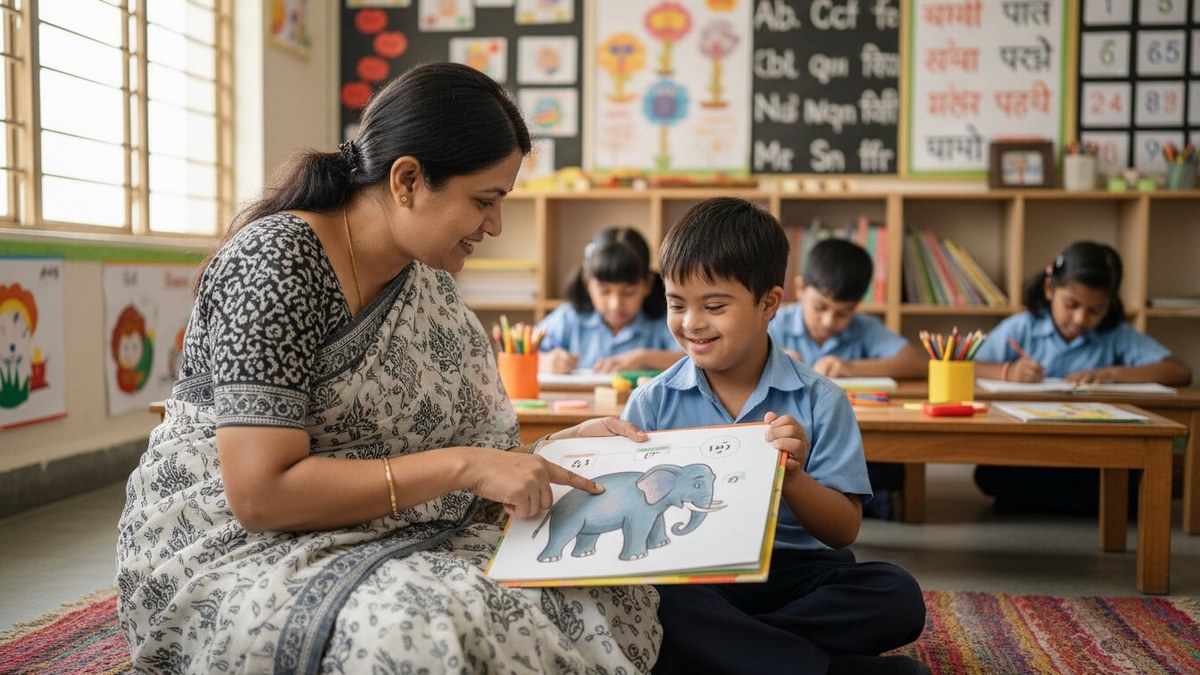
Strategy 4: Tiered Assignments. Same concept. Different complexity levels. All students tackle the same big idea. But the advanced learner works with more variables, more abstraction. The struggling learner works with concrete examples, fewer steps. Everyone’s thinking hard. Nobody’s doing something completely different.
Strategy 5: Use Technology Wisely. Here’s where APNA PC changes the game for your POD or tuition centre. With a complete bundle at Rs.30,000 (Mini PC i3 7th Gen, 8GB RAM, 128GB SSD, monitor, keyboard, mouse, webcam, headset, plus 3-year warranty and installation), you can run educational software that adapts to each child’s pace. Some kids move faster through modules. Others get extra practice. All on one system. No child left behind because the software itself is differentiated.
Why Inclusive Education Classroom Works in India
Look at the Education in India landscape. We have urban kids with tutors and rural kids with no resources. We have kids with disabilities in mainstream schools. We have massive economic gaps within single classrooms.
Pretending everyone’s the same doesn’t work. Never has.
Inclusive teaching methods acknowledge reality. They say: Yes, your students are different. That’s not a problem to solve. That’s a feature to build on.
When you implement project-based learning examples with real differentiation, something shifts. The kid who struggles with reading but excels at building? Finally visible. The child with anxiety who freezes in traditional tests? Gets to show what she knows through other means. The gifted kid who was bored? Now genuinely challenged.
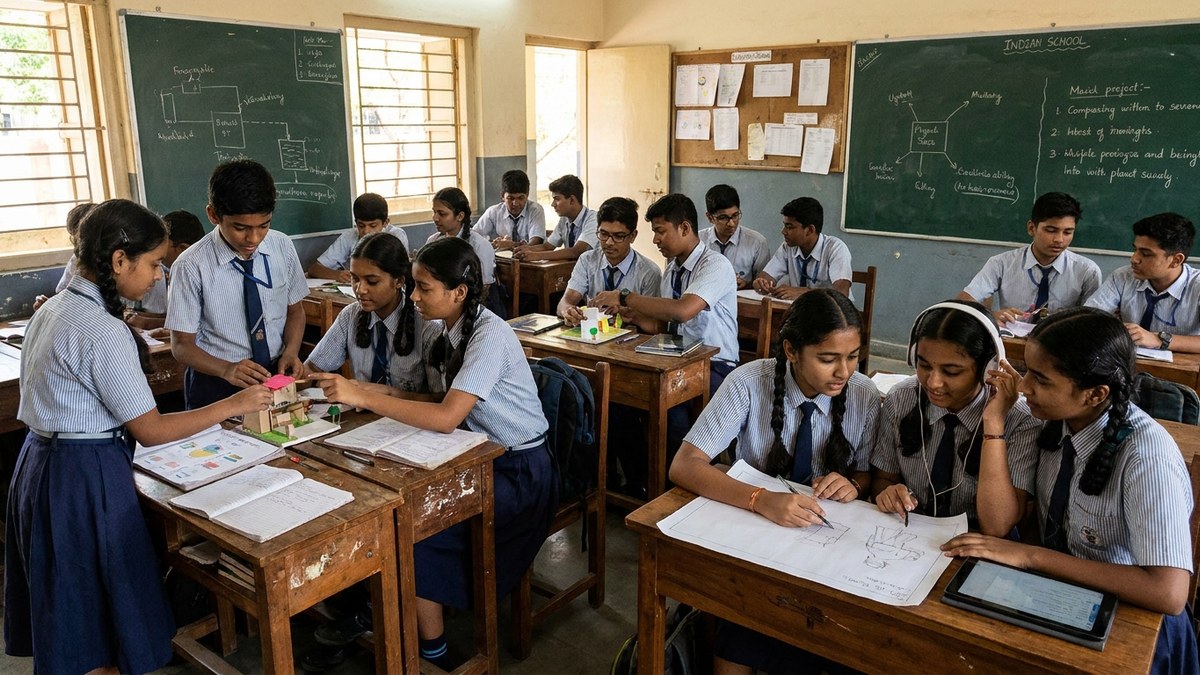
Start Building Your Inclusive Classroom Today
Start small. Pick one strategy. Maybe station rotation. Run it for two weeks. Watch what happens. Then add another layer.
If you’re running a POD or tuition centre, document what works. Share it with other educators. This is how inclusive teaching methods spread in India. Not through mandates from above. Through teachers and tutors and community leaders saying: I tried this. It worked.
The Ministry of Education pushes inclusive education policy. Good. But real inclusion happens in your classroom. With your students. Using strategies you design and adapt.
You have the power here. Not the government. Not the textbook publisher. You.
Most people don’t realise that inclusive education classroom is actually easier to manage than a traditional one. Why? Because when every student has something appropriate to work on, behaviour problems drop. Engagement rises. You’re not fighting the system. You’re working with human nature.
Ready to transform your learning space? Start with one inclusive teaching method this week. See what changes. Then build from there.
Start your own learning POD and implement inclusive strategies at scale. With the right setup, including technology like APNA PC, you can serve more students, more effectively, and build a sustainable income stream.