
The Blended Learning Model is Not Optional Anymore
Indian schools are stuck between two worlds. They want to embrace online teaching but cannot abandon the classroom. Parents demand flexibility. Students crave interaction. Teachers feel overwhelmed. Here is the truth: the blended learning model is the only honest answer to this mess.
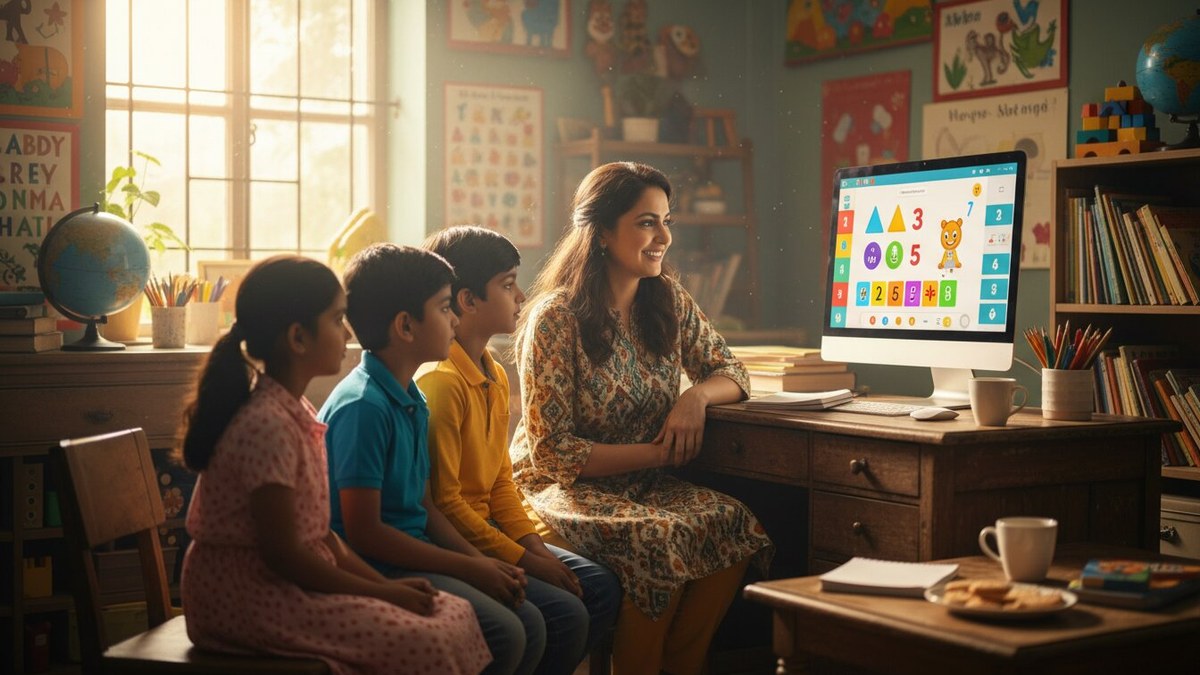
Most people do not realise that blended learning is not about technology. It is about common sense. You teach some concepts online when students learn best alone. You teach other concepts offline when they need a teacher’s presence. You mix, you match, you win.
The blended learning model combines online and offline teaching in a structured way. It is not random Zoom classes plus occasional classroom time. It is deliberate. Planned. Powerful. And Indian schools are finally ready for it.
Why Indian Schools Need Blended Learning Right Now
Let us be honest: traditional classroom teaching has limits. A teacher cannot give individual attention to 50 students. Online learning has limits too. Students feel isolated. They lose discipline. They drop out.
Blended learning fixes both problems at once.
- Flexibility for families: Working mothers can monitor their child’s progress online. Senior citizens can help with offline sessions. Schedules become human-friendly, not institution-friendly.
- Better learning outcomes: Research shows blended models improve retention by 25-30%. Students engage more because they choose how they learn.
- Teacher empowerment: Educators spend less time on repetition and more time on real teaching. This is why edtech careers in India are growing so fast.
- Cost savings: Schools reduce infrastructure burden. Teachers can run tuition teacher jobs more efficiently with hybrid models.
- Scalability: One teacher can reach 100 students through online modules, then conduct focused offline sessions for groups needing help.
The Digital India initiative has pushed broadband into villages. The infrastructure exists. What is missing is the will to implement blended learning properly.
How to Build a Blended Learning Model That Actually Works
Here is the framework that works in Indian schools and learning centres.
Step 1: Identify What Goes Online and What Stays Offline
Online works best for: self-paced content, video lectures, practice problems, assessments, doubt clarification through forums. Offline works best for: discussions, group projects, practical demonstrations, motivation, relationship-building.
Most schools get this backwards. They put discussions online and lectures offline. Stop doing that.
Step 2: Invest in the Right Tools
You do not need expensive software. You need reliable hardware and basic learning management systems. This is where APNA PC comes in. For Rs.30,000, you get a complete bundle: education software, 3-year warranty, installation, and a Mini PC (i3 7th Gen, 8GB RAM, 128GB SSD) plus monitor, keyboard, mouse, webcam, and headset. One device handles your entire blended learning setup.
Whether you are running a school or starting a Point of Digital Learning (POD) from home or your community centre, APNA PC gives you the infrastructure without the headache.
Step 3: Train Your Teachers
Technology is useless without trained educators. Your teachers need to understand how to facilitate online sessions, how to use learning analytics, how to keep students engaged remotely. This is not optional.
Step 4: Create a Feedback Loop
Track what works. Which students thrive with online learning? Which need more offline time? Adjust constantly. Blended learning is not static.
Real Scenarios Where Blended Learning Wins in India
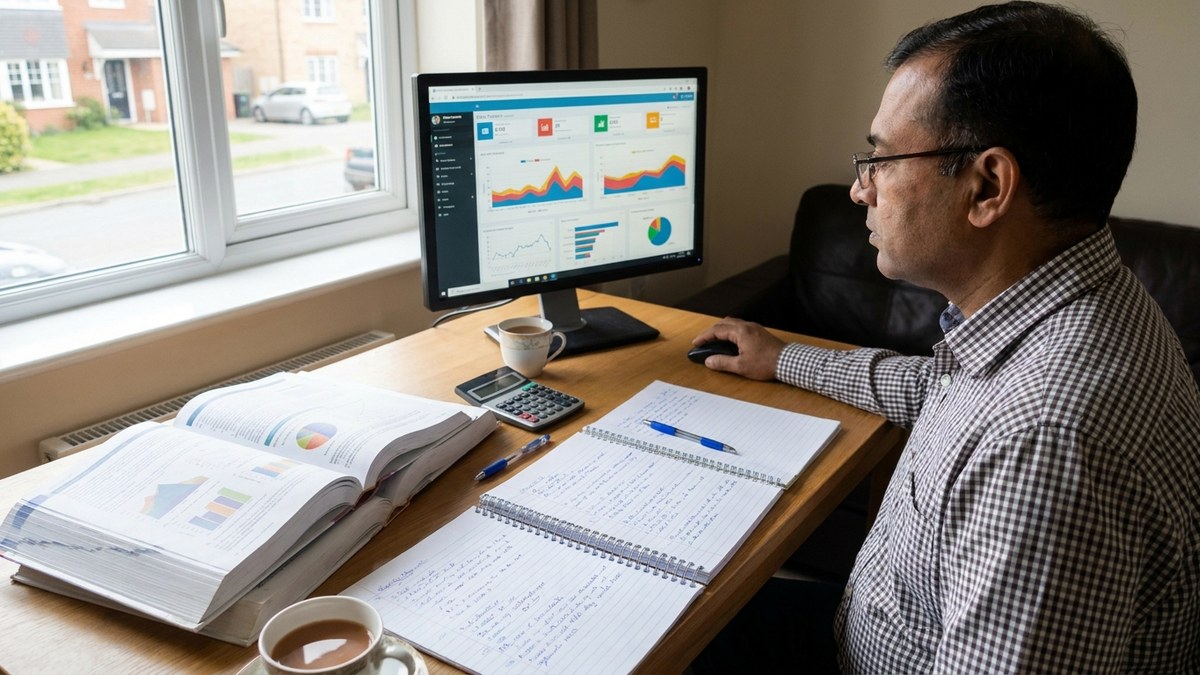
A homemaker in Mumbai wants to teach her neighbourhood children English. She cannot afford a physical tuition centre. With APNA PC and a blended model, she conducts online grammar lessons three times a week and offline conversation practice once a week from her home. Cost: minimal. Impact: huge.
A senior citizen in a small town wants to stay active and useful. He becomes an offline facilitator for a blended learning POD. Students watch video lectures online at home, then come to his centre for doubt sessions and group activities. He earns, stays engaged, and serves his community.
A school principal in Bangalore wants to reduce classroom size without losing revenue. She launches a blended model: core concepts online, application and assessment offline. Class sizes drop from 45 to 25. Learning improves. Parents pay the same fees for better quality.
These are not hypothetical. They are happening now in India.
The Resistance You Will Face and How to Overcome It
Parents will say: “My child needs a physical classroom.” True. They also need flexibility, individual attention, and better learning outcomes. Blended learning delivers all three.
Teachers will say: “Online teaching is harder.” Also true. But it is not harder forever. After three months of practice, most teachers prefer the blended model because they waste less time on repetition.
School administrators will say: “We cannot afford this.” Blended learning actually reduces costs. You need less physical space, less electricity, less infrastructure. Your investment in APNA PC pays back in six months.
The real resistance comes from inertia. We have done classroom teaching for 150 years. Change feels risky. But staying the same is riskier now.
Start Your Blended Learning Journey Today
Whether you are a homemaker, senior citizen, tuition teacher, or edupreneur, the blended learning model is your path forward. You do not need permission from the government or validation from big edtech companies. You need clarity, tools, and courage.
If you are thinking about starting a Point of Digital Learning or scaling your existing tuition business, learn how to start a TeachToEarn Learning POD here. We show you the exact model, the technology stack, and the business framework.
For context on how education is evolving in India, read about education in India to understand the broader landscape.
The blended learning model is not the future. It is the present. Schools and educators who adopt it now will thrive. Those who wait will struggle.
Your move.