
Your Child’s Screen Time Is Out of Control. Here’s Why That Matters.
Most people don’t realise that Indian students now spend 6-8 hours daily on screens, often without any structured breaks. That’s not just time wasted. That’s eyestrain, poor posture, disrupted sleep, and anxiety becoming the norm. Teachers see it. Parents feel it. But nobody talks about the real solution: digital detox for students isn’t about throwing away devices. It’s about using them smarter.
Here’s the truth: we’ve made a massive mistake. We’ve positioned screens as the enemy when the real problem is balance. A digital detox doesn’t mean your child stops learning online. It means they learn online with purpose, then disconnect with intention.
What Digital Detox Actually Means for Indian Students
Let’s be honest. When we say “digital detox,” parents panic. They think it means no computers, no internet, no learning apps. Wrong. Digital detox is about screen time management that protects your child’s physical and mental health while keeping education on track.
It looks like this:
- Structured learning hours with clear start and end times
- 20-minute screen sessions followed by 5-minute breaks (the 20-20-20 rule)
- At least 2 hours daily without any screens
- No devices during meals or 1 hour before bed
- Outdoor time as non-negotiable as homework
- Learning spaces designed for focus, not distraction
This isn’t punishment. This is healthy digital habits. And it works because it acknowledges reality: screens are here to stay. Your job isn’t to eliminate them. Your job is to control them.
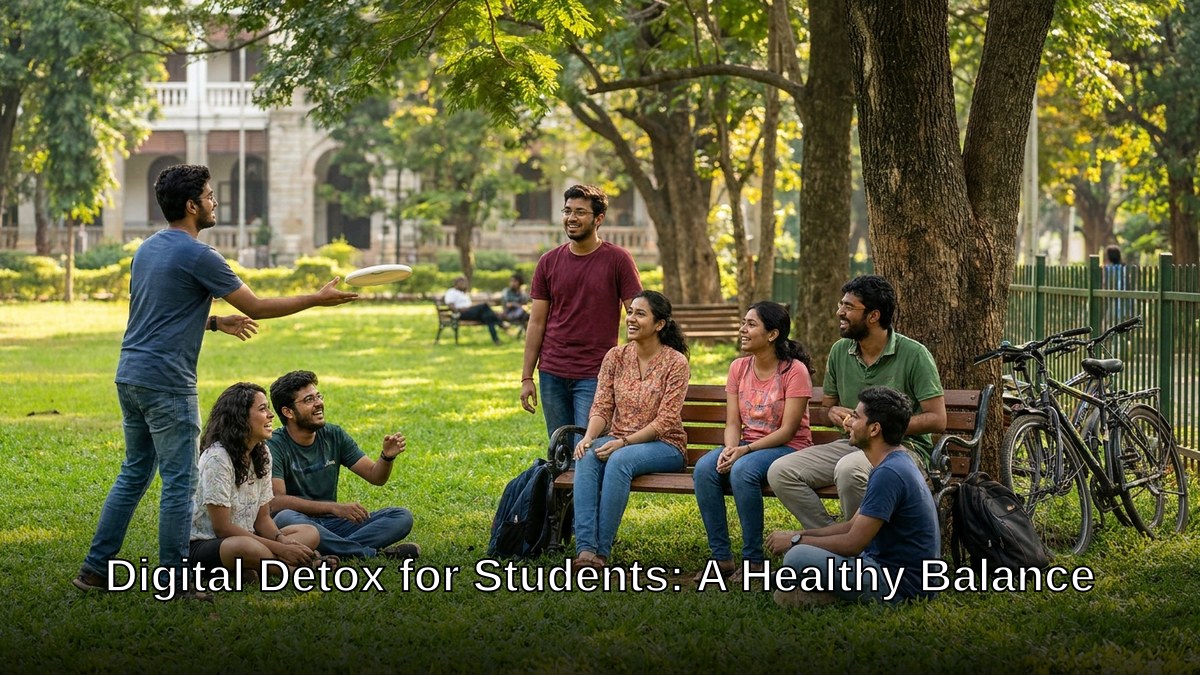
Why Screen Time Management Matters Right Now
Indian educators and parents are noticing something alarming. Students who spend 4+ hours on screens daily show:
- Reduced attention spans in physical classrooms
- Poor handwriting and motor skills
- Sleep problems and increased anxiety
- Difficulty making eye contact and building real relationships
- Neck and back pain (yes, even in teenagers)
The CBSE guidelines now recommend screen-free activities as part of student well-being. Your state education board likely says the same thing. But knowing it and doing it are different animals.
Most parents don’t realise that a digital detox for students isn’t about going backwards. The Digital India initiative pushes technology in education. But even that framework emphasizes balanced, purposeful technology use, not mindless scrolling.
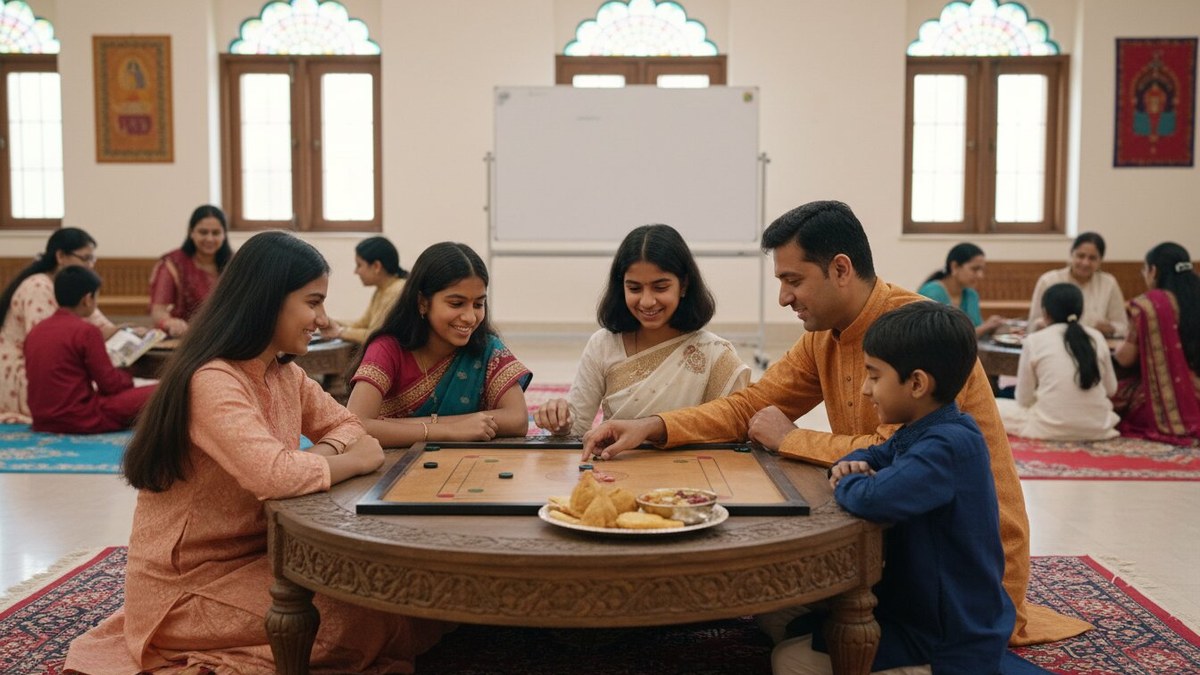
Building Healthy Digital Habits at Home and in Learning Centers
If you run a tuition center or Point of Digital Learning (POD), this is your responsibility. If you’re a parent managing homework at home, this is yours too.
Start with these steps:
- Set device boundaries. Specific times for learning, specific times for everything else.
- Create a distraction-free zone. Phone in another room. Notifications off. Focus on.
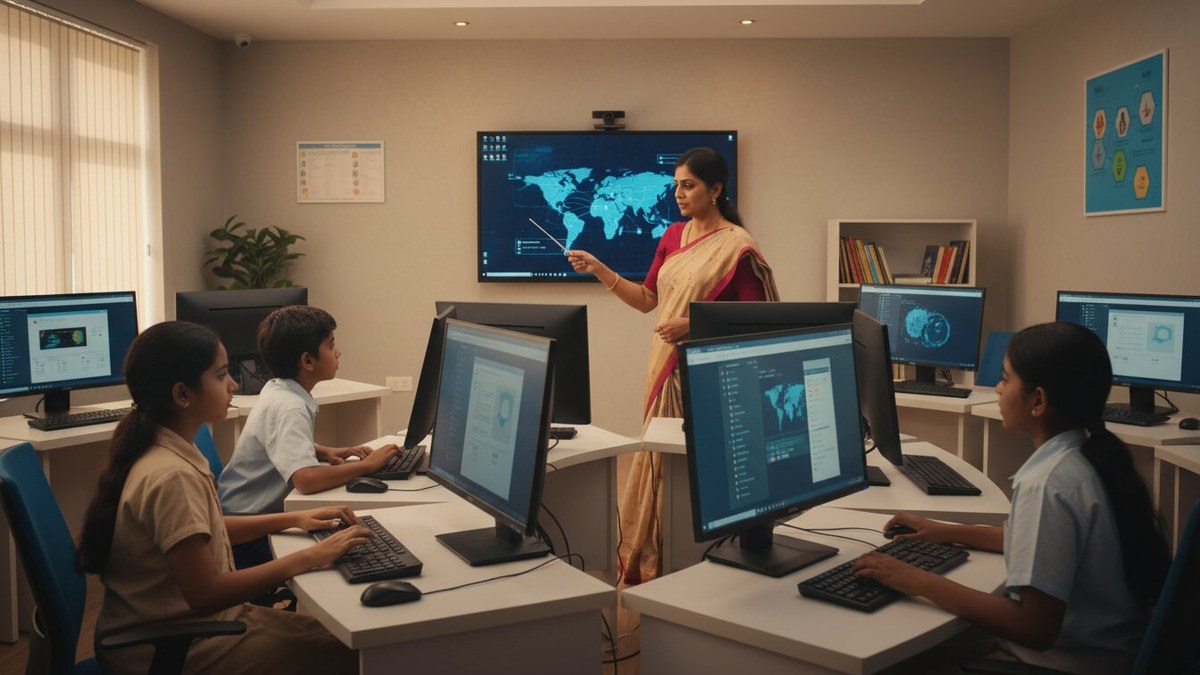
- Use quality devices, not just any device. A proper setup with good monitor, keyboard, and ergonomic seating prevents physical strain that makes kids want to stop using screens anyway.
- Mix online and offline learning. Use technology for what it’s good at (interactive lessons, research, collaboration). Use books, conversations, and hands-on activities for everything else.
- Model it yourself. If you’re on your phone during family dinner, your child won’t respect screen time boundaries either.
This is where many educators miss the mark. They talk about healthy digital habits but then expect students to learn on broken laptops with no proper setup. That’s not digital detox. That’s torture. A student hunched over a bad screen for 3 hours isn’t learning well. They’re suffering.
That’s why having the right tools matters. APNA PC comes with everything: education software, proper hardware (Mini PC i3 7th Gen, 8GB RAM, 128GB SSD), monitor, keyboard, mouse, webcam, headset, 3-year warranty, and installation. Rs.30,000 complete bundle. This is what a proper POD or home learning setup looks like. No compromises. No neck pain. No excuses.
The Real Goal: Student Well-Being Through Balance
Here’s what most educators miss: student well-being isn’t separate from learning. A child with good sleep, outdoor time, and balanced screen time learns better. Period. They focus longer. They retain more. They’re less anxious.
Implementing digital detox isn’t soft. It’s strategic. You’re protecting their future by protecting their present health.
Teachers implementing inclusive classroom strategies already know this. They balance different learning styles and needs. Digital detox is the same principle applied to screen time.
If you’re using tools like Google Workspace for Education guide, you have the power to set structured learning times. Use it. Your students will thank you.
Start Today. Make It Real.
Digital detox for students isn’t a trend. It’s necessary. Your child’s eyesight, sleep, posture, and mental health depend on it.
This week, audit your child’s screen time. Track it honestly. Then set one boundary. Just one. Maybe it’s no screens after 8 PM. Maybe it’s outdoor time every evening. Maybe it’s proper study setup instead of hunching over a phone.
If you’re setting up a learning center or home POD, make sure you have the right equipment. APNA PC gives you that foundation. Then build healthy habits on top of it.
Balance isn’t boring. Balance is what makes learning actually stick.