
Education Loan India: The Real Story Nobody Tells You
Your child got into a good college. The fees are Rs.15 lakhs for four years. Your savings account has Rs.2 lakhs. What now?
This is the moment when education loan india becomes not just an option, but a necessity for millions of Indian families. Yet most students and parents navigate this maze blindfolded, making costly mistakes that haunt them for years.
Here is the truth: An education loan india is not charity. It is a business transaction. Banks want your money back with interest. Understanding this changes everything about how you approach student loan india options.
Let us be honest. Most people do not realise that education loan india comes with hidden costs. Processing fees. Prepayment penalties. Insurance premiums. Collateral requirements. The advertised interest rate is just the beginning of your story.

Types of Student Loan India and How They Actually Work
The student loan india landscape splits into several clear categories. Government-backed loans. Private bank loans. Non-banking finance company loans. Each has different rules, interest rates, and repayment terms.
- Government Education Loans: Lower interest rates (around 8-9% currently). No collateral needed for loans under Rs.4 lakhs. Moratorium period of 6 months after course completion. Processing fee capped at 1%.
- Private Bank Education Loans: Higher interest rates (10-14%). Faster disbursal. Flexible course eligibility. Often requires collateral for larger amounts.
- NBFC Education Loans: Highest interest rates. Quickest approval. Minimal documentation. Best for students who cannot access bank loans.
The education loan india you choose depends on three factors: your family’s collateral capacity, the course credibility, and your risk tolerance for repayment burden.
Most people do not realise that the same Rs.10 lakh loan costs Rs.2 lakhs more at a private bank than at a government institution over 10 years. That is not a small difference. That is a car. Or a house down payment.
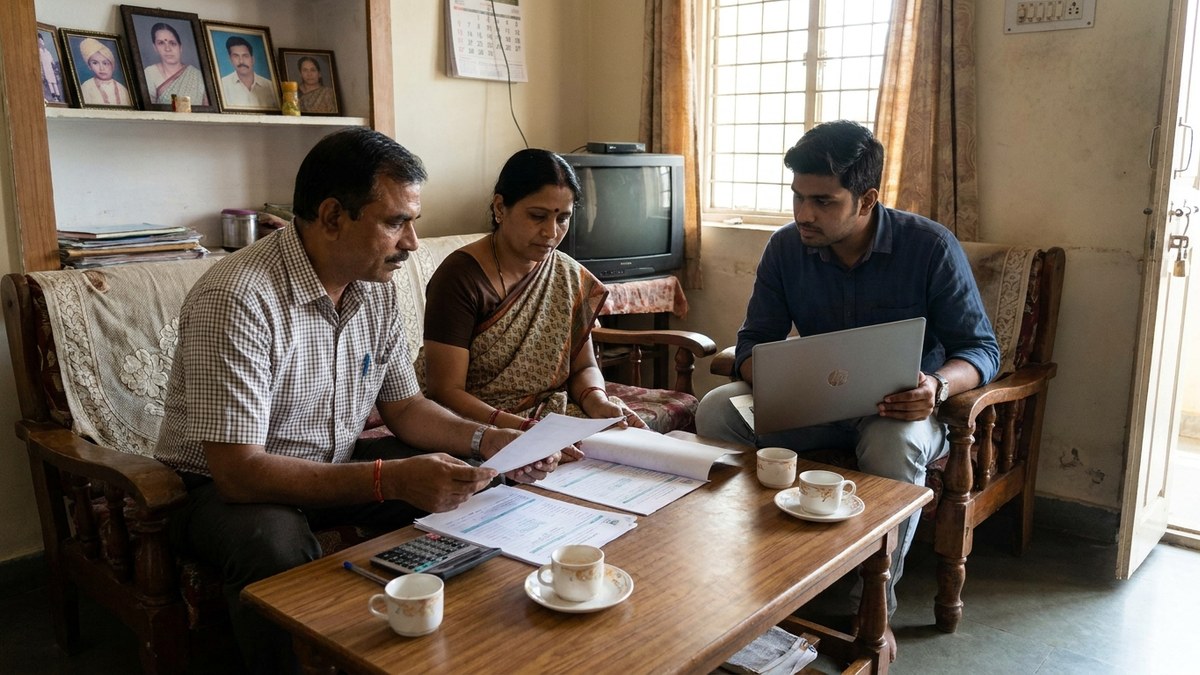
The Hidden Costs of Student Loan India You Must Know
Banks love to advertise their interest rates. They stay quiet about everything else.
- Processing Fee: 1-2% of loan amount. Non-refundable.
- Insurance Premium: 0.5-1% annually. Covers loan repayment if you lose employment.
- Prepayment Penalty: 1-3% if you want to close the loan early.
- Late Payment Charges: 1-2% per month on overdue amount.
- Document Charges: Rs.500-2000 for obtaining loan statements, duplicate documents.
A Rs.10 lakh education loan india with 10% interest looks reasonable. Add processing fee, insurance, and you are paying closer to 11.5% effective cost. Over 10 years, that changes your total repayment from Rs.16.27 lakhs to Rs.17.5 lakhs.
Here is the truth: Education financing in India is designed to benefit lenders more than borrowers. Your job is to minimise that gap.
How Digital Learning Centres Change the Education Financing Game
Most people do not realise there is an alternative path that reduces education loan india burden significantly.
A Point of Digital Learning (POD) run by trained educators in your community can deliver quality education at a fraction of traditional college costs. Instead of paying Rs.15 lakhs for a four-year degree, families can access structured digital learning programmes through APNA PC setups for a one-time investment.
APNA PC is a complete bundle at Rs.30,000. You get education software, 3-year warranty, installation, and a Mini PC (i3 7th Gen, 8GB RAM, 128GB SSD) with monitor, keyboard, mouse, webcam, and headset. This becomes the foundation of a home or community learning centre.
Why does this matter for education loan india decisions? Because it shifts the equation entirely. Instead of borrowing Rs.15 lakhs, you borrow Rs.3-5 lakhs for structured online courses plus the APNA PC setup. Your monthly EMI drops from Rs.15,000 to Rs.5,000. Your total interest paid drops from Rs.5 lakhs to Rs.1.5 lakhs.
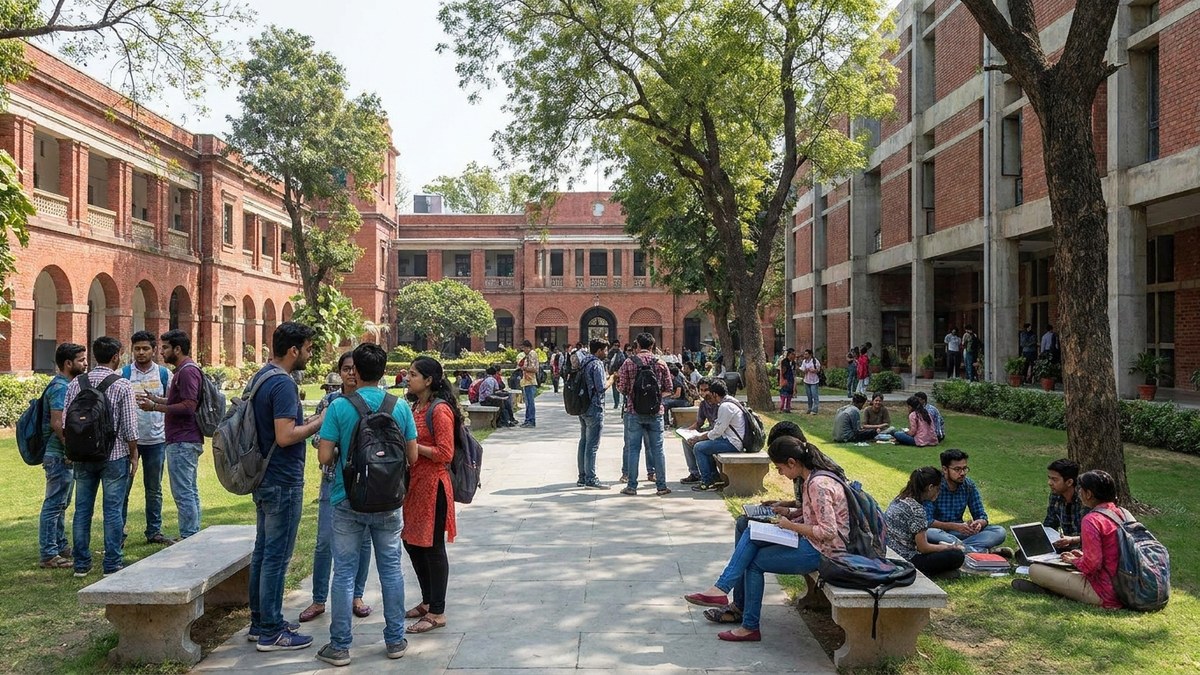
The Digital India initiative has created infrastructure for this shift. UNESCO global education research confirms that blended learning models deliver comparable outcomes to traditional classroom education at significantly lower cost.
Your Action Plan for Education Loan India in 2026
Step one: Calculate your actual education cost. Not the advertised fees. The real cost including hostel, books, travel, miscellaneous expenses.
Step two: Assess your family’s collateral capacity. Can you offer property? Gold? Fixed deposits? This determines which lenders will approve you and at what interest rate.
Step three: Compare loan options across at least three lenders. Government banks first. Then private banks. Then NBFCs. The difference in total repayment cost is enormous.
Step four: Explore alternative education paths. A POD with APNA PC setup combined with online certification programmes might deliver better ROI than a traditional degree.
Step five: Understand repayment capacity before you sign. If your expected starting salary is Rs.25,000 monthly, a Rs.15 lakh education loan india with Rs.15,000 monthly EMI is financial suicide. The debt-to-income ratio should never exceed 15%.
Let us be honest. Most students borrow without understanding repayment mathematics. They graduate, enter the job market, and suddenly realise they cannot afford their monthly EMI. By then it is too late.
The education loan india you take today will influence your financial freedom for the next 10 years. Choose carefully. Challenge the assumption that traditional college is the only path. Explore how digital learning centres and APNA PC setups can deliver quality education at sustainable cost.
Ready to explore alternative education financing? Learn how exit tickets for classroom assessment and Bloom’s taxonomy for exam questions help educators deliver better outcomes in digital learning environments.
Start your digital learning journey today. Explore APNA PC and build your Point of Digital Learning now.