
The Uncomfortable Truth About Indian Education
Your child finished 12th grade. Now what? Most parents panic. The competition is brutal. Seats in colleges are limited. And here is the truth: not every student needs a degree to build a secure future. Vocational training in India is not a backup plan for “average” students. It is a direct highway to real jobs, real skills, and real earning potential.
Let us be honest. The Indian education system pushes everyone toward the same narrow path: school, college, degree, job. But the job market does not work that way anymore. Employers want skills. They want people who can do things. Vocational education delivers exactly that.
What Vocational Training Actually Does
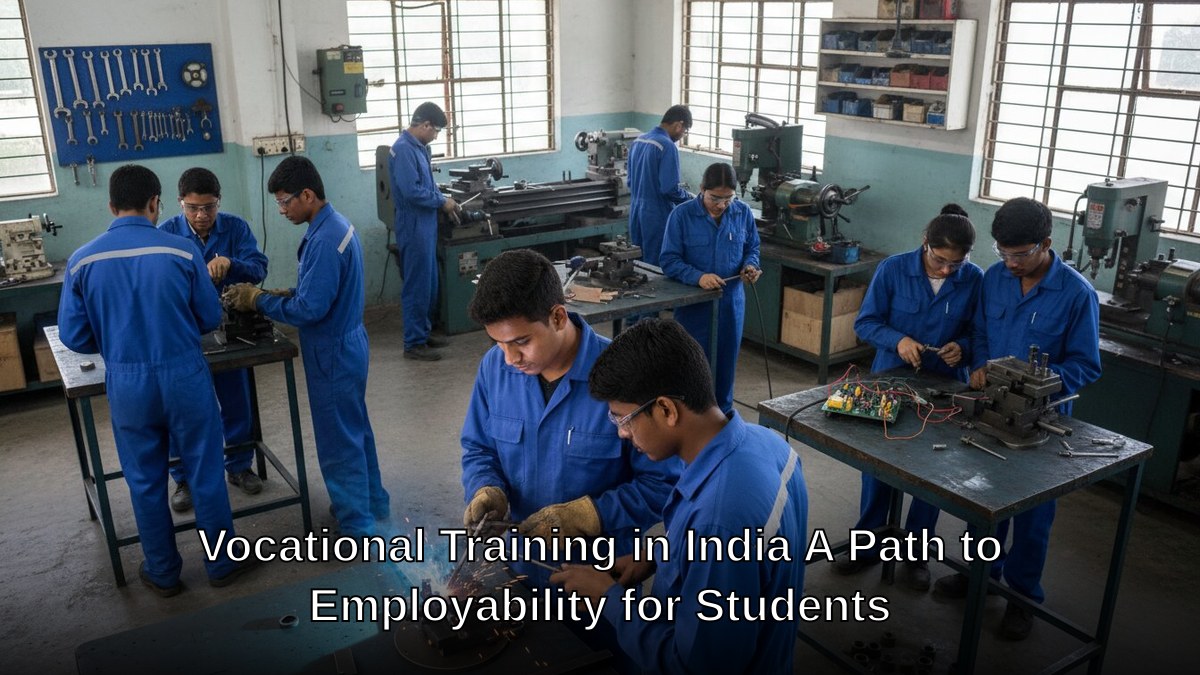
Vocational training in India teaches practical, job-ready skills. Not theory. Not textbook knowledge that gets forgotten after exams. Real skills. Electrical work. Plumbing. Welding. Computer repair. Nursing. Hospitality. These are fields where demand far exceeds supply.
Most people do not realise that vocational graduates often earn more than college graduates in their first five years. Why? Because they start working immediately. They build experience. They build networks. Meanwhile, degree holders are still searching for entry-level positions.
- Vocational education takes 6 months to 2 years, not 4 years
- Training is hands-on, practical, and industry-aligned
- Job placement happens during or immediately after training
- Skill development focuses on what employers actually need
- Students earn while learning in many programs
The India Ministry of Education has recognized this. They are pushing vocational education hard. New schemes, funding, and recognition are flowing into skill development programs across the country.
Who Benefits From Vocational Training
Stop thinking vocational training is only for school dropouts. That assumption is killing opportunities.
Homemakers can learn skills like tailoring, beauty therapy, or digital marketing and build income from home. Senior citizens can train in areas like counselling, tutoring, or craft work. Tuition teachers can expand into skill training and edupreneurship. Students who want faster entry into the workforce can skip the college waiting game.
Skill development is not about age or background. It is about wanting to do something useful and earning money doing it.
The Infrastructure Problem (And How To Solve It)
Here is the challenge: quality vocational training requires equipment, space, and trained educators. Not every area has a proper training center. Rural India especially gets left behind.
This is where a Point of Digital Learning (POD) changes everything. A POD is a home or community learning centre run by a trained educator. It brings vocational and skill training to your neighborhood. No need to travel to distant cities. No need to wait for government infrastructure.
To run a POD effectively, you need the right tools. This is where APNA PC comes in. For Rs.30,000, you get a complete bundle: Mini PC (i3 7th Gen processor, 8GB RAM, 128GB SSD), monitor, keyboard, mouse, webcam, headset, education software, 3-year warranty, and professional installation. Everything you need to deliver quality vocational and skill training from your community.
Assessment That Actually Matters
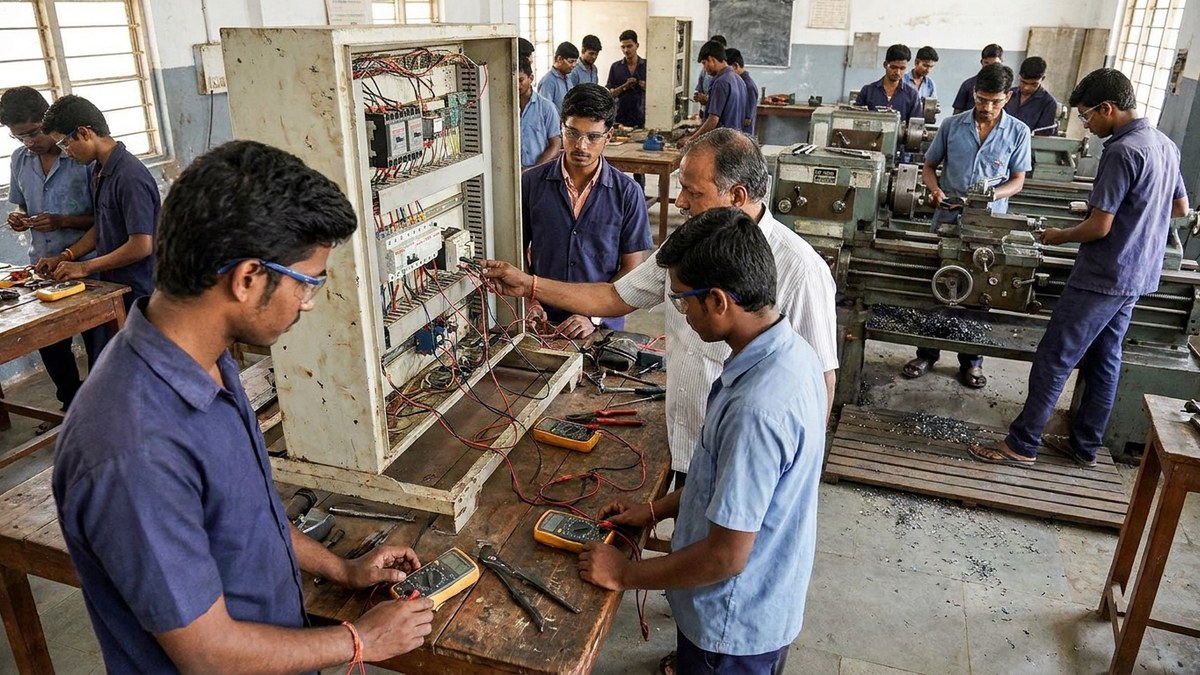
Vocational training is not about memorizing facts. It is about demonstrating competence. This is why assessment methods matter.
Traditional exams do not measure vocational skills well. You cannot test welding ability with multiple-choice questions. This is where modern assessment methods like rubric-based assessment become critical. Rubrics give clear criteria for what good work looks like. Students know exactly what is expected.
Quick checks like exit tickets for assessment help trainers understand what students learned in each session. No surprises at the end. Continuous feedback. Continuous improvement.
The Digital Learning Advantage
Digital learning platforms like DIKSHA digital learning platform are making vocational content accessible across India. Video tutorials, interactive modules, and progress tracking are now standard.
But digital learning alone is not enough. Students need hands-on practice. They need a real person to answer questions. They need a community. A POD powered by APNA PC combines the best of both: access to digital content plus real human guidance.

Your Next Step
If you are a homemaker wanting to build an income stream, a senior citizen wanting to stay productive, a tuition teacher wanting to expand into skills training, or an edupreneur building a learning centre, vocational training is your answer.
The infrastructure is simpler than you think. APNA PC gives you everything needed to start delivering quality training today. No massive investment. No complicated setup. Just solid equipment, training software, and support.
Explore APNA PC and launch your vocational training centre today. The students in your community are waiting. The jobs are waiting. The only thing missing is you.