
Students Are Bored Because You’re Talking Too Much
Here’s the truth: A student sitting quietly in your class isn’t learning. They’re waiting. Waiting for the bell, waiting for lunch, waiting for someone to ask them a question that forces their brain to actually work. Most tuition teachers and edupreneurs don’t realise that passive listening creates passive learners. Active learning strategies flip this completely. Instead of you delivering information like a one-way broadcast, your students become problem-solvers, discussers, and thinkers.
Active learning strategies aren’t fancy. They’re not complicated. They’re about one thing: making students think instead of just listen. Whether you’re running a POD (Point of Digital Learning) from your home or managing a community learning centre, these methods work. They work with 5 students or 50. They work with basic resources or advanced tech like APNA PC.
Let’s be honest. The traditional model is broken. Student sits. Teacher talks. Student forgets 70% by tomorrow. That’s not education. That’s theatre. Active learning strategies change the script entirely.
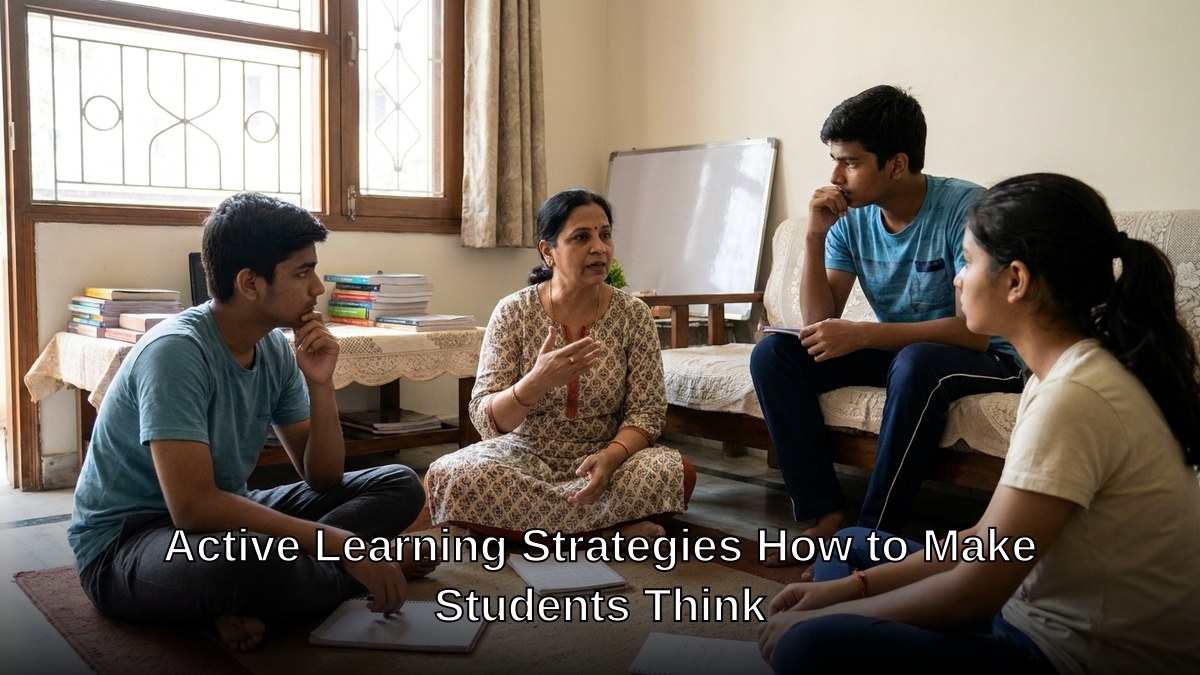
12 Active Learning Strategies That Actually Work
Here are 12 active learning strategies with real examples you can use tomorrow in your tuition centre or POD:
- Think-Pair-Share: Student thinks about a question alone for 60 seconds. Then pairs with a classmate to discuss. Finally, they share with the group. Example: “How would you solve this algebra problem differently if you had to explain it to a 10-year-old?”
- Peer Teaching: One student teaches the concept to another. The teacher becomes the observer. Example: Ask Rahul to explain photosynthesis to Priya while you listen and correct only when needed.
- One-Minute Papers: Students write for one minute on what they learned, what confused them, or what they want to know next. Instant feedback loop. No long essays. Just clarity.
- Concept Mapping: Students draw connections between ideas using diagrams, not lists. Example: Map how rivers, rainfall, and agriculture connect in geography.
- Case Studies and Real Scenarios: Present a real problem. Let students work through it. Example: “A farmer in Maharashtra has this soil condition. What crops should he plant and why?”
- Muddiest Point: Ask students to write down the most confusing part of the lesson. Address these directly. This kills confusion before it spreads.
- Debates and Discussions: Divide the class. One side argues for, one against. Example: “Should India focus on renewable energy or coal? Defend your position with facts.”
- Problem-Based Learning: Give a real problem. Students research, discuss, and propose solutions together. Example: “Design a water harvesting system for your village.”
- Interactive Quizzes with Clickers or Polls: Use simple tools or even WhatsApp polls. Students answer in real-time. You see misconceptions instantly.
- Role-Playing and Simulations: Students act out historical events, scientific processes, or business scenarios. Example: Act out the water cycle with students playing water molecules.
- Minute Madness (Speed Presentations): Each student presents one idea in 60 seconds. Forces clarity. Keeps energy high.
- Gallery Walk: Students post their work around the room. Others walk around, read, and leave sticky note feedback. Instant peer review without you doing all the work.
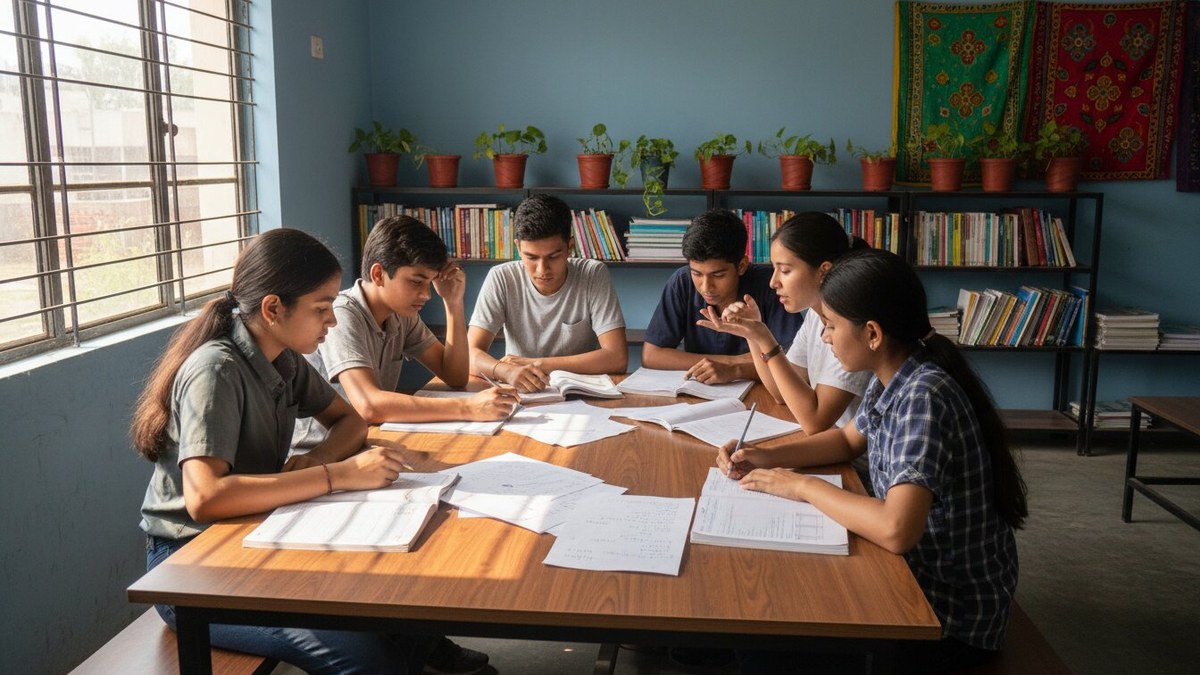
These 12 active learning strategies examples aren’t theoretical. Teachers across India are using them right now in tuition centres, PODs, and community learning spaces. The results speak for themselves: higher retention, better exam scores, and students who actually enjoy learning.
Why Active Learning Works (And Why Your Students Need It)
Understanding the science of learning helps. When students engage actively, their brains form stronger neural connections. They remember more. They apply knowledge better. They think critically instead of memorising answers.
Your students also have access to free resources now. Platforms like DIKSHA platform offer content that complements active learning. But content alone isn’t enough. You need strategy. You need engagement. You need active learning strategies that make students the centre of the learning experience.
Most people don’t realise that edupreneurs running PODs have a massive advantage here. You’re not bound by rigid school schedules. You can experiment. You can try new active learning strategies examples, see what works with your specific students, and adapt quickly. That flexibility is gold.
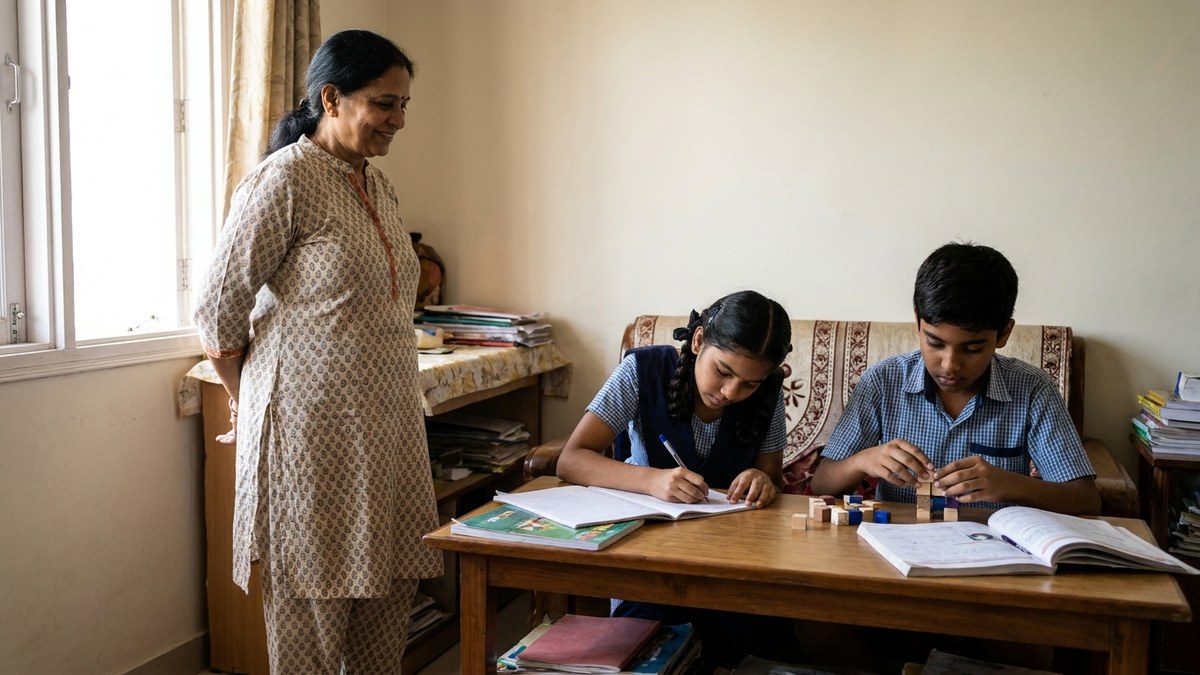
If you’re preparing students for competitive exams or government opportunities like the free government internship for students, active learning strategies matter even more. These methods build problem-solving skills, communication abilities, and confidence that exams test.
Making Active Learning Strategies Work in Your POD
You don’t need fancy equipment. You need intention. But if you’re serious about scaling your POD or tuition centre, tools help. APNA PC (Rs.30,000 complete bundle) gives you everything: education software, 3-year warranty, installation, Mini PC with i3 7th Gen processor, 8GB RAM, 128GB SSD, monitor, keyboard, mouse, webcam, and headset. This setup lets you run interactive sessions, record lessons, and use digital tools that amplify active learning strategies.
Start small. Pick one active learning strategy. Use it next week. See what happens. Then add another. Your students will respond. They’ll be more engaged. They’ll learn faster. And you’ll actually enjoy teaching again.
Ready to build a real learning centre? Start your POD with TeachToEarn and get access to training, resources, and a community of educators using these exact strategies.
One more thing: if your students need digital literacy examples for Indian students, active learning strategies make that easier too. You’re not teaching tech in isolation. You’re embedding it into real learning experiences.
Stop lecturing. Start engaging. Your students will thank you.