Homeschooling in India is a growing choice for parents who want personalised education tailored to their child’s pace and interests. It gives families flexibility to design learning around their values, schedule and local resources. This guide covers what homeschooling involves, how to set it up legally, teaching methods, costs and the support systems available to parents in India.
What is homeschooling and how does it work in India?
Homeschooling means educating your child at home instead of sending them to a formal school. In India, homeschooling is legal under the Right to Free and Compulsory Education Act, 2009, but the rules vary by state. Most states require parents to register their child with a school board (such as the Central Board of Secondary Education (CBSE)) and appear for board exams at specific grades, typically Class 10 and Class 12.
You design the curriculum, choose teaching methods, set the pace and decide when and how your child learns. Some parents follow a structured curriculum; others use a mix of books, online courses, projects and real-world experiences. Homeschooling works best when parents commit time to planning lessons, tracking progress and creating a learning space at home.
What legal requirements apply to homeschooling in India?
Before you start homeschooling, check your state’s rules because they differ. Most states require you to notify the local education officer or school board that you are homeschooling your child. You may need to file an affidavit stating your intent to homeschool and provide proof of your child’s age and previous schooling (if any).
Your child must still appear for board exams at Class 10 and Class 12 if you want a recognised qualification. You can register as a private candidate with CBSE or your state board and sit for these exams. Some states also conduct periodic assessments or require you to submit progress reports. Contact your state’s Department of Education or the nearest CBSE regional office for exact procedures and forms.
How do I set up a homeschooling routine and learning space?
A consistent routine helps children stay focused and makes homeschooling manageable. Set fixed hours for learning each day, just as a school would have a timetable. Start with core subjects (maths, languages, science and social studies) in the morning when your child is alert, and move to creative or practical subjects in the afternoon.
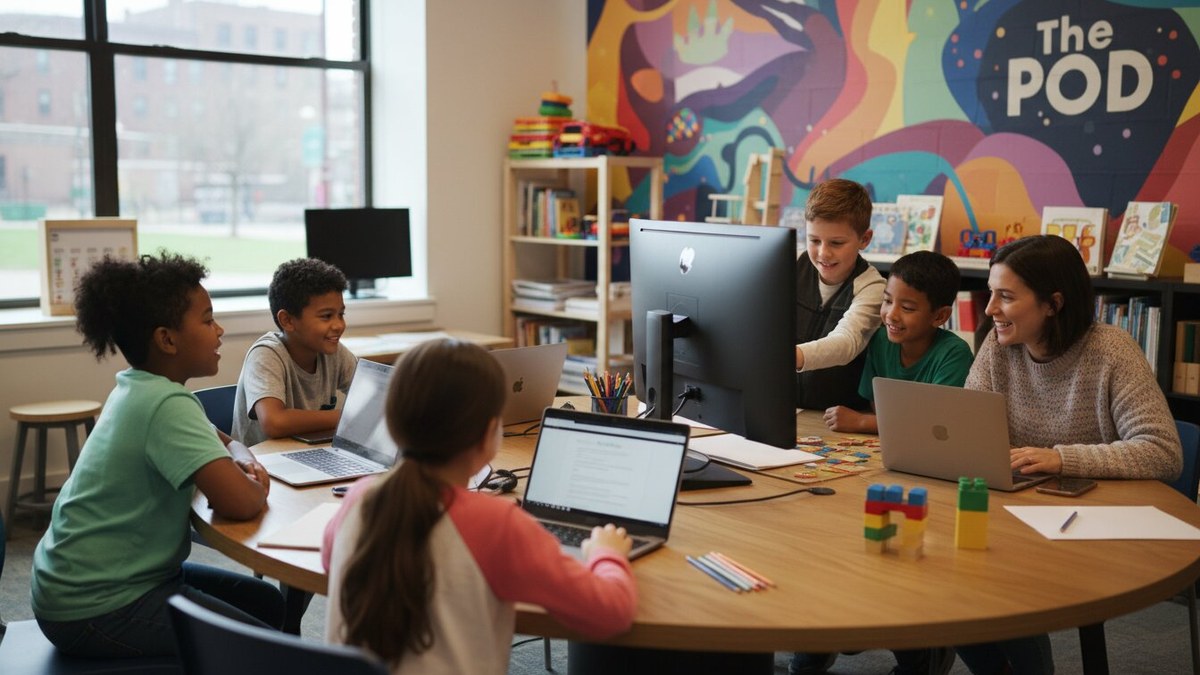
Create a dedicated learning space at home, a quiet corner or room with a table, chair, books and minimal distractions. Good lighting, a computer or tablet, and access to reference materials make learning easier. If your home is small or noisy, you might join a community learning centre (POD) where other homeschooling families study together with trained facilitators.
A structured day might look like this: 9 to 10 a.m. maths, 10 to 11 a.m. language, 11 to 12 p.m. science, 12 to 1 p.m. lunch, 1 to 2 p.m. social studies or project work, 2 to 3 p.m. arts, sports or life skills. Adjust timings to suit your family’s schedule and your child’s learning style.
Which curriculum and teaching methods work best for homeschooling?
You have several curriculum options in India. The CBSE curriculum is widely recognised and prepares your child for board exams. State boards offer their own syllabi. Some parents use international curricula like the International Baccalaureate (IB) or Cambridge. Others design their own curriculum using books, online courses and real-world learning.
Popular teaching methods include textbook-based learning, online courses, project-based learning and experiential learning. Competency-based education focuses on skills and understanding rather than rote memorisation, which suits homeschooling well. Building a growth mindset in your child encourages them to see challenges as learning opportunities.
Many homeschooling parents combine resources: a textbook for structure, YouTube videos to explain concepts, hands-on experiments for science, field trips for social studies, and arts or coding for creative skills. This mix keeps learning engaging and caters to different learning styles.
How much does homeschooling cost in India?
Homeschooling costs depend on the curriculum, materials and support you choose. Here is a rough breakdown:
- Curriculum and textbooks: Annual costs for CBSE or state board books and study guides.
- Online courses and subscriptions: Monthly fees for platforms like Khan Academy, Vedantu or Byju’s (optional).
- Computer and internet: One-time investment for a basic computer or laptop; monthly broadband charges.
- Tuition or coaching (if needed): Monthly fees for subjects where you need help.
- Board exam registration: Fees for Class 10 and Class 12 exams.
If you want a computer bundle with pre-loaded educational software, the APNA PC costs Rs. 30,000 and includes a mini PC, monitor, keyboard, mouse, webcam, headset, and learning software like Scratch, LibreOffice and Audacity, plus a 3-year warranty.
What support systems exist for homeschooling parents in India?
Homeschooling can feel isolating, so connect with other families and learning communities. Many cities have homeschooling groups where parents share resources, organise field trips and discuss challenges. Online communities on social media and forums like the Indian Homeschooling Association offer advice and encouragement.
Community learning centres called PODs bring homeschooling families together. In a POD, trained facilitators guide learning, children interact with peers, and parents get support with curriculum planning and exam preparation. Apni Pathshala operates 50+ PODs across 21 states, offering affordable access to computers, internet and structured learning. Apni Prerna is student safety and monitoring software that helps parents track progress and keep children safe online.
Social-emotional learning (SEL) is important for homeschooled children too, as it builds confidence, empathy and problem-solving skills. Include activities that develop these alongside academics.
What challenges come with homeschooling and how can I overcome them?
Homeschooling requires discipline from both parent and child. You must plan lessons, stay consistent, manage distractions and assess progress. If you lack confidence in a subject, hire a tutor, use online courses or join study groups. Time management is crucial; set realistic daily goals and avoid burnout.
Socialisation is another concern. Homeschooled children may miss peer interaction. Address this by enrolling in sports or hobby classes, joining community groups, attending POD sessions or organising regular playdates with other homeschooling families. Many homeschoolers also participate in school exams, which brings them into contact with other students.
Board exam preparation can be stressful. Start early, use past papers, join coaching classes if needed and stay in touch with the exam board’s guidelines. Modern tools like AI can help grade assignments and give feedback, though human review is important too.
Is homeschooling the right choice for your family?
Homeschooling suits families who value flexibility, have time to invest in teaching and want a personalised approach. It works well for children who are self-motivated, learn at a different pace, have specific interests or face challenges in traditional schools. However, it demands commitment from parents and may not suit families with limited time, resources or confidence.
Before deciding, ask yourself: Do I have time to plan and teach? Can I afford the materials and support? Is my child motivated to learn at home? Do I have a quiet space for studying? If your answer is yes to most questions, homeschooling could be a good fit. If not, explore hybrid options like PODs, online schools or part-time homeschooling combined with school attendance.
Frequently Asked Questions
Is homeschooling legal in India?
Yes, homeschooling is legal in India under the Right to Free and Compulsory Education Act, 2009. However, rules vary by state. You must register your child with a school board, usually CBSE or a state board, and your child must appear for board exams at Class 10 and Class 12 to get a recognised qualification. Check your state’s education department for specific requirements.
What curriculum should I follow for homeschooling in India?
The most common choice is the CBSE curriculum because it is widely recognised and prepares your child for board exams. You can also follow your state board’s curriculum, international curricula like IB or Cambridge, or design your own. Many parents mix resources like textbooks, online courses, projects and real-world learning to keep education engaging and flexible.
How much does homeschooling cost in India?
Costs vary widely depending on curriculum, materials and support you choose. A complete educational computer bundle like the APNA PC costs Rs. 30,000 and includes software, warranty and installation, making it a cost-effective option for homeschooling families alongside other learning resources.
How do I ensure my homeschooled child gets socialisation?
Enrol your child in sports, hobby classes, music lessons or community groups. Join homeschooling networks and PODs where children learn with peers. Organise regular playdates and field trips with other homeschooling families. Many homeschoolers also sit for board exams, which brings them into contact with other students and provides a formal assessment of their learning.
Can I homeschool my child and still have them take board exams?
Yes. You can register your child as a private candidate with CBSE or your state board and appear for Class 10 and Class 12 exams. This gives your child a recognised qualification and the option to continue to college or university. Contact your nearest CBSE regional office or state education board for registration procedures and exam dates.
Homeschooling in India is a viable and growing option for families seeking flexibility and personalised learning. Start by understanding your state’s legal requirements, choosing a curriculum that fits your child’s needs, and building a support network. If you need affordable technology to support your homeschooling, explore the APNA PC bundle for homeschooling.