
Board exams in 2026 will punish students who study the old way. Here is the truth: cramming at midnight, reading textbooks passively, and hoping memory saves you is a recipe for mediocre marks.
Smart board exam study techniques separate toppers from the rest. Not because they work harder. Because they work differently. If you’re a parent, tuition teacher, or edupreneur running a Point of Digital Learning centre, you need to know these methods now. Your students’ futures depend on it.
The Central Board of Secondary Education and state boards are not getting easier. Questions are sharper. Concepts are deeper. Students need board exam study techniques that actually stick knowledge in their brains, not just in their notebooks.
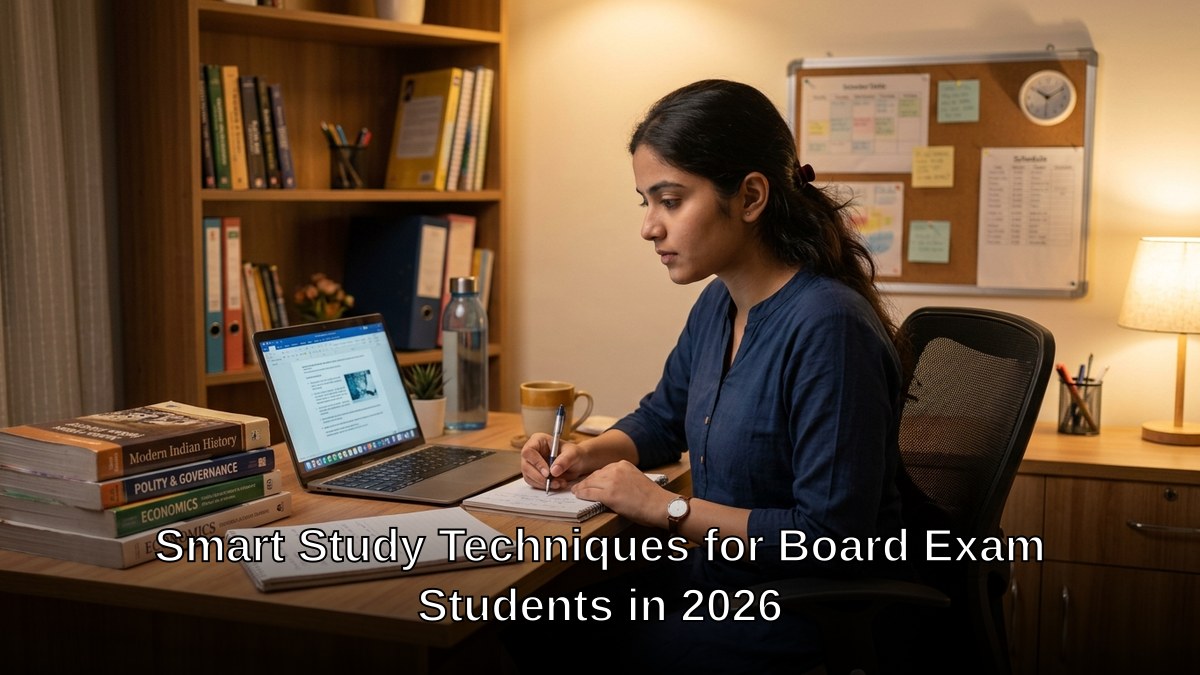
Stop Passive Reading. Start Active Recall.
Most people don’t realise that reading your textbook three times does almost nothing. Your brain forgets 70% of what it reads within 24 hours. This is the forgetting curve.
Active recall flips this. Instead of reading, you test yourself. You close the book and answer questions from memory. You explain concepts aloud to someone else. You create flashcards and review them daily.
Here’s what smart board exam study techniques look like in practice:
- Read a chapter once. Carefully. Not twice, not three times.
- Wait 24 hours.
- Without looking, write down everything you remember.
- Check what you missed. Study only those gaps.
- Repeat after 3 days, then 1 week, then 2 weeks.
This spacing and repetition is how memory works. Boards test what sticks. Active recall makes it stick.
For tuition teachers and edupreneurs running learning centres, this means your teaching model must shift. Stop lecturing. Start questioning. Make students retrieve knowledge from their own minds. That’s when real learning happens.
Use Technology as Your Study Partner, Not Your Distraction
Lets be honest: most students use their laptops and phones to procrastinate, not to learn. YouTube, Instagram, gaming. The notifications never stop.
But technology, when used right, transforms board exam study techniques. You can access best free AI tools for students to generate practice questions. You can watch concept videos when textbooks confuse you. You can track your progress with apps. You can join online study groups with peers across India.
The problem? Most students don’t have reliable access to good technology. They study on old phones with 2G data. Or they don’t study at all because they lack devices.
This is where APNA PC changes everything. Rs.30,000 complete bundle gives you a proper computer. Mini PC i3 7th Gen, 8GB RAM, 128GB SSD, monitor, keyboard, mouse, webcam, headset. Plus 3-year warranty and installation. Everything a student needs to access digital skills for board exam prep.
For parents and edupreneurs, this is an investment that pays back in marks, not just today but for life. A student who learns on a proper computer develops digital literacy that boards now demand.
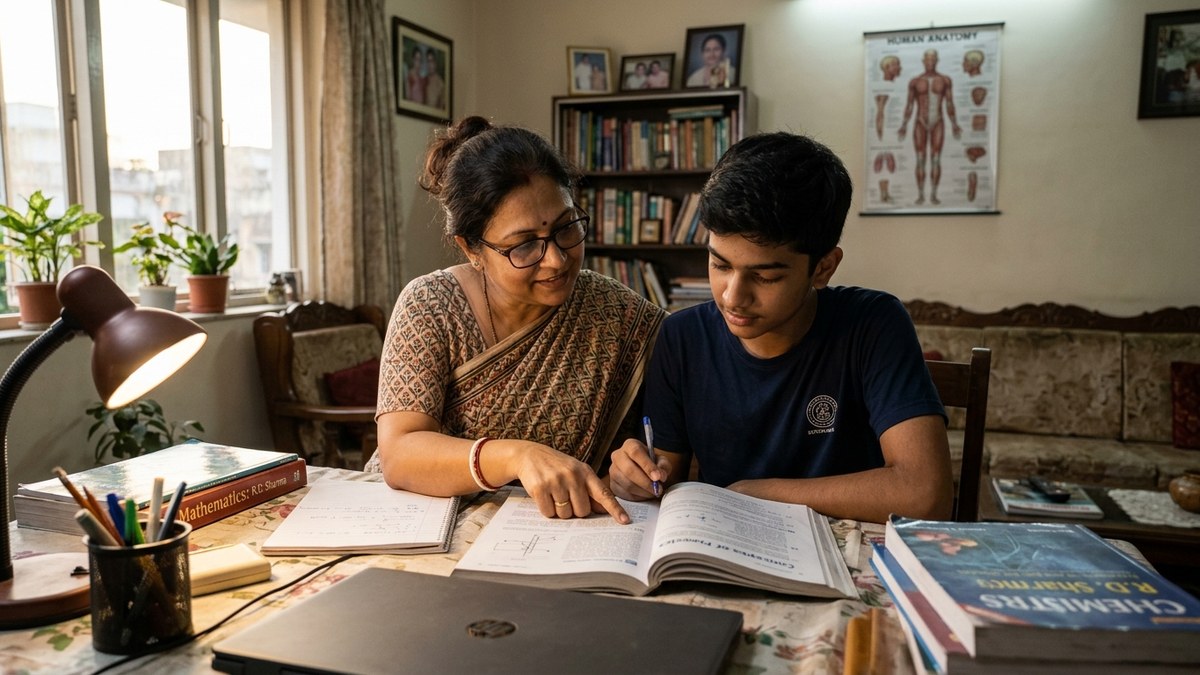
Set up a Point of Digital Learning centre with APNA PC. Train 20-30 students at once. They get smart study techniques plus technology access. You create income. Students get results.
Study in Blocks. Not in Marathon Sessions.
Most people don’t realise that studying for 6 hours straight destroys focus by hour 2. Your brain gets tired. Concentration drops. You’re reading words but learning nothing.
Smart board exam study techniques use the Pomodoro method. Study for 25 minutes. Break for 5 minutes. After 4 blocks, take a 15-minute break. This keeps your brain fresh and focused.
Why does this work? Because your brain has limited attention. When you respect that limit, you learn faster and retain more. You study 2 hours smartly instead of 6 hours dumbly.
Track what you study in each block. Which subjects? Which topics? How many questions did you solve? This data tells you where you’re weak. Focus your next block there.
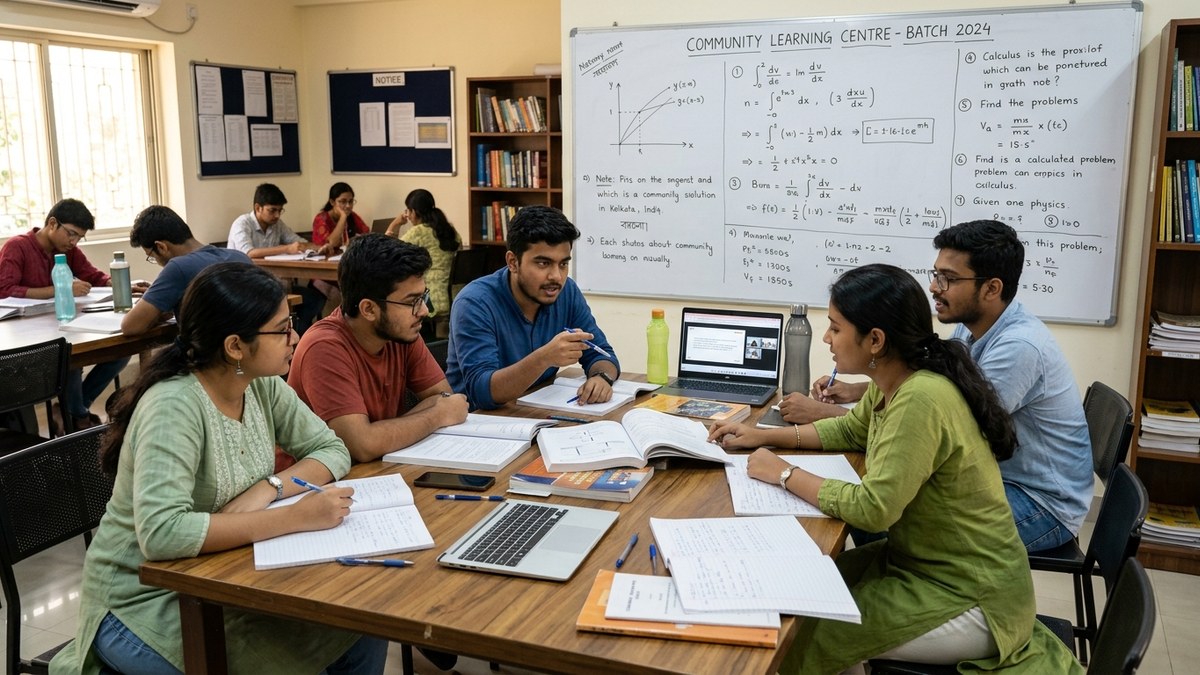
Create a Study System. Not Just a Study Schedule.
Here is the truth: a study schedule fails because life happens. Your child gets sick. Your tuition class cancels. You lose motivation on day 5.
A study system survives chaos. It’s a repeatable process. Every day, you do the same things in the same way. You don’t rely on motivation. You rely on habit.
Your system should include:
- Fixed study time (same hour every day)
- Fixed study location (same desk, same chair)
- Fixed study tools (same notebook, same pen)
- Fixed review routine (same day each week)
This removes decisions. Your brain knows: at 6 PM, I sit at my desk and study. No negotiation. No motivation needed. Just habit.
For edupreneurs running learning centres, build this system for your students. Assign seats. Set fixed class times. Use the same teaching method every day. Consistency beats intensity.
Connect Concepts. Don’t Memorise Isolated Facts.
Lets be honest: board exams are not about remembering facts. They’re about understanding how facts connect. How does photosynthesis connect to climate change? How does the French Revolution connect to Indian independence?
Smart board exam study techniques create mind maps. You put one big idea in the centre. You draw lines to related ideas. You show how everything connects. Your brain remembers the web, not isolated dots.
This is especially true for subjects like history, geography, and social science. But it works for science and maths too. Every formula connects to a concept. Every theorem connects to a principle.
When you see these connections, two things happen. First, you remember more because your brain loves patterns. Second, you can answer new questions because you understand the logic, not just the facts.
Practice Under Exam Conditions
Simulate real exam environments during your practice sessions. Time yourself. Minimize distractions. Follow the exact exam format. This builds confidence and helps you manage time effectively on the actual exam day.
After each practice test, analyze your performance. Identify weak areas and adjust your study plan accordingly. Continuous improvement is the key to consistent progress in board exams.
Ready to give your students the best shot at board exam success? Set up a Point of Digital Learning with APNA PC, the complete learning bundle at Rs.30,000. Proper technology plus smart study techniques equals results that speak for themselves.